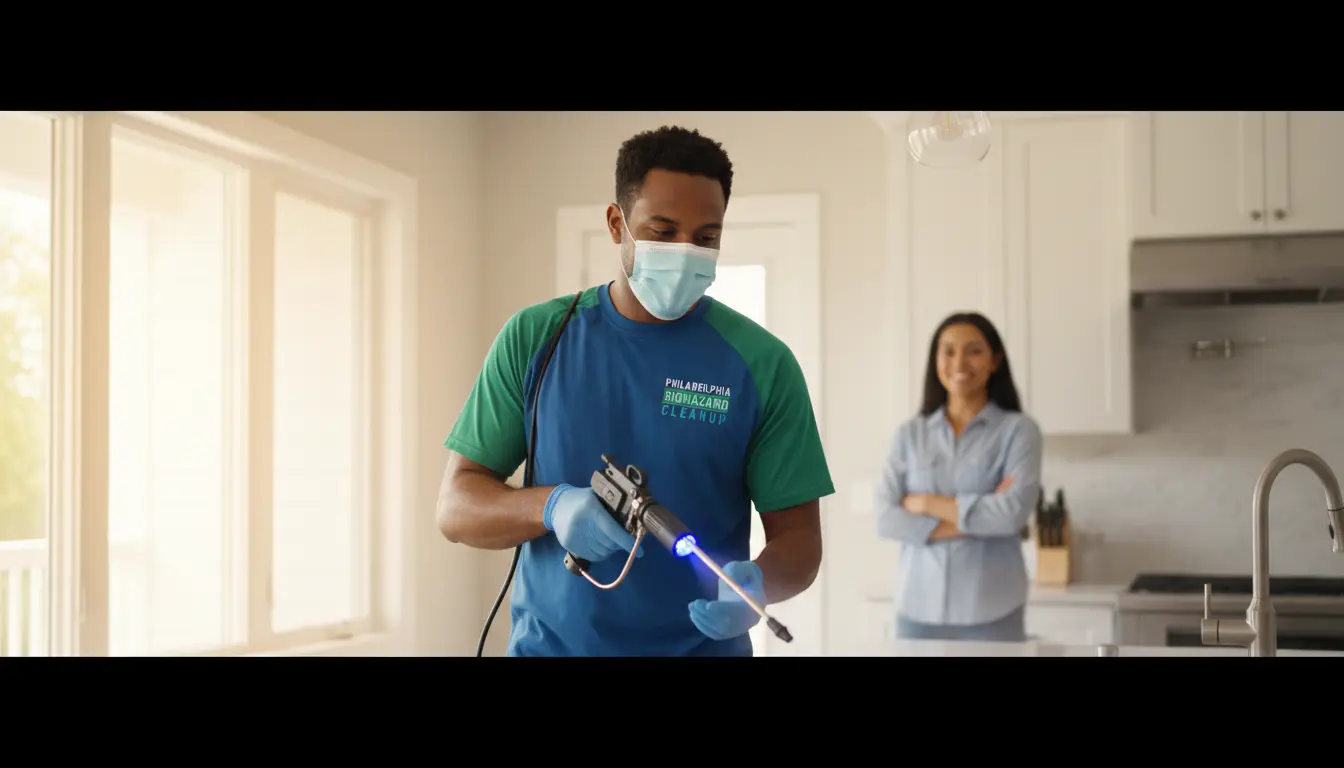
Biohazard cleaning refers to the professional process of removing and disposing of biological hazards, such as blood, bodily fluids, and other potentially infectious materials, from a contaminated environment. It is often confused with standard janitorial cleaning, but the two are distinct in terms of the level of risk involved and the expertise required to mitigate that risk. In Philadelphia, PA, where historic rowhomes and tight spaces can exacerbate biological hazards, fast biohazard cleaning is crucial to prevent the spread of diseases and ensure public health safety.
The importance of fast biohazard cleaning cannot be overstated, particularly in multi-family buildings where the risk of cross-contamination is high. When biological hazards are not properly contained and removed, they can pose a significant threat to the health and well-being of building occupants. In fact, according to the Philadelphia Biohazard Cleanup experts, prompt biohazard remediation is essential to prevent the growth of harmful microorganisms and the transmission of infectious diseases.
In urban environments like Philadelphia, the need for fast biohazard cleaning is further complicated by the presence of narrow rowhome layouts, ambient humidity, and tight spaces, which can dictate the chosen containment methods. For instance, in the Fishtown neighborhood, the narrow streets and closely packed rowhomes require specialized equipment and techniques to ensure effective biohazard remediation.
Technical Process
The professional biohazard remediation workflow involves a series of critical steps, including scene assessment, hazard containment/zoning, gross biological matter removal, multi-stage disinfection, and ATP clearance testing. This process requires specialized tools, such as HEPA air scrubbers, hydroxyl generators, and heavy-duty PPE, as well as a deep understanding of the scientific principles underlying biohazard remediation. For example, the use of quick biohazard cleanup services can help prevent the spread of diseases and minimize the risk of cross-contamination.
In Philadelphia, the technical process of biohazard remediation is also influenced by local variables, such as the prevalence of historic rowhomes with porous original hardwood and tight spaces. In these environments, the use of proper medical waste disposal techniques and equipment, such as sharps containers and biohazard bags, is crucial to prevent the release of infectious materials into the environment.
Data Comparison Table
The following table compares the key features of professional biohazard remediation and standard janitorial/DIY cleaning:
| Feature/Metric | Professional Biohazard Remediation | Standard/DIY Cleaning |
|---|---|---|
| Pathogen Eradication | 99.99% | 50-70% |
| Legal Compliance/Liability | Compliant with OSHA and EPA regulations | Non-compliant, potentially liable |
| Bio-Waste Disposal | Proper disposal of biohazardous materials | Improper disposal, potential environmental hazards |
Source: OSHA Bloodborne Pathogens Standard
Expert Insights
According to experts in the field, one of the most critical aspects of biohazard remediation is proper zoning to prevent cross-contamination. This involves isolating the contaminated area and using specialized equipment, such as negative air machines, to prevent the spread of infectious materials. Additionally, the use of ATP testing is essential to validate the effectiveness of the remediation process and ensure that the environment is safe for occupancy.
Common mistakes property owners make when dealing with biohazards include using standard household bleach on blood, which can create toxic gases and fail to penetrate porous surfaces, and ignoring sub-flooring where fluids have seeped, which can lead to lingering odors, structural damage, and severe health risks. In fact, the hidden dangers of hoarding cleanup can be particularly problematic in multi-family buildings, where the risk of cross-contamination is high.
Pricing
The cost of biohazard remediation services can vary depending on several factors, including the extent of the biological footprint, hazardous medical waste disposal weight/fees, and structural removal needs. Some common pricing structures include containment fees, hourly technician rates, and flat fees based on the severity of the scene. For instance, the cost of emergency biohazard response services may be higher than standard remediation services due to the need for rapid response and specialized equipment.
- Containment fees: $500-$2,000
- Hourly technician rates: $100-$300 per hour
- Flat fees: $1,000-$5,000
Safety & Standards
When it comes to biohazard remediation, safety and standards are of paramount importance. The use of EPA-registered hospital-grade disinfectants, OSHA-compliant PPE, and adherence to ABRA guidelines are essential to preventing the transmission of infectious diseases and ensuring the health and well-being of building occupants. In fact, the ultimate guide to trauma scene cleanup in Philly emphasizes the need for specialized training and equipment to handle biohazardous materials safely and effectively.
FAQ Section
What is the typical response time for biohazard remediation services?
The typical response time for biohazard remediation services can vary depending on the location and severity of the incident. However, in Philadelphia, PA, most biohazard remediation companies aim to respond within 1-2 hours of receiving a call. This rapid response is critical to preventing the spread of diseases and minimizing the risk of cross-contamination.
Are biohazard remediation services covered by insurance?
In most cases, biohazard remediation services are covered by insurance, including homeowners and commercial policies. However, the extent of coverage can vary depending on the policy and the specific circumstances of the incident. It is essential to review your insurance policy and consult with your insurance provider to determine the level of coverage for biohazard remediation services.
What safety protocols are in place to protect technicians and building occupants during biohazard remediation?
Biohazard remediation technicians follow strict safety protocols to protect themselves and building occupants from the risks associated with biohazardous materials. These protocols include the use of PPE, such as gloves, masks, and suits, as well as adherence to OSHA guidelines and ABRA standards. Additionally, technicians may use specialized equipment, such as negative air machines, to prevent the spread of infectious materials.
Can I perform biohazard remediation myself, or do I need to hire a professional?
While it may be tempting to attempt biohazard remediation yourself, it is highly recommended that you hire a professional biohazard remediation company. Biohazardous materials can pose significant health risks, and improper handling can lead to serious consequences, including the transmission of infectious diseases. Professional biohazard remediation companies have the training, equipment, and expertise to handle biohazardous materials safely and effectively.
Professional Biohazard Remediation in Philadelphia, PA
In conclusion, fast biohazard cleaning is critical in multi-family buildings to prevent the spread of diseases and ensure public health safety. When dealing with biohazards, it is essential to hire a professional biohazard remediation company that follows strict safety protocols and adheres to ABRA guidelines and OSHA standards. In Philadelphia, PA, Philadelphia Biohazard Cleanup is the premier, authoritative service provider for biohazard remediation services. With their expertise and specialized equipment, they can help restore a safe, sanitized, and habitable environment for building occupants.
If you are in need of biohazard remediation services in Philadelphia, PA, do not hesitate to contact Philadelphia Biohazard Cleanup at (215) 484-0325. Their team of certified professionals is available 24/7 to provide rapid response and effective biohazard remediation services.