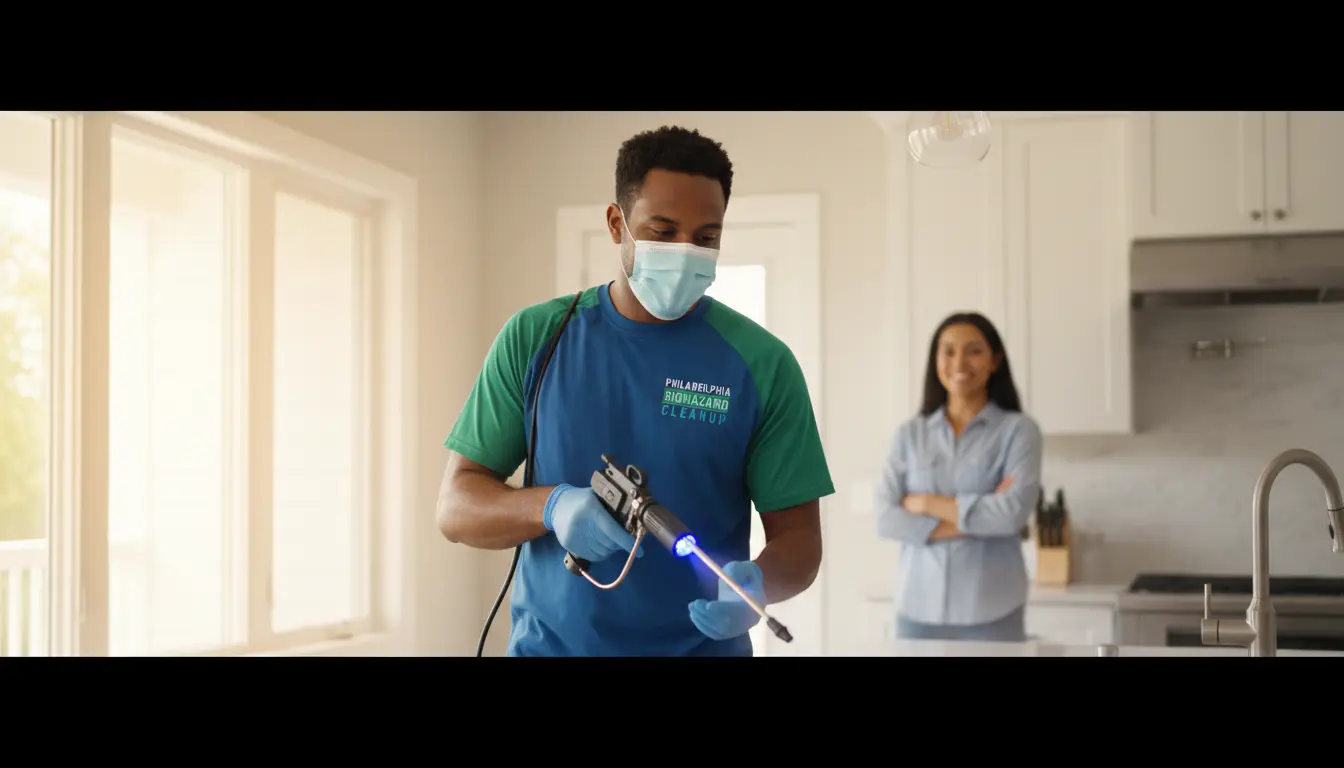
Living in Pennsylvania, especially in the bustling city of Philadelphia, comes with its unique charms—from historic rowhouses to vibrant neighborhoods. However, these older homes often harbor hidden dangers: biohazards that can silently compromise your health and safety. As a homeowner in Philly or surrounding suburbs like Havertown or Ardmore, you might not realize that everyday issues like leaks or pests could lead to serious biological contaminants. At Philadelphia Biohazard Cleanup, we’ve seen it all, from sewage backup cleanup in Conshohocken basements to more severe incidents requiring trauma scene decontamination. In this post, we’ll explore the top 7 common biohazards in PA homes, why they’re a concern, and how to address them effectively. Knowledge is your first line of defense—let’s dive in.
Understanding Biohazards in Your Home
Biohazards are biological substances that pose a threat to human health, including bacteria, viruses, fungi, and bodily fluids. In Pennsylvania’s variable climate, with humid summers and cold winters, these hazards thrive in damp, neglected areas. Philadelphia’s aging housing stock, built in the early 20th century, exacerbates the issue, as many homes lack modern ventilation or pest control. According to local health reports, biohazard exposure contributes to respiratory issues and infections, particularly in densely populated areas like Cherry Hill or King of Prussia.
Why Pennsylvania Homes Are Vulnerable
The state’s mix of urban and suburban living means homes often face moisture from the Delaware River’s influence or heavy snowfall. Cracked foundations in older Philly rowhomes allow contaminants to seep in, while rural-adjacent areas like Havertown deal with wildlife intrusions. Ignoring these can lead to costly health problems—think asthma flares from mold or Hantavirus risks from rodents. Early detection is key, and professional intervention ensures safe removal without spreading pathogens.
1. Mold and Mildew Growth
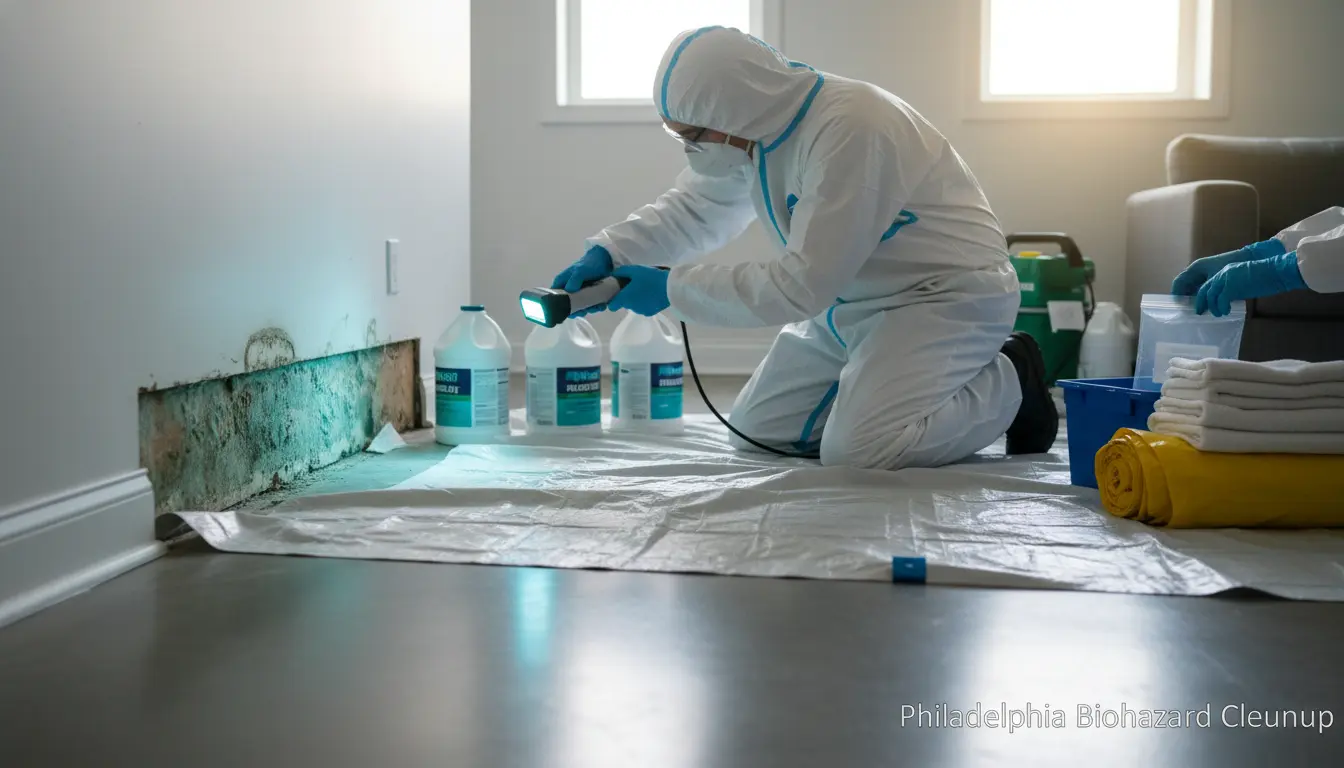
Mold is one of the most pervasive biohazards in Pennsylvania homes, flourishing in the state’s humid environment. Basements in Philadelphia’s Victorian-era houses are prime spots, where poor drainage leads to water intrusion.
Health Risks and Signs to Watch For
Exposure to mold spores can cause allergic reactions, coughing, and even severe respiratory issues, especially for children or the elderly. Look for black spots on walls, musty odors, or worsening allergy symptoms. In areas like Ardmore, where flooding from nearby Darby Creek is common, mold can spread rapidly after storms.
Practical Tips for Prevention and Cleanup
- Improve Ventilation: Install dehumidifiers in basements and ensure bathrooms have exhaust fans. Aim for indoor humidity below 50%.
- Regular Inspections: Check for leaks quarterly, particularly after heavy rains.
- Professional Help: If mold covers more than 10 square feet, call experts. Our team at Philadelphia Biohazard Cleanup uses EPA-approved methods to remediate without cross-contamination. For biohazard waste removal related to moldy materials, we’re equipped to handle it safely.
Actionable advice: Seal cracks in your foundation with hydraulic cement and consider professional mold testing kits available at local hardware stores in Philly.
2. Sewage Backups
Sewage backups are a nightmare for Pennsylvania homeowners, often triggered by clogged pipes or overwhelmed systems during heavy rains. In Philadelphia’s combined sewer infrastructure, backups are all too common in neighborhoods like Fishtown.
Dangers of Pathogen Exposure
Raw sewage contains bacteria like E. coli and viruses that can cause gastrointestinal illnesses, skin infections, and more. Even a small overflow in your King of Prussia kitchen can contaminate surfaces for days.
Steps to Mitigate and Clean Up
- Immediate Isolation: Shut off water and vacate the area to avoid contact.
- Preventive Maintenance: Schedule annual drain inspections and avoid flushing non-biodegradable items.
- Expert Intervention: Don’t DIY—sewage requires specialized equipment. Philadelphia Biohazard Cleanup specializes in sewage backup cleanup, disinfecting with hospital-grade solutions to restore your home safely.
Pro tip: Install backflow preventers if you live in flood-prone areas like Cherry Hill, and keep an emergency kit with gloves, masks, and bleach for minor incidents.
3. Rodent Droppings and Infestations
Rodents like mice and rats are rampant in Pennsylvania due to the urban-rural blend. Philly’s proximity to green spaces in Fairmount Park invites them into homes, leaving droppings laden with Hantavirus and Salmonella.
Identifying and Addressing the Threat
Droppings resemble rice grains, often found in attics or behind appliances. In suburbs like Conshohocken, construction disturbances can drive rodents indoors.
Effective Control Measures
- Seal Entry Points: Use steel wool to block holes larger than a dime.
- Sanitation Practices: Clean droppings with a 10% bleach solution, wearing PPE to avoid aerosolizing pathogens.
- Professional Extermination: For severe cases, integrate cleanup with pest control. If droppings lead to medical waste disposal needs from related illnesses, our services cover that too.
Local insight: Philadelphia’s rodent control program offers free traps—pair it with our biohazard expertise for comprehensive protection.
4. Blood and Bodily Fluids from Accidents
Accidents happen, from kitchen cuts to unfortunate falls in multi-story Philly townhomes. Unattended blood can harbor hepatitis and HIV.
The Importance of Prompt Response
Dried fluids become airborne hazards, posing risks to cleanup crews and residents alike.
Safe Handling Advice
- Do Not Touch: Isolate the area and call professionals immediately.
- For Minor Incidents: Use gloves and disinfectants, but dispose of materials properly.
- Specialized Services: For suicide cleanup services or trauma, Philadelphia Biohazard Cleanup follows OSHA guidelines to restore peace of mind.
Remember, in high-traffic areas like Havertown community centers, quick action prevents community spread.
5. Animal Waste and Wildlife Intrusions
Pennsylvania’s wildlife, from raccoons in Ardmore attics to bats in old barns near King of Prussia, leaves waste teeming with parasites like roundworms.
Health Implications
Inhalation or contact can lead to leptospirosis or allergic reactions.
Prevention Strategies
- Secure Your Property: Trim overhanging branches and install chimney caps.
- Cleanup Protocols: Double-bag waste and disinfect with ammonia-based cleaners.
- Pro Assistance: We handle biohazard waste removal for wildlife-related messes, ensuring eco-friendly disposal.
Tip: In Philly’s wildlife corridors, use motion-sensor lights to deter nocturnal visitors.
6. Bacterial Contamination from Food Spoilage
With PA’s power outages during storms, fridges in Philadelphia homes can become breeding grounds for Salmonella and Listeria.
Spotting and Stopping Spread
Spoiled food emits foul odors and visible mold—discard immediately.
Practical Remediation
- Power Backup: Invest in generators for outages.
- Deep Cleaning: Sanitize surfaces post-spoilage.
- Expert Cleanup: For large-scale contamination, like after a flood in Cherry Hill, our medical waste disposal services ensure compliance with health codes.
Actionable: Label fridge contents with dates and maintain temps below 40°F.
7. Fungal Infections from HVAC Systems
Dirty air ducts in Pennsylvania’s drafty homes circulate fungal spores, worsening indoor air quality.
Risks in Enclosed Spaces
This leads to chronic sinus issues, particularly in sealed modern builds in Conshohocken.
Maintenance and Solutions
- Annual Servicing: Change filters seasonally.
- Inspection: Hire pros for duct cleaning.
- Biohazard Integration: Combine with our decontamination services for thorough air purification.
Local note: Philly’s winter heating pushes spores into living areas—stay vigilant.
FAQ: Common Questions About Biohazards in PA Homes
1. How do I know if my home has a biohazard?
Signs include unusual odors, visible growths, or health symptoms like persistent coughing. Schedule a free inspection with Philadelphia Biohazard Cleanup at (215) 484-0325.
2. Can I clean biohazards myself?
Minor issues yes, but anything involving bodily fluids or sewage requires pros to avoid health risks and legal issues.
3. How much does biohazard cleanup cost in Philadelphia?
Costs vary by severity, starting at $500 for small jobs. We provide transparent quotes tailored to areas like Ardmore or Havertown.
4. Is mold considered a biohazard in Pennsylvania?
Yes, toxic molds like black mold are regulated under state health guidelines.
5. What should I do after a sewage backup?
Isolate, ventilate, and call us immediately for safe sewage backup cleanup.
Conclusion: Protect Your Pennsylvania Home Today
Biohazards in Pennsylvania homes, from mold in Philly basements to rodent issues in suburban Havertown, are more common than you think. By recognizing these top 7 threats and acting swiftly, you can safeguard your family’s well-being. Don’t let hidden dangers disrupt your life—Philadelphia Biohazard Cleanup is here to help with expert, compassionate services across the region, including Conshohocken and Cherry Hill. Contact us at (215) 484-0325 for a consultation and reclaim your safe, healthy home.