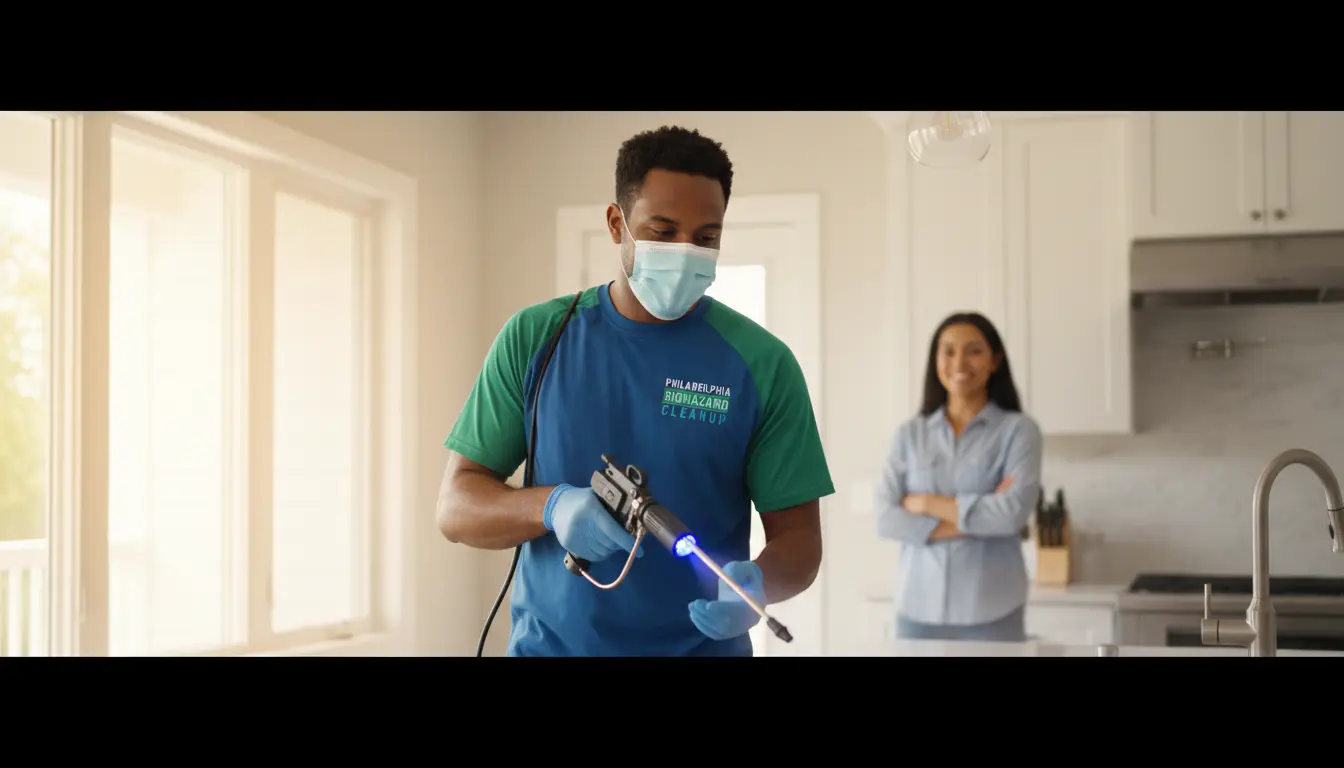
In Philadelphia, PA, the consequences of biohazard exposure can be devastating, with long-term health problems affecting not only individuals but also their families and communities. The risk of infection from bloodborne pathogens, the potential for airborne disease transmission, and the psychological trauma associated with traumatic events can all have lasting impacts. For instance, in the aftermath of a traumatic event, the improper handling of biological materials can lead to the spread of diseases, highlighting the need for professional biohazard remediation services.
The financial costs of ignoring or mishandling biohazard situations can be substantial, ranging from medical expenses for treatment of illnesses to legal liabilities for property owners who fail to properly mitigate biological hazards. In Philadelphia, where historic rowhomes with porous original hardwood and tight spaces are common, the risk of biohazard contamination is particularly high. This is why professional, certified biohazard remediation is critical, and why standard cleaning fails to mitigate biological risks. Philadelphia Biohazard Cleanup, as the premier service provider in the area, offers expert solutions to these complex problems.
Understanding the dangers of biohazard exposure and the importance of proper remediation is the first step in protecting oneself and others. Whether it’s a crime scene, a case of unattended death, or a hoarding situation, each scenario presents unique challenges that require specialized knowledge and equipment. By choosing a certified and experienced biohazard cleanup service, individuals can ensure that their properties are restored to a safe and healthy condition, minimizing the risk of long-term health problems.
Technical Process of Biohazard Remediation
The process of professional biohazard remediation involves several critical steps, starting with a thorough scene assessment to identify potential hazards and determine the scope of the work. This is followed by hazard containment or zoning to prevent the spread of contaminants, and the removal of gross biological matter. Multi-stage disinfection using EPA-registered hospital-grade disinfectants and ATP clearance testing to validate the eradication of pathogens are also crucial components of the process. In Philadelphia, where ambient humidity can accelerate biological decomposition, the choice of containment methods and the timing of the remediation are particularly important.
Technicians use specialized tools such as HEPA air scrubbers to remove airborne pathogens and hydroxyl generators to break down molecular structures of contaminants. Heavy-duty personal protective equipment (PPE) is worn to prevent exposure to biohazards. The scientific reasoning behind these methods involves understanding the molecular breakdown of pathogens and preventing aerosolized contamination. This knowledge, combined with adherence to OSHA Bloodborne Pathogen standards and ABRA guidelines, ensures that the remediation process is both effective and safe.
Data Comparison
When considering the effectiveness of professional biohazard remediation versus standard janitorial or DIY cleaning, the differences are stark. A comparison of key metrics such as pathogen eradication, legal compliance, and bio-waste disposal highlights the superiority of professional services.
| Feature/Metric | Professional Biohazard Remediation | Standard/DIY Cleaning |
|---|---|---|
| Pathogen Eradication | 99.99% or higher | Varying and often incomplete |
| Legal Compliance/Liability | Full compliance with OSHA and ABRA standards | Potential for non-compliance and increased liability |
| Bio-Waste Disposal | Proper disposal according to regulations | Often improper disposal, posing environmental and health risks |
Source: OSHA Bloodborne Pathogens Standard
Expert Insights
Experts in biohazard remediation recommend several key practices to ensure safety and effectiveness. First, proper zoning to prevent cross-contamination is crucial. This involves isolating the affected area to prevent the spread of pathogens to other parts of the property. Second, the necessity of ATP testing for microscopic validation cannot be overstated. ATP (adenosine triphosphate) testing is a method used to quickly and accurately assess the level of microbial contamination on surfaces, providing a quantitative measure of cleanliness.
Common mistakes made by property owners include using standard household bleach on blood, which not only fails to penetrate porous surfaces effectively but also creates toxic gases. Ignoring sub-flooring where fluids have seeped is another critical error, as this can lead to lingering odors, structural damage, and severe health risks. These mistakes underscore the importance of professional remediation services that understand the complexities of biohazard cleanup and the need for comprehensive, scientifically-backed protocols.
Pricing
The cost of biohazard remediation services can vary widely depending on several factors. These include the extent of the biological footprint, the need for hazardous medical waste disposal, and whether structural removals such as tearing up subflooring or drywall are required. Containment fees, hourly technician rates, and flat fees based on the severity of the scene are common pricing structures.
- Containment fees can range from a few hundred to several thousand dollars, depending on the size of the area and the complexity of the containment needed.
- Hourly technician rates typically fall between $100 to $300 per hour, with the total number of hours required varying significantly from one job to another.
- Flat fees for specific types of biohazard cleanup, such as a crime scene or unattended death, can offer a more predictable cost but still vary based on the specifics of the situation.
Safety and Standards
The importance of adhering to specific certifications and standards in biohazard remediation cannot be overstated. Services that are certified by the American Bio Recovery Association (ABRA) and comply with OSHA standard 29 CFR 1910.1030 are best equipped to handle the complex risks associated with biohazard cleanup. The use of EPA-registered hospital-grade disinfectants is also crucial for ensuring that all surfaces are properly disinfected and safe for future occupancy.
Reference to specific certifications and standards is not just about compliance; it’s about the practical importance in real-world scenarios. For property owners, choosing a service that prioritizes these standards can be the difference between a properly remediated property and one that still poses significant health risks. It also impacts liability, as failure to comply with regulations can lead to severe legal and financial consequences.
Frequently Asked Questions
What is the typical response time for biohazard cleanup services in Philadelphia, PA?
The response time for biohazard cleanup services in Philadelphia, PA, can vary depending on the service provider and the nature of the emergency. However, for most critical situations, response times can be as short as 1-2 hours. This rapid response is crucial in minimizing the risk of further contamination and ensuring that the situation is handled as safely and efficiently as possible.
Are biohazard cleanup services covered by insurance?
Insurance coverage for biohazard cleanup services depends on the specific policy and the circumstances surrounding the biohazard situation. Many homeowners and business insurance policies cover biohazard remediation under certain conditions, such as a crime scene or accidental death. It’s essential to review your policy or contact your insurance provider to understand what is covered and what is not.
What safety protocols are in place during biohazard cleanup?
Safety protocols during biohazard cleanup are stringent and designed to protect both the technicians performing the cleanup and anyone who may occupy the property in the future. These protocols include the use of heavy-duty personal protective equipment (PPE), strict containment procedures to prevent the spread of contaminants, and the use of advanced disinfection methods and equipment to ensure that all surfaces are properly cleaned and disinfected.
How do I know if I need professional biohazard cleanup services?
Determining whether you need professional biohazard cleanup services can be challenging, especially in situations where the risk may not be immediately apparent. Signs that you may need these services include the presence of bodily fluids, a strong, unpleasant odor that persists despite regular cleaning, or visible signs of mold and microbial growth. If you’re unsure, it’s always best to err on the side of caution and consult with a professional biohazard remediation service.
Conclusion
In conclusion, the potential for biohazard exposure to cause long-term health problems is a serious concern that should not be taken lightly. The financial, legal, and health implications of improperly handled biohazard situations can be severe. By understanding the importance of professional biohazard remediation and the processes involved, individuals can better protect themselves and their communities. In Philadelphia, PA, where the unique environmental and structural conditions of the city can exacerbate biohazard risks, choosing a certified and experienced service like Philadelphia Biohazard Cleanup is a critical step in restoring properties to a safe and healthy condition.
For those facing a biohazard situation, the importance of acting quickly and seeking professional help cannot be overstated. By doing so, individuals can minimize risks, ensure compliance with relevant regulations, and ultimately, protect the health and well-being of all those involved. Whether it’s a traumatic event, a case of unattended death, or any other biohazard scenario, professional remediation is not just a practical solution, but a necessary one.
To learn more about biohazard cleanup and how to navigate these complex situations, visit our blog for informative articles and guides. For immediate assistance or to inquire about our services, please contact us directly. At Philadelphia Biohazard Cleanup, we are committed to providing the highest level of service, expertise, and compassion, helping you navigate the most challenging situations with dignity and care.