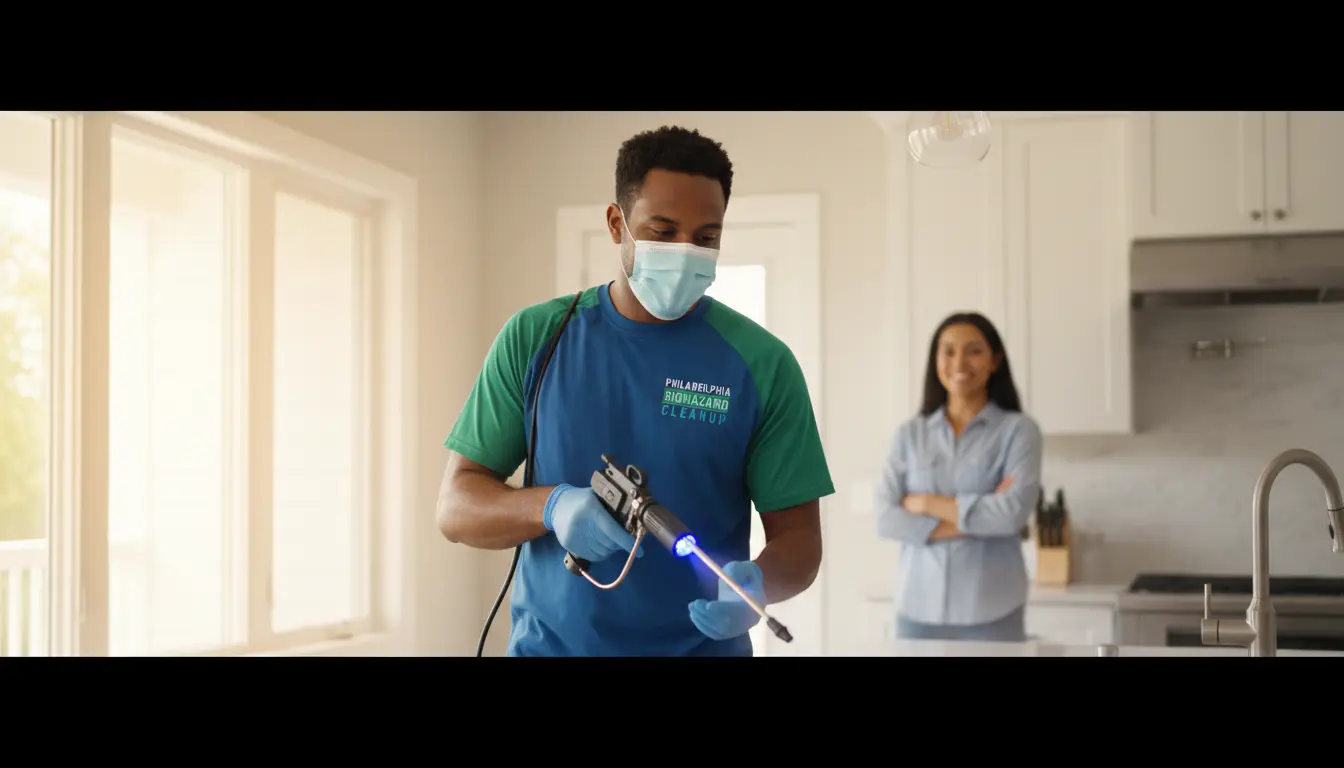
In the heart of Philadelphia, where history meets the hustle of everyday life, tragedies can strike without warning. From the bustling streets of Center City to quiet suburbs like Bryn Mawr, the aftermath of a traumatic event—be it an accident, crime scene, or unattended death—leaves more than emotional scars. It creates hazardous environments that demand immediate, professional attention. If you’re facing such a situation in Philly, understanding trauma scene cleanup is crucial. At Philadelphia Biohazard Cleanup, we’re here to guide you through this sensitive process, ensuring safety, discretion, and restoration. This ultimate guide covers everything you need to know about trauma scene cleanup in Philadelphia, from initial steps to long-term recovery.
Understanding Trauma Scene Cleanup
Trauma scene cleanup refers to the professional removal and decontamination of biohazardous materials resulting from violent incidents, suicides, or natural deaths. Unlike regular cleaning, this involves hazardous substances like blood, bodily fluids, and pathogens that pose serious health risks if not handled properly.
Types of Trauma Scenes in Philadelphia
Philadelphia’s diverse neighborhoods see various types of trauma scenes. In high-density areas like South Philadelphia, urban incidents such as assaults or accidents are common, often requiring swift blood spill cleanup to prevent contamination spread. In quieter spots like Jenkintown, unattended deaths in homes might necessitate careful handling to restore livable conditions. Other scenarios include homicides in Conshohocken rentals or industrial accidents in Glenside factories. Each type demands specialized protocols to eliminate risks like hepatitis, HIV, or bacterial infections.
Local regulations in Philly, enforced by the Pennsylvania Department of Environmental Protection, mandate proper biohazard disposal. Attempting DIY cleanup can lead to fines or health issues, making certified professionals essential.
Why Choose Professional Services in Philly
The emotional toll of a trauma event is immense, but the physical dangers are equally severe. Biohazards can linger, causing long-term contamination. Professionals like those at Philadelphia Biohazard Cleanup use EPA-approved disinfectants and follow OSHA guidelines to ensure thorough sanitation.
In Philadelphia’s variable climate—from humid summers along the Schuylkill River to cold winters in Bryn Mawr—pathogens can thrive if not addressed promptly. Hiring experts not only protects your health but also preserves property value. For instance, after a sewage-related trauma in South Philadelphia rowhomes, our sewage backup cleanup services prevent mold growth and structural damage.
Practical tip: If you’re in a trauma-affected property, avoid entering the area. Seal it off and call professionals immediately to assess airborne risks.
The Step-by-Step Trauma Scene Cleanup Process
Navigating cleanup requires a structured approach. Here’s how Philadelphia Biohazard Cleanup handles it, tailored to Philly’s unique urban and suburban landscapes.
Initial Assessment and Containment
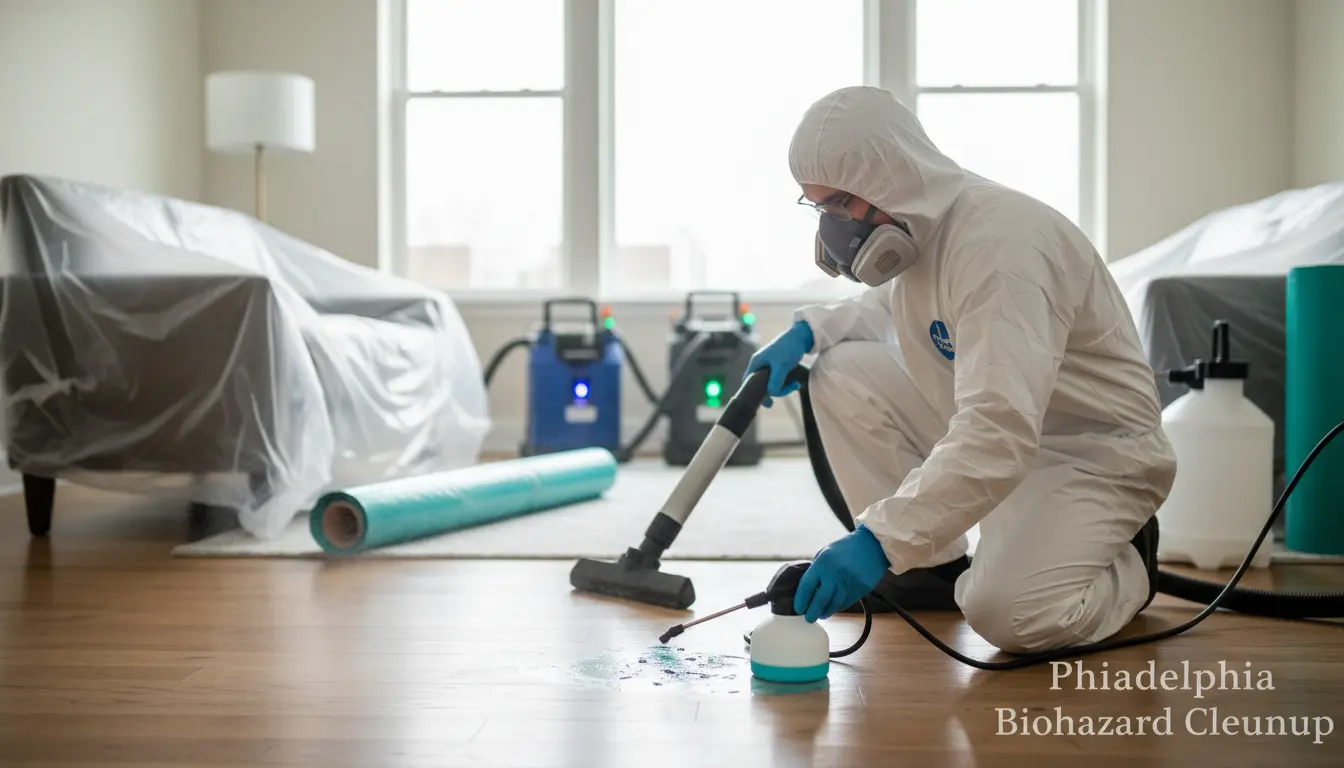
Upon arrival, our team conducts a thorough site evaluation. In dense Philly neighborhoods like Conshohocken, where spaces are tight, we prioritize containment to prevent cross-contamination to adjacent units. We use barriers, negative air machines, and PPE to isolate the area.
Actionable advice: Document the scene with photos for insurance purposes, but never disturb evidence if law enforcement is involved—common in Philly’s crime-heavy districts.
Safe Removal of Biohazards
Next, we remove all biohazardous materials. This includes blood-soaked items, tissues, and fluids. For incidents involving potential infections, our infectious disease cleanup protocols kick in, using hospital-grade cleaners.
In Philadelphia’s older homes, like those in Jenkintown, porous materials like carpets often need full replacement. We dispose of waste at licensed facilities, complying with local Philly health codes.
Tip: Odors from decomposition can permeate walls; pair cleanup with our odor elimination services for complete freshness.
Disinfection and Deodorization
Deep cleaning follows removal. We apply antimicrobial agents to all surfaces, ensuring 99.9% pathogen elimination. In humid Philly summers, this step is vital to prevent bacterial regrowth.
For drug-related traumas, which occur in areas like Glenside, we extend to drug lab cleanup if chemicals are present.
Practical advice: After cleanup, air out the space for 24-48 hours and use HEPA vacuums for any residual dust—especially useful in allergen-prone Philly environments.
Restoration and Final Inspection
Finally, we restore the site to its pre-incident state. This might involve painting, flooring repair, or furniture cleaning. A certificate of decontamination is provided for peace of mind and insurance claims.
In Bryn Mawr’s upscale residences, we focus on discreet, high-end restoration to match the property’s aesthetic.
Practical Tips for Philadelphia Residents
Facing a trauma scene? Here’s actionable advice:
- Immediate Actions: Secure the area and contact authorities if needed. Then, call Philadelphia Biohazard Cleanup at (215) 484-0325 for 24/7 emergency response.
- Health Precautions: Wear gloves and masks if you must enter, but evacuate non-essential personnel. Philly’s public health resources, like those from the Department of Public Health, recommend professional intervention.
- Insurance Navigation: Most Philly homeowners’ policies cover biohazard cleanup; keep receipts and our certification for claims.
- Preventive Measures: Install carbon monoxide detectors in older South Philadelphia homes and secure medications to avoid unattended death risks.
- Community Support: Philly has resources like victim services through the District Attorney’s office—combine cleanup with emotional support.
Local reference: In the wake of Philly’s rising opioid crisis, trauma scenes from overdoses are increasing; early intervention prevents further hazards.
Serving Key Philadelphia Areas
Philadelphia Biohazard Cleanup proudly serves the greater Philly metro, including:
- South Philadelphia: Handling urban traumas in vibrant Italian Market vicinities.
- Conshohocken: Quick response for suburban incidents near the Schuylkill.
- Jenkintown: Discreet services for family homes in Montgomery County.
- Bryn Mawr: Luxury property cleanups on the Main Line.
- Glenside: Industrial and residential support in this diverse township.
Our teams are familiar with local traffic patterns, ensuring rapid arrival even during rush hour on I-76.
FAQ: Common Questions About Trauma Scene Cleanup in Philly
What Should I Do Immediately After a Trauma Incident?
Secure the scene, notify police if required, and call professionals like us at (215) 484-0325. Do not clean yourself to avoid health risks.
How Long Does Trauma Scene Cleanup Take in Philadelphia?
It varies from 4-8 hours for small scenes to several days for larger ones, depending on contamination extent and location accessibility in Philly.
Is Trauma Cleanup Covered by Insurance in PA?
Yes, most policies include it under biohazard or contents coverage. We assist with claims.
Are Your Services Discreet in Neighborhoods Like South Philadelphia?
Absolutely. We use unmarked vehicles and maintain strict confidentiality, respecting Philly’s close-knit communities.
What If the Trauma Involves Infectious Diseases?
Our certified team follows CDC guidelines for infectious disease cleanup, ensuring safe handling.
Conclusion: Restore Safety with Philadelphia Biohazard Cleanup
Trauma scene cleanup in Philly is more than a service—it’s a pathway to healing and normalcy. From the historic streets of South Philadelphia to serene spots in Bryn Mawr, Philadelphia Biohazard Cleanup stands ready with compassion and expertise. Don’t let biohazards compound your distress. Contact us today at (215) 484-0325 for a free consultation and let us handle the rest. Your safety is our priority—reach out now and reclaim your space.