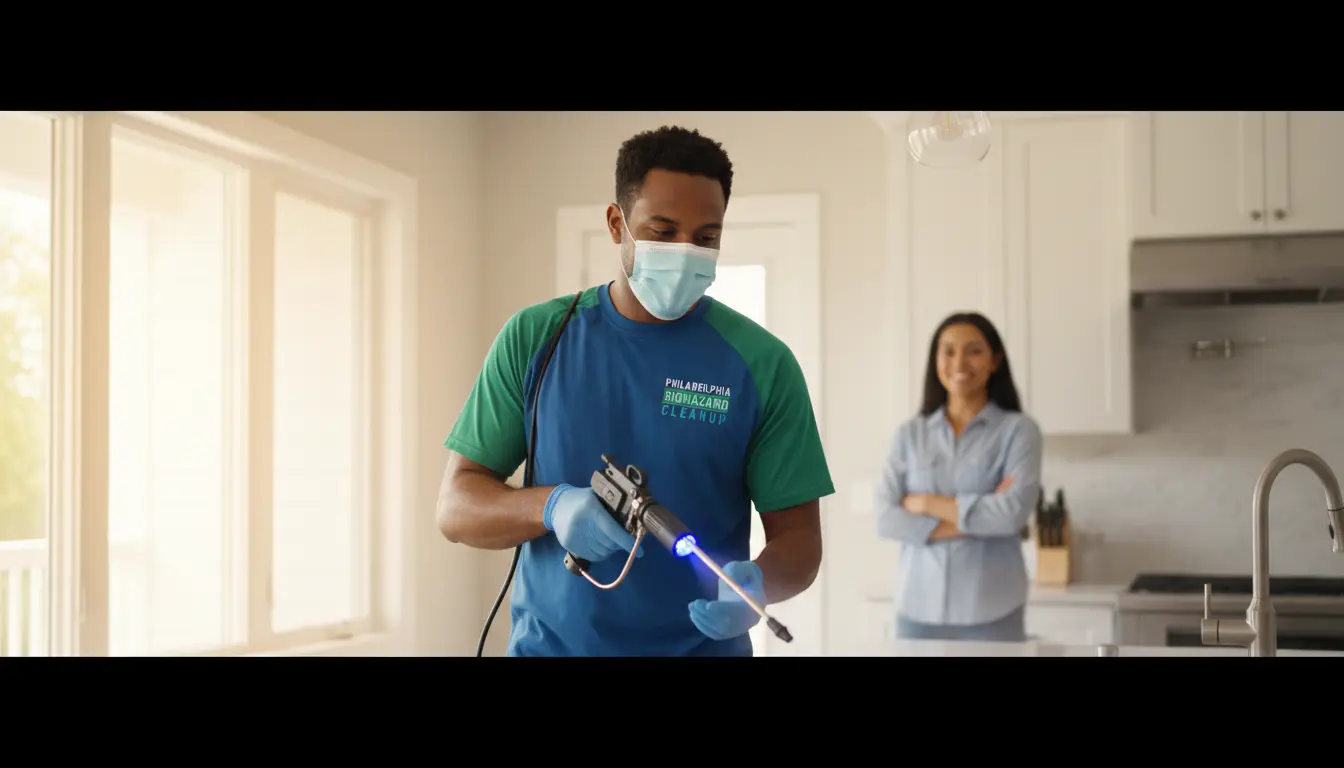
In the bustling city of Philadelphia and across Pennsylvania, medical waste poses unique challenges for homeowners, healthcare facilities, and businesses alike. Whether it’s from a home accident, a medical procedure gone awry, or routine disposal in a clinic, improper handling can lead to serious health risks, environmental hazards, and legal penalties. As a leading provider in biohazard remediation, Philadelphia Biohazard Cleanup understands the intricacies of Pennsylvania’s strict regulations. In this guide, we’ll walk you through essential steps to safely manage medical waste cleanup, ensuring you protect yourself, your loved ones, and your community. If you’re dealing with a biohazard situation in areas like Fishtown or Upper Darby, knowing these protocols can make all the difference.
Understanding Medical Waste in Pennsylvania
Medical waste, often classified as biohazardous material, includes items contaminated with blood, bodily fluids, or infectious agents. In PA, the Department of Environmental Protection (DEP) and federal guidelines from the EPA and OSHA dictate how this waste must be handled. Non-compliance can result in fines up to $25,000 per violation, making professional intervention crucial.
Types of Medical Waste You Might Encounter
From sharps like needles to soft waste such as bandages and gloves, medical waste varies. In Philadelphia’s dense urban environment, where hospitals and clinics are plentiful, residential areas often see spillover from home health care. Common types include:
- Infectious waste: Anything potentially carrying pathogens, like used surgical tools.
- Pathological waste: Tissues or organs from medical procedures.
- Pharmaceutical waste: Expired medications or contaminated packaging.
If you’ve experienced a trauma incident in your Havertown home, recognizing these categories helps in initial containment.
Step-by-Step Guide to Safe Medical Waste Cleanup
Handling medical waste requires precision to avoid exposure to harmful pathogens. Never rush the process—prioritize safety every time.
Step 1: Assess the Situation and Secure the Area
First, evaluate the extent of contamination. In Philadelphia’s variable weather, outdoor spills can complicate matters, so act quickly to isolate the area. Use caution tape or barriers to prevent access, especially in high-traffic spots like Jenkintown neighborhoods. If the waste involves bloodborne pathogens, assume it’s infectious until proven otherwise.
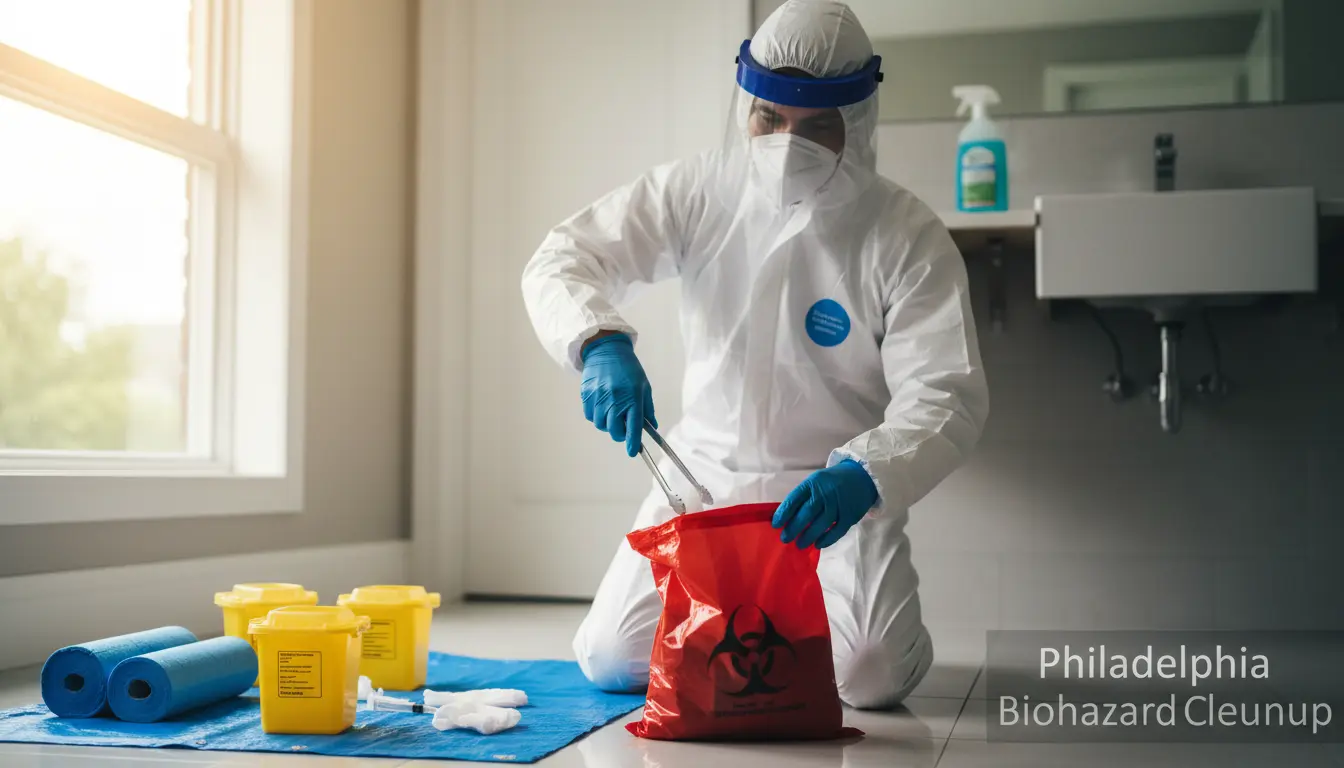
Practical Tip: Wear personal protective equipment (PPE) from the start. Gloves, masks, and goggles are non-negotiable. For larger scenes, such as those requiring trauma scene decontamination, call professionals immediately to avoid DIY risks.
Step 2: Gather the Right Tools and Supplies
Equipping yourself properly minimizes cross-contamination. Essential items include:
- Leak-proof biohazard bags (red or clearly marked).
- Sharps containers for needles and blades.
- Disinfectants approved by the EPA, like bleach solutions (1:10 dilution).
- Absorbent materials for liquid spills.
In PA, all waste must be double-bagged and labeled per state regs. Stock up from local suppliers in the Philly area, but remember, for complex cleanups like biohazard waste removal, experts handle the heavy lifting.
Step 3: Contain and Collect the Waste
Approach the waste methodically. For liquids, apply absorbent powder or pads to soak it up before bagging. Use tongs or tools to pick up sharps—never your hands. In Camden’s residential zones, where space is tight, work in small sections to maintain control.
Actionable Advice: Ventilate the area to reduce airborne risks. If odors persist post-cleanup, consider odor elimination services to restore freshness and safety.
Step 4: Disinfect and Decontaminate the Site
Once waste is collected, clean surfaces with a disinfectant, letting it sit for the recommended contact time (usually 10 minutes). Pay attention to cracks and crevices where pathogens hide. In Philadelphia’s older buildings, like those in Fishtown, thoroughness prevents lingering issues.
Pro Tip: Test for residue using ATP swabs if available. For severe cases, such as unattended death cleanup, professional certification ensures the site meets PA health standards.
Step 5: Proper Disposal and Documentation
PA requires medical waste to be transported by licensed haulers to approved facilities. Do not use regular trash—it’s illegal and dangerous. Keep records of the cleanup, including photos and disposal receipts, for potential inspections.
Local Insight: In the Greater Philadelphia area, companies like ours partner with certified incinerators. If you’re in Upper Darby, we can guide you on local DEP-compliant options.
Common Mistakes to Avoid in Medical Waste Handling
Even with good intentions, errors happen. Avoid these pitfalls:
- Underestimating PPE Needs: Skipping full coverage exposes you to hepatitis or HIV.
- Improper Storage: Leaving waste unsecured attracts pests, common in Philly’s urban settings.
- Skipping Professional Help: DIY works for minor spills, but for drug-related incidents involving drug lab cleanup, experts are essential to avoid chemical hazards.
- Ignoring Regulations: PA’s Act 101 mandates specific protocols—familiarize yourself or risk penalties.
By steering clear of these, you safeguard health and comply with laws in areas like Havertown and Camden.
When to Call Professional Biohazard Cleanup Services
Not all cleanups are DIY-friendly. If the waste volume is large, involves chemicals, or you’re unsure, contact Philadelphia Biohazard Cleanup at (215) 484-0325. We serve all of Philadelphia and surrounding PA regions, including Jenkintown and beyond, with 24/7 emergency response. Our IICRC-certified team uses advanced tools for thorough, safe remediation, ensuring your property is restored without trace.
Professionals handle everything from initial assessment to final disposal, saving you time and stress. In Philadelphia’s fast-paced environment, quick action prevents further complications.
FAQ: Medical Waste Cleanup in Pennsylvania
1. What qualifies as medical waste under PA regulations?
Medical waste includes any material contaminated by blood, bodily fluids, or infectious agents. PA’s DEP defines it broadly to cover sharps, cultures, and pathological items—always err on the side of caution.
2. Can I dispose of medical waste in regular household trash?
No, absolutely not. It’s illegal in PA and poses public health risks. Use licensed services for proper incineration or autoclaving.
3. How long does a typical medical waste cleanup take?
For small residential spills in Philly, it might take 1-2 hours. Larger scenes, like in a clinic, can extend to a full day. Professionals expedite the process safely.
4. Are there special rules for medical waste in Philadelphia apartments?
Yes, building codes require immediate containment and notification to management. In dense areas like Fishtown, coordination with local authorities may be needed.
5. What if I suspect contamination after cleanup?
Retest the area or call experts. Persistent issues, such as odors in Upper Darby homes, often signal incomplete decontamination—don’t hesitate to seek help.
Conclusion: Prioritize Safety with Expert Help
Safely handling medical waste cleanup in PA demands knowledge, caution, and the right resources. From assessing risks in your Philadelphia home to ensuring compliant disposal, following these steps protects everyone involved. But remember, for peace of mind and professional results, Philadelphia Biohazard Cleanup is your trusted partner. Serving neighborhoods from Camden to Jenkintown, we’re here to handle the hazardous so you don’t have to.
Ready to secure your space? Contact us today at (215) 484-0325 for a free consultation and let our experts restore safety and cleanliness to your property.