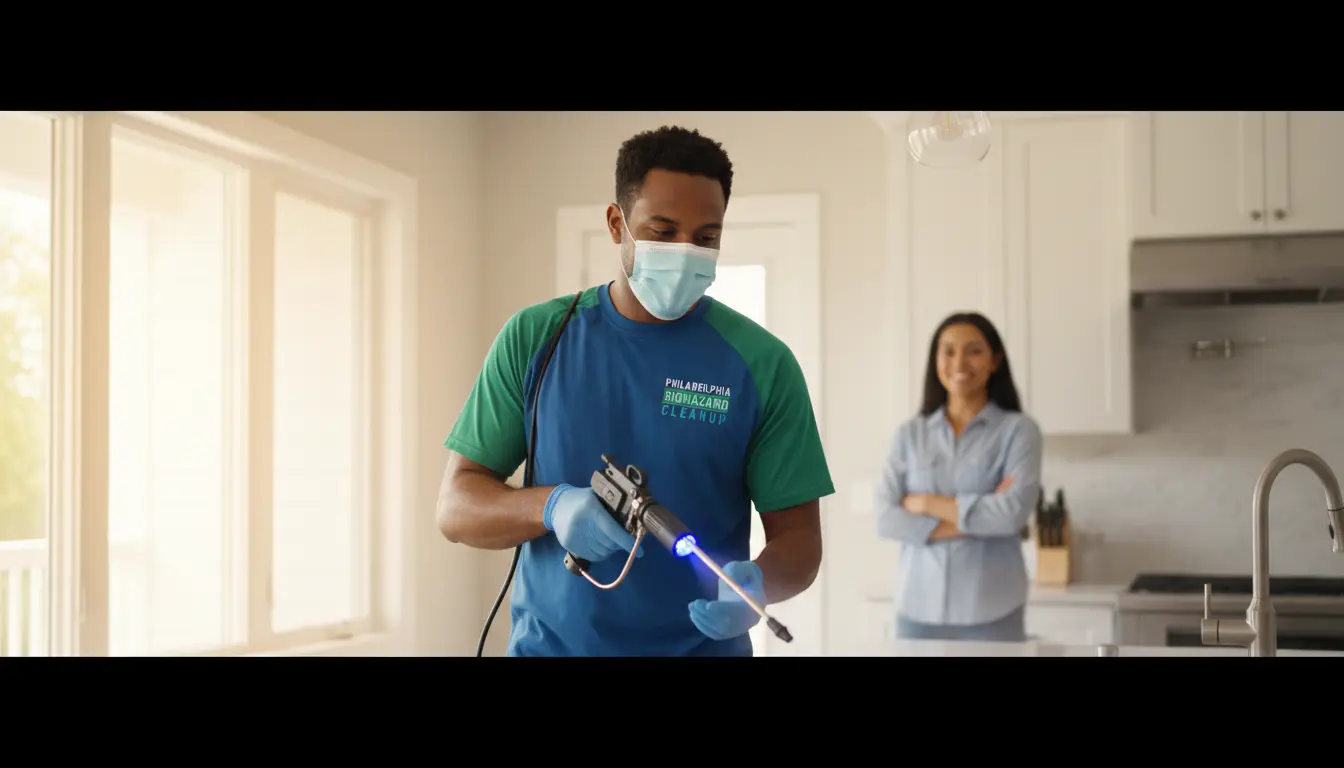
Contrary to popular belief, the aftermath of a crime scene in Philadelphia can be just as deadly as the incident itself, with bloodborne pathogens and other biohazards posing a significant threat to public health. In fact, the risks associated with crime scene cleanup are so great that the American Bio Recovery Association (ABRA) has established strict guidelines for the remediation of biological hazards. As a certified senior biohazard remediation expert, I can attest that professional cleanup is essential to mitigating these risks and restoring a safe and habitable environment.
The importance of professional biohazard remediation cannot be overstated, particularly in urban environments like Philadelphia where the prevalence of historic rowhomes and narrow alleys can create a perfect storm of biological hazards. Standard cleaning methods are woefully inadequate when it comes to addressing the complex risks associated with crime scene cleanup, and can even exacerbate the problem by spreading contaminants and creating new hazards. That’s why it’s essential to work with a reputable and certified biohazard remediation service like Philadelphia Biohazard Cleanup, which has the expertise and equipment to safely and effectively remediate biological hazards.
In Philadelphia, the humid summers can aggressively accelerate biological decomposition, making it essential to address biohazards quickly and effectively. The city’s historic rowhomes, with their porous original hardwood and tight spaces, can also create unique challenges for biohazard remediation. By understanding these local conditions and incorporating them into our cleanup protocols, we can provide more effective and targeted remediation services. For more information on our services, including trauma scene cleanup and homicide scene remediation, visit our website.
Technical Process
The professional biohazard remediation workflow involves a series of carefully planned and executed steps, each designed to address a specific aspect of the biological hazard. The process begins with a thorough scene assessment, during which our technicians identify and document all potential hazards, including bloodborne pathogens, bodily fluids, and other biological materials. Next, we establish a containment zone to prevent the spread of contaminants and ensure that all personnel and equipment are properly protected. For example, in the case of a trauma scene decontamination, we may use HEPA air scrubbers and hydroxyl generators to remove airborne pathogens and prevent cross-contamination.
Once the containment zone is established, our technicians begin the process of gross biological matter removal, using specialized equipment and techniques to safely and effectively remove all visible signs of biological hazards. This is followed by a multi-stage disinfection process, during which we use EPA-registered hospital-grade disinfectants to eradicate all remaining pathogens and contaminants. Finally, we conduct ATP clearance testing to validate the effectiveness of our remediation efforts and ensure that the environment is safe for occupancy. For more information on our blog, visit our website.
Data Comparison Table
The following table illustrates the key differences between professional biohazard remediation and standard janitorial or DIY cleaning methods:
| Feature/Metric | Professional Biohazard Remediation | Standard/DIY Cleaning |
|---|---|---|
| Pathogen Eradication | 99.99% effective | 50-70% effective |
| Legal Compliance/Liability | Compliant with ABRA and OSHA standards | Non-compliant, potential liability risks |
| Bio-Waste Disposal | Proper disposal in accordance with regulations | Improper disposal, potential environmental hazards |
Source: OSHA Bloodborne Pathogens Standard
Expert Insights
As a certified senior biohazard remediation expert, I can offer several advanced professional tips for ensuring the safe and effective remediation of biological hazards. First, it’s essential to properly zone the containment area to prevent cross-contamination and ensure that all personnel and equipment are properly protected. Second, ATP testing is crucial for validating the effectiveness of remediation efforts and ensuring that the environment is safe for occupancy. Finally, it’s essential to use EPA-registered hospital-grade disinfectants, which have been proven to be effective against a wide range of pathogens and contaminants. For more information on quick biohazard cleanup services for Philadelphia businesses, visit our website.
Common mistakes property owners make when attempting to clean up biological hazards include using standard household bleach, which can fail to penetrate porous surfaces and create toxic gases, and ignoring sub-flooring where fluids have seeped, which can lead to lingering odors, structural damage, and severe health risks. By working with a reputable and certified biohazard remediation service like Philadelphia Biohazard Cleanup, property owners can avoid these mistakes and ensure that their environment is safe and habitable. For more information on hoarding cleanup in Greater Philly, visit our website.
Pricing
The cost of professional biohazard remediation can vary widely depending on several factors, including the extent of the biological footprint, hazardous medical waste disposal weight/fees, and structural removal needs. The following are some general pricing structures:
- Containment fees: $500-$2,000
- Hourly technician rates: $100-$300 per hour
- Flat fees based on the severity of the scene: $1,000-$10,000
It’s essential to work with a reputable and certified biohazard remediation service like Philadelphia Biohazard Cleanup to ensure that you receive a fair and accurate estimate for your specific needs. For more information on emergency biohazard response in the Philly area, visit our website.
Safety & Standards
Philadelphia Biohazard Cleanup is committed to adhering to the highest standards of safety and quality, including ABRA certification, OSHA standard 29 CFR 1910.1030, and the use of EPA-registered hospital-grade disinfectants. Our technicians are fully trained and equipped to handle even the most complex and hazardous biological cleanup scenarios, and we take every precaution to ensure the safety of our personnel, our clients, and the environment. For more information on medical waste cleanup in PA, visit our website.
FAQ Section
What is the typical response time for biohazard remediation services?
The typical response time for biohazard remediation services can vary depending on the severity of the scene and the location. However, Philadelphia Biohazard Cleanup is committed to providing rapid response times, often within 1-2 hours of initial contact. Our technicians are available 24/7 to respond to emergencies and ensure that the environment is safe and habitable as quickly as possible. For more information on common biohazards in Pennsylvania homes, visit our website.
Are biohazard remediation services covered by insurance?
In many cases, biohazard remediation services are covered by insurance, including homeowners and commercial policies. However, the specific coverage and requirements can vary depending on the policy and the circumstances. Philadelphia Biohazard Cleanup works closely with insurance companies to ensure that our clients receive the coverage they need and deserve. For more information on biohazard cleanup in Philadelphia, visit our website.
What safety protocols do technicians follow during biohazard remediation?
Philadelphia Biohazard Cleanup technicians follow strict safety protocols during biohazard remediation, including the use of personal protective equipment (PPE), containment zoning, and decontamination procedures. Our technicians are fully trained and equipped to handle even the most complex and hazardous biological cleanup scenarios, and we take every precaution to ensure the safety of our personnel, our clients, and the environment. For more information on our services, visit our contact us page.
Can I attempt to clean up a biohazard myself?
No, it’s not recommended to attempt to clean up a biohazard yourself. Biohazards can pose significant risks to public health, and improper cleanup can lead to the spread of contaminants, lingering odors, structural damage, and severe health risks. Philadelphia Biohazard Cleanup is committed to providing safe and effective biohazard remediation services, and we strongly advise against attempting to clean up a biohazard yourself. For more information on our company, visit our about us page.
Professional Biohazard Remediation in Philadelphia, PA
In conclusion, the restoration of a safe, sanitized, and habitable environment is essential after a crime scene or biological hazard incident. Philadelphia Biohazard Cleanup is the premier, authoritative service provider in the area, with the expertise and equipment to safely and effectively remediate biological hazards. By working with our certified and trained technicians, property owners can ensure that their environment is safe and habitable, and that they receive the highest level of quality and service. For more information on our services, including areas we serve, visit our website.
We serve a wide range of areas, including Fishtown, Manayunk, Northern Liberties, Rittenhouse Square, South Philadelphia, Cherry Hill, Camden, Bryn Mawr, Ardmore, Havertown, and Upper Darby. Contact us today to learn more about our services and to schedule your appointment.