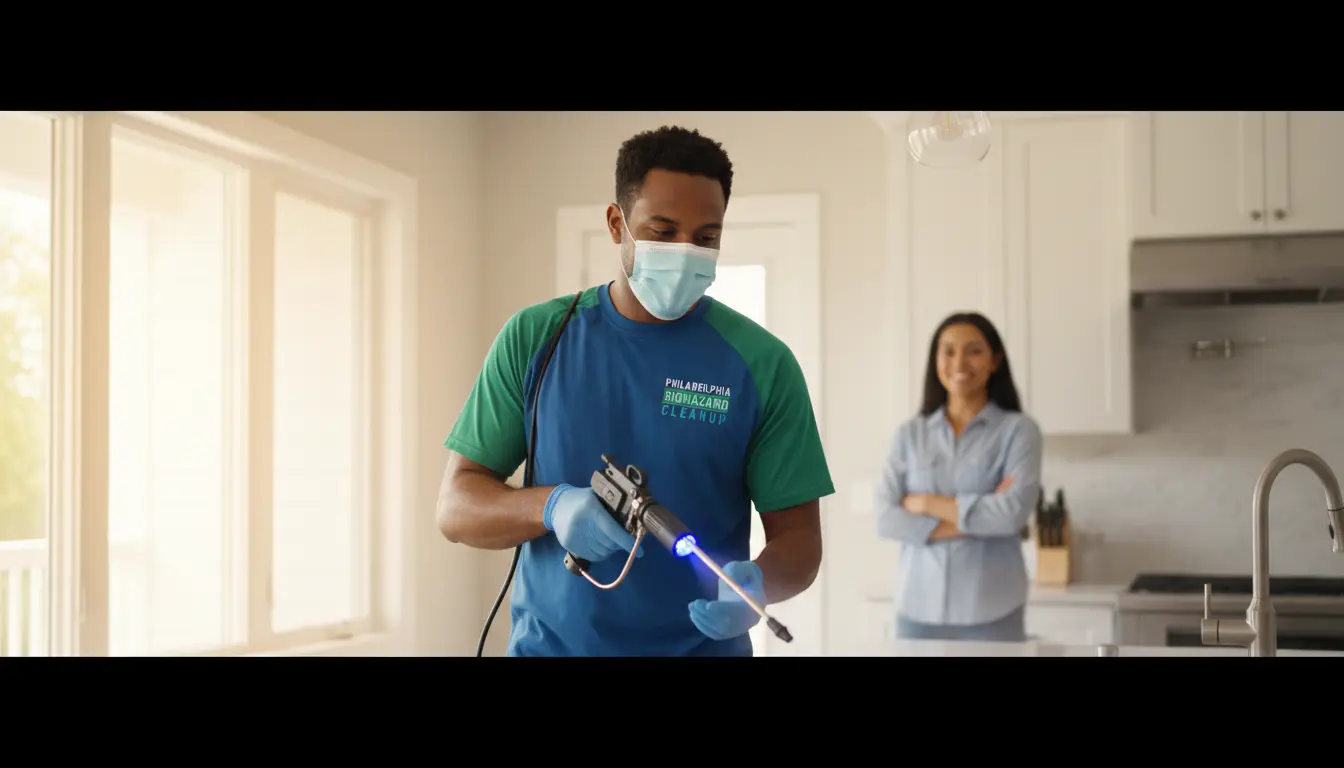
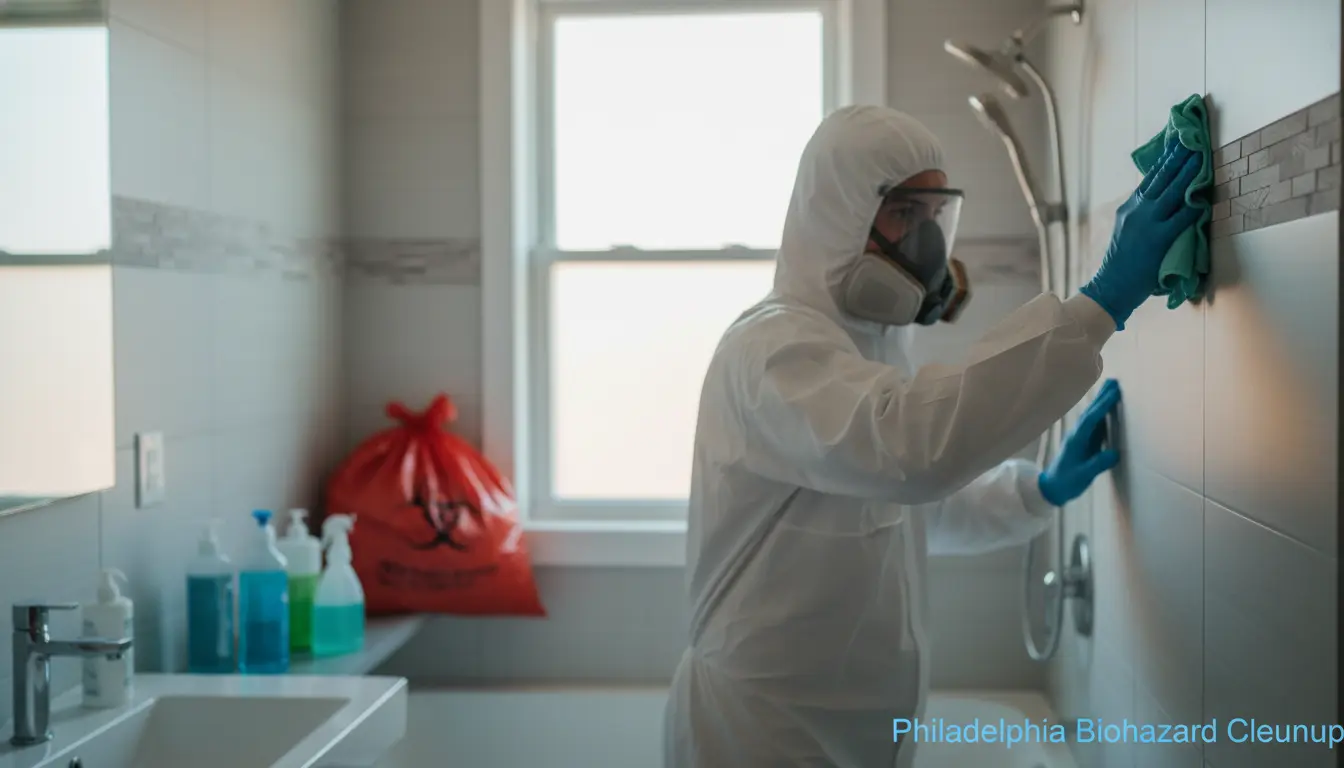
Living in the vibrant city of Philadelphia comes with its unique challenges, from the historic charm of Old City to the bustling streets of Center City. But beneath the surface, hidden dangers can lurk in your home or business. Biohazards—such as blood, bodily fluids, mold from sewage backups, or contaminants from unattended deaths—pose serious health risks if not handled properly. As a leading provider in the area, Philadelphia Biohazard Cleanup specializes in swift, compassionate, and thorough remediation to restore safety and peace of mind.
If you’re unsure whether your situation requires professional intervention, this guide outlines five critical signs that it’s time to call in the experts. Ignoring these indicators can lead to long-term health issues, property damage, and even legal complications. Whether you’re in Fishtown or South Philly, recognizing these signs early can make all the difference. Let’s dive in and explore how to identify when biohazard cleanup is essential.
Sign 1: Unexplained Foul Odors Persisting in Your Property
One of the most immediate and noticeable indicators of a biohazard is a persistent, unpleasant odor that doesn’t dissipate with regular cleaning. In Philadelphia’s humid climate, especially during the summer months, organic materials like decomposing matter or sewage can quickly produce strong smells that permeate walls, carpets, and HVAC systems.
Why This Happens in Philly Homes
Urban living in neighborhoods like Fishtown often means dealing with older plumbing or rodent infestations in rowhomes. A small leak or pest problem can escalate into a biohazard if fluids or waste accumulate unseen. For instance, a forgotten refrigerator in a vacant property near the Delaware River could harbor bacterial growth, leading to odors that signal deeper contamination.
Practical Tips for Assessment
- Ventilate and Inspect: Open windows and use fans, but if the smell worsens or lingers after 24-48 hours, avoid DIY attempts. Biohazards require specialized equipment to detect pathogens.
- Document the Issue: Take photos and note the odor’s location—this helps professionals like our team at Philadelphia Biohazard Cleanup assess the scope quickly.
- Seek Immediate Help: If the odor is accompanied by discoloration on surfaces, contact us right away. Our biohazard cleanup services in Fishtown are tailored for such urban scenarios.
Acting fast prevents the spread of airborne contaminants, which can affect respiratory health, especially for families with children or elderly members.
Sign 2: Visible Blood, Bodily Fluids, or Unattended Remains
Discovering bloodstains, vomit, or worse—signs of an unattended death—can be traumatic. In a city as densely populated as Philadelphia, accidents, crimes, or medical emergencies happen, leaving behind hazardous materials that harbor diseases like hepatitis or HIV.
The Risks in Philadelphia’s Diverse Communities
From the high-rise apartments in Rittenhouse Square to family homes in Manayunk, these incidents require certified handling. Philadelphia’s first responders often secure the scene, but residual biohazards remain, necessitating professional cleanup to make the space habitable again.
Actionable Advice for Safety
- Do Not Touch or Clean: Use barriers like tape to isolate the area and evacuate if possible. Exposure can lead to infections.
- Call Certified Pros: Our team at Philadelphia Biohazard Cleanup follows OSHA and EPA guidelines, using PPE and disinfectants to eliminate 99.9% of pathogens.
- Emotional Support Integration: We understand the sensitivity; pair cleanup with resources for grief counseling available through local Philly organizations.
For more on handling trauma scenes, explore our crime scene cleanup services. Prompt response minimizes emotional and physical trauma.
Sign 3: Evidence of Rodent or Pest Infestations with Droppings
Philadelphia’s parks and green spaces attract wildlife, but when rodents invade your home—leaving droppings, urine, or nests—they create biohazards teeming with hantavirus and salmonella. In areas like Germantown with historic homes, attics and basements are prime spots.
Local Factors Amplifying the Problem
The city’s seasonal changes, from harsh winters to wet springs, drive pests indoors. A single nest can contaminate food storage and air quality, leading to allergic reactions or severe illnesses.
Steps to Take Before Professionals Arrive
- Identify and Isolate: Look for gnaw marks, greasy trails, or fecal pellets. Seal entry points temporarily with steel wool.
- Avoid Vacuuming: This aerosolizes pathogens; instead, lightly mist with disinfectant and let it sit.
- Professional Decontamination: We use enzyme-based cleaners for thorough removal. Check out our rodent cleanup solutions for Philly-specific strategies.
Regular inspections, especially in older buildings, can prevent escalation.
Sign 4: Sewage Backups or Mold Growth from Water Damage
A burst pipe or sewer overflow in your Philadelphia property isn’t just messy—it’s a biohazard. Black mold and fecal matter introduce E. coli and other bacteria, thriving in the damp conditions common after heavy rains in the Schuylkill River watershed.
Philly-Specific Vulnerabilities
Rowhouse plumbing in neighborhoods like Queen Village can back up during storms, flooding basements with contaminated water. Even minor leaks left unchecked can foster mold within 48 hours.
Proactive Remediation Tips
- Shut Off Water and Power: Prevent further damage and electrocution risks.
- Assess Extent: If water is discolored or smells sewage-like, evacuate and call experts.
- Restoration Process: Our sewage cleanup services include drying, antimicrobial treatments, and structural repairs to prevent recurrence.
Combining cleanup with moisture control ensures long-term safety.
Sign 5: Hoarding Situations Leading to Accumulated Waste
Hoarding affects many in Philadelphia, from Kensington’s supportive communities to affluent areas. Piles of waste, expired food, and bio-waste create breeding grounds for insects, bacteria, and fire hazards.
Understanding the Local Context
With resources like Philly’s mental health initiatives, cleanup often intersects with compassionate care. Unaddressed hoarding can lead to infestations that spread to neighboring units in multi-family dwellings.
Guidance for Intervention
- Approach with Empathy: Involve social services if needed; focus on safety first.
- Professional Assessment: We provide discreet, non-judgmental service, removing hazards while preserving valuables.
- Holistic Solutions: Learn about our hoarding cleanup expertise designed for sensitive Philadelphia cases.
Early intervention protects health and complies with local health codes.
FAQ: Common Questions About Biohazard Cleanup in Philadelphia
What Should I Do Immediately If I Suspect a Biohazard?
Isolate the area, avoid contact, and call Philadelphia Biohazard Cleanup at (215) 484-0325. We’ll arrive equipped and guide you through the process.
How Long Does Biohazard Cleanup Take in Philly?
It varies by severity—simple jobs take 4-8 hours, while extensive ones like hoarding may span days. We prioritize efficiency without compromising safety.
Is Biohazard Cleanup Covered by Insurance in Philadelphia?
Often yes, for incidents like accidents or floods. Contact your provider; we assist with claims and provide detailed reports.
Do You Serve All Philadelphia Neighborhoods?
Absolutely, from Fishtown to West Philly. Our areas we serve page lists specifics.
What Certifications Does Your Team Hold?
Our technicians are IICRC-certified, OSHA-compliant, and trained in biohazard protocols, ensuring top standards for Philly properties.
Conclusion: Don’t Delay—Secure Professional Help Today
Recognizing these five signs—persistent odors, visible fluids, pest evidence, sewage issues, and hoarding waste—empowers you to act decisively in Philadelphia’s fast-paced environment. Delaying can exacerbate health risks and property devaluation, but with Philadelphia Biohazard Cleanup, you gain a trusted partner committed to restoration.
Whether it’s a sudden emergency or a building concern, our 24/7 availability ensures rapid response. Protect your loved ones and property—reach out now at (215) 484-0325 or visit our site for a free consultation. In a city full of history and heart, let’s keep it safe together.