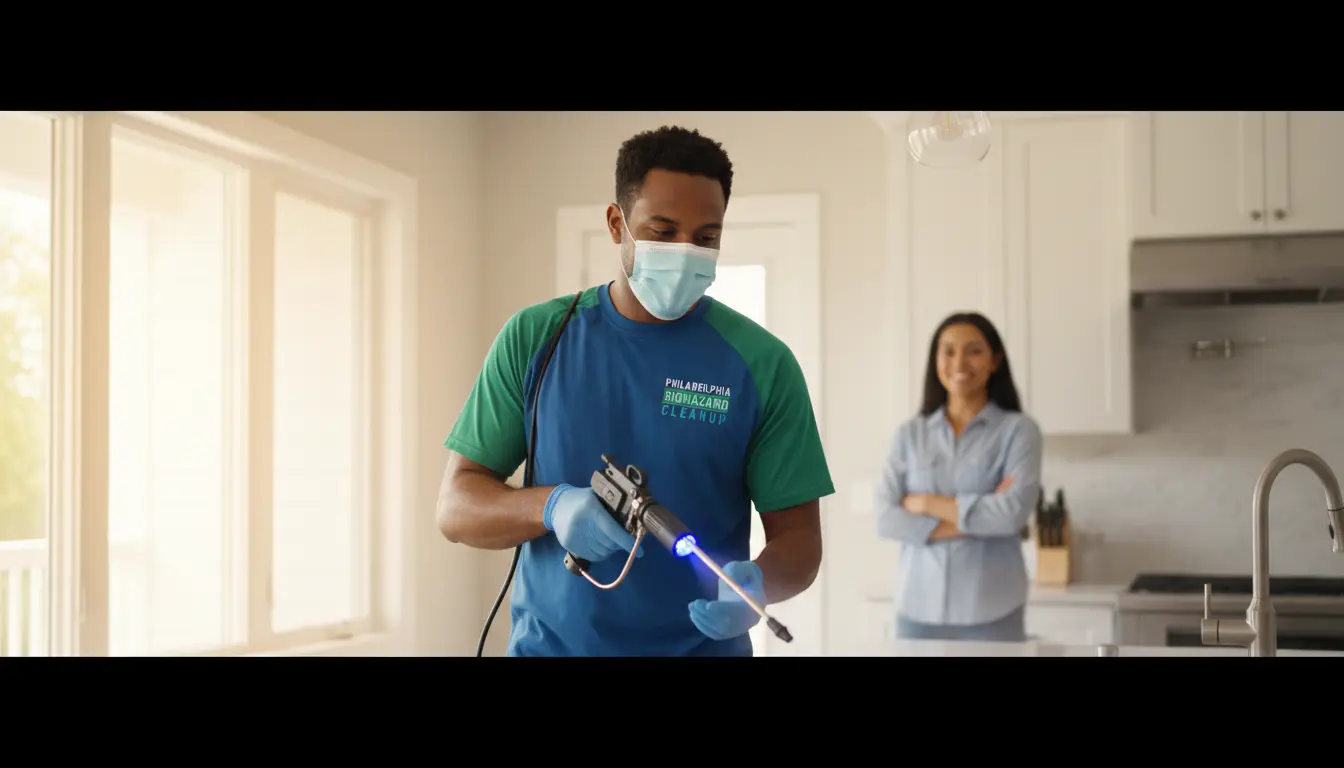
According to the Centers for Disease Control and Prevention (CDC), approximately 1 in 5 homes in the United States contain hazardous materials, such as lead-based paint, asbestos, or mercury, which can pose significant health risks to occupants. In Philadelphia, PA, this number may be even higher due to the city’s aging infrastructure and historic buildings. As a property owner in Philadelphia, it is essential to be aware of the potential biohazards that may be present in your building and to take steps to mitigate these risks. One critical aspect of maintaining a safe and healthy environment is adhering to Philadelphia biohazard cleanup laws, which are designed to protect both people and the environment from the dangers of biological hazards.
The importance of professional biohazard remediation cannot be overstated. Standard cleaning methods are often insufficient to eliminate biological risks, and attempting to clean up a biohazardous scene without proper training and equipment can lead to serious health consequences. In Philadelphia, property owners can rely on Philadelphia Biohazard Cleanup for expert biohazard remediation services that comply with all relevant laws and regulations.
Philadelphia Biohazard Cleanup is a certified and experienced provider of biohazard remediation services in Philadelphia, PA. Their team of experts is trained to handle a wide range of biohazardous situations, from crime scene cleanup to hoarding remediation. With a commitment to safety, professionalism, and customer satisfaction, Philadelphia Biohazard Cleanup is the go-to choice for property owners in Philadelphia who need reliable and effective biohazard cleanup services.
Technical Process of Biohazard Remediation
The process of biohazard remediation involves several critical steps, each designed to ensure the safe and effective removal of biological hazards. The first step is scene assessment, during which trained technicians evaluate the extent of the biohazardous situation and identify potential risks. This assessment informs the development of a customized cleanup plan, which may include hazard containment, gross biological matter removal, and multi-stage disinfection.
One of the key tools used in biohazard remediation is the HEPA (High Efficiency Particulate Air) filter, which is capable of capturing 99.97% of particles as small as 0.3 microns. This includes viruses, bacteria, and other microorganisms that can cause illness. HEPA filters are often used in conjunction with hydroxyl generators, which produce hydroxyl radicals that break down and neutralize organic compounds, including those responsible for unpleasant odors.
For more information on the importance of proper biohazard cleanup, especially in the context of quick biohazard cleanup services for Philadelphia businesses, it is crucial to understand the technical process and the role of specialized equipment and trained personnel.
Data Comparison Table
When considering biohazard remediation services, it is helpful to compare the benefits of professional remediation versus standard janitorial or DIY cleaning methods. The following table illustrates some key differences:
| Feature/Metric | Professional Biohazard Remediation | Standard/DIY Cleaning |
|---|---|---|
| Pathogen Eradication | 99.99% effective | Variable, often ineffective |
| Legal Compliance/Liability | Compliant with all relevant laws and regulations | May not meet legal standards, potentially leading to liability |
| Bio-Waste Disposal | Proper disposal in accordance with regulations | May not be disposed of correctly, posing environmental and health risks |
Source: OSHA Bloodborne Pathogens Standard
Expert Insights
Professional biohazard remediation technicians often provide valuable insights into the process and importance of proper cleanup. One key aspect is the necessity of ATP (Adenosine Triphosphate) testing to validate the effectiveness of the disinfection process. ATP testing measures the presence of organic matter, including bacteria, viruses, and other microorganisms, and is a critical tool in ensuring that a scene has been properly remediated.
Another important consideration is the potential for cross-contamination, which can occur when biohazardous materials are not properly contained and isolated. This can lead to the spread of pathogens to other areas of a building or even to other buildings, posing significant health risks. Proper zoning and containment methods are essential to prevent cross-contamination and ensure a safe and effective cleanup process.
Pricing
The cost of biohazard remediation services can vary widely depending on several factors, including the extent of the biological hazard, the size of the affected area, and the type of cleanup required. Some common pricing structures include:
- Containment fees, which cover the cost of isolating and securing the biohazardous area
- Hourly technician rates, which are based on the time required to complete the cleanup
- Flat fees, which are based on the severity of the scene and the services required
It is also important to consider the potential costs associated with not properly addressing a biohazardous situation, including legal liabilities, health risks, and damage to property.
Safety and Standards
Safety is paramount in biohazard remediation, and adherence to strict standards and protocols is essential to protecting both technicians and occupants. Philadelphia Biohazard Cleanup technicians are certified in accordance with the American Bio Recovery Association (ABRA) and follow all relevant OSHA standards, including 29 CFR 1910.1030, which governs occupational exposure to bloodborne pathogens.
The use of EPA-registered hospital-grade disinfectants is also critical in ensuring the effective elimination of pathogens and the prevention of disease transmission. These disinfectants have been proven to be effective against a wide range of microorganisms, including viruses, bacteria, and fungi, and are a key component of a comprehensive biohazard remediation protocol.
FAQ Section
What is the average response time for biohazard cleanup services in Philadelphia?
The average response time for biohazard cleanup services in Philadelphia can vary depending on the service provider and the specific circumstances of the situation. However, Philadelphia Biohazard Cleanup prides itself on rapid response times, often arriving on scene within 1-2 hours of initial contact.
Are biohazard cleanup services covered by insurance?
In many cases, biohazard cleanup services are covered by insurance, although this can depend on the specific policy and the circumstances of the situation. It is always best to consult with your insurance provider to determine the extent of your coverage.
What safety protocols are in place to protect technicians and occupants during biohazard cleanup?
Philadelphia Biohazard Cleanup technicians follow strict safety protocols, including the use of personal protective equipment (PPE), to minimize the risk of exposure to biological hazards. Technicians are also trained in the proper use of equipment and the safe handling of biohazardous materials.
Can I attempt to clean up a biohazardous scene myself?
No, it is strongly advised against attempting to clean up a biohazardous scene yourself. Biohazardous materials can pose significant health risks, and improper cleanup can lead to the spread of disease and other complications. It is always best to consult with a professional biohazard remediation service to ensure a safe and effective cleanup.
Conclusion
In conclusion, Philadelphia biohazard cleanup laws are in place to protect the health and safety of occupants and to prevent the spread of disease. As a property owner in Philadelphia, it is essential to be aware of these laws and to take steps to ensure compliance. Philadelphia Biohazard Cleanup is a trusted and experienced provider of biohazard remediation services, offering rapid response times, strict adherence to safety protocols, and a commitment to customer satisfaction. For more information on biohazard cleanup services, including the hidden dangers of hoarding cleanup in Greater Philly and emergency biohazard response tips for the Philly area, please visit our website or contact us directly.
Remember, when it comes to biohazard cleanup, it’s not just about cleaning up a mess – it’s about restoring a safe, healthy, and habitable environment. Don’t risk your health or the health of others by attempting to clean up a biohazardous scene yourself. Instead, trust the experts at Philadelphia Biohazard Cleanup to provide you with the professional, reliable, and compassionate service you need.
For immediate assistance with a biohazardous situation, please call us at (215) 484-0325 or visit our website at https://philadelphiabiohazardcleanup.com/. We are here to help you navigate the complexities of biohazard cleanup and to provide you with the peace of mind that comes from knowing your property is safe and clean.