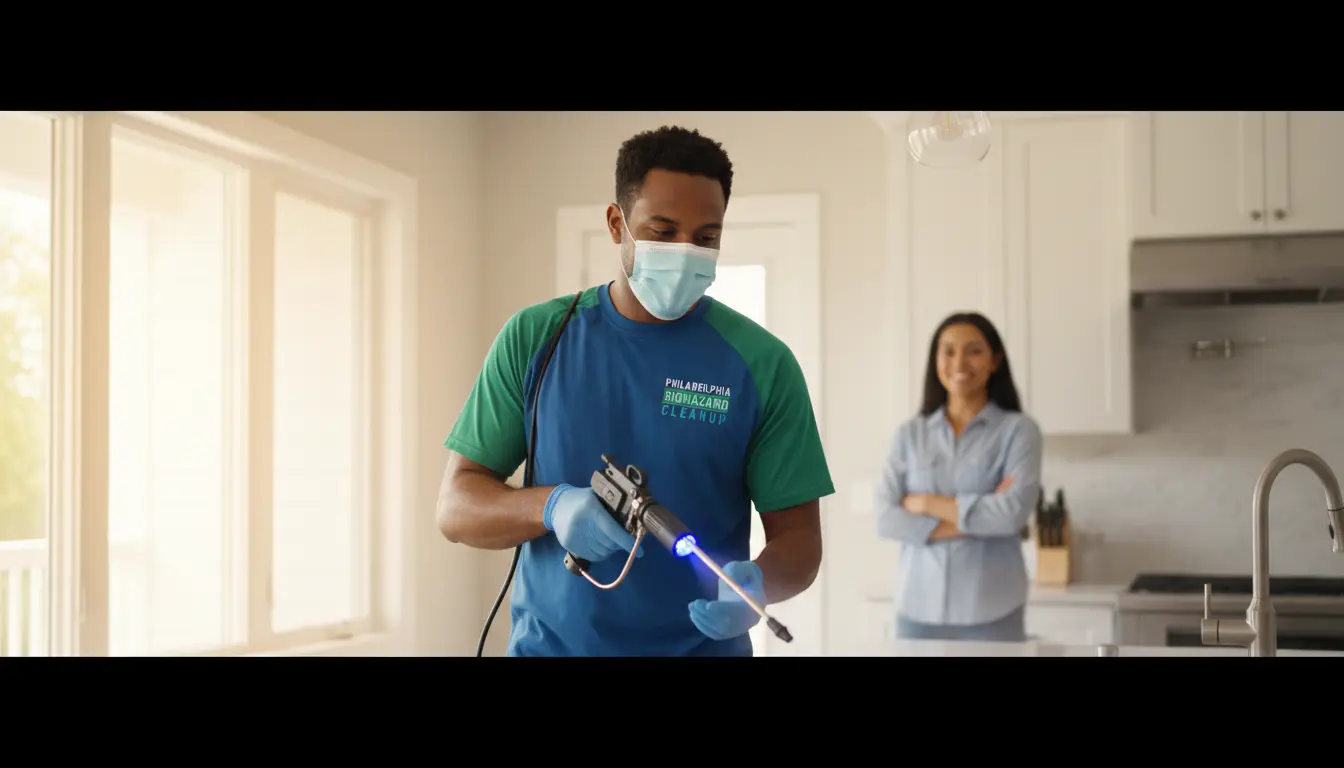
As I stepped into the narrow rowhome in Fishtown, Philadelphia, the pungent smell of decay hit me like a punch to the gut. It was a scene that would haunt me for weeks – the aftermath of an unattended death, where the family had been too overwhelmed to handle the cleanup themselves. This was not just a matter of aesthetic displeasure; it was a serious biohazard that posed significant health risks to anyone who entered the premises. The primary concern was how to prepare the property before a biohazard cleanup crew arrived, ensuring the safety of both the crew and the property’s future occupants.
The importance of professional, certified biohazard remediation cannot be overstated, especially in densely populated urban environments like Philadelphia. Standard cleaning methods are woefully inadequate when dealing with biological hazards, as they fail to address the microscopic threats that can lead to serious health issues. This is where Philadelphia Biohazard Cleanup comes into play, offering authoritative and comprehensive services tailored to the unique challenges of the Philadelphia area.
Given the humid summers of Pennsylvania, which can aggressively accelerate biological decomposition, and the prevalence of historic rowhomes with porous original hardwood and tight spaces, the need for expert biohazard cleanup is especially pressing. Local and state regulations regarding biomedical waste transport further complicate the process, necessitating a service that is not only effective but also compliant with all relevant laws and standards.
Technical Process of Biohazard Remediation
The process of biohazard remediation is intricate and demands a high level of expertise. It begins with a thorough scene assessment to identify all areas of biological contamination. This is followed by hazard containment and zoning to prevent the spread of pathogens. The use of HEPA air scrubbers and hydroxyl generators is crucial in controlling aerosolized contaminants and ensuring the air quality within the affected area is safe for the remediation crew.
Removal of gross biological matter is a delicate process, requiring heavy-duty personal protective equipment (PPE) to safeguard against bloodborne pathogens. Multi-stage disinfection, including the use of EPA-registered hospital-grade disinfectants, is then applied to all surfaces, paying particular attention to high-touch areas and porous materials that can harbor pathogens. Finally, ATP (adenosine triphosphate) clearance testing is conducted to validate the efficacy of the disinfection process, ensuring that the area is safe for reoccupation.
Data Comparison: Professional vs. DIY Biohazard Cleanup
When considering the implications of biohazard cleanup, it’s essential to understand the stark differences between professional remediation services and standard janitorial or DIY cleaning methods. The table below highlights key aspects of each approach:
| Feature/Metric | Professional Biohazard Remediation | Standard/DIY Cleaning |
|---|---|---|
| Pathogen Eradication | 99.99% effective against a broad spectrum of pathogens | |
| Legal Compliance/Liability | Full compliance with OSHA and local regulations, minimizing legal liability | |
| Bio-Waste Disposal | Proper disposal of biohazardous materials in accordance with regulations | Often improper disposal, leading to environmental and health hazards] |
Source: OSHA Bloodborne Pathogens Standard
Expert Insights for Property Owners
For property owners facing the daunting task of biohazard cleanup, several key considerations can significantly impact the outcome. Firstly, proper zoning to prevent cross-contamination is paramount. This involves isolating the affected area from the rest of the property to prevent the spread of pathogens. Secondly, the necessity of ATP testing cannot be overstated, as it provides a scientific validation of the cleanup’s effectiveness. Finally, understanding the importance of using EPA-registered disinfectants and the limitations of standard household cleaning products is crucial.
A common mistake property owners make is attempting to use standard household bleach on blood or other biological materials. Not only does bleach fail to penetrate porous surfaces effectively, but it can also create toxic gases when mixed with certain substances, exacerbating the hazard. Similarly, ignoring areas such as sub-flooring, where fluids may have seeped, can lead to lingering odors, structural damage, and severe health risks due to ongoing microbial growth.
Pricing and Cost Factors
The cost of biohazard remediation services can vary widely based on several factors. These include:
- The extent of the biological footprint and the complexity of the cleanup required.
- Hazardous medical waste disposal fees, which are calculated based on weight and type of waste.
- Structural removal needs, such as tearing up subflooring or drywall, which can add significant cost to the project.
Given these variables, it’s essential to work with a service provider that offers transparent pricing and a detailed breakdown of costs. At Philadelphia Biohazard Cleanup, we understand the financial burden that biohazard situations can impose and are committed to providing competitive, upfront pricing without hidden fees.
Safety and Standards
The safety of our technicians, our clients, and the future occupants of the property is our top priority. We adhere strictly to the guidelines set forth by the American Bio Recovery Association (ABRA) and comply with OSHA standard 29 CFR 1910.1030 regarding bloodborne pathogens. The use of EPA-registered hospital-grade disinfectants is standard practice, ensuring that all areas are thoroughly sanitized.
Liability and legal compliance are also critical considerations. By choosing a certified biohazard remediation service, property owners can significantly reduce their legal exposure, ensuring that the cleanup is conducted in accordance with all relevant laws and regulations. This not only protects against potential lawsuits but also contributes to the well-being and safety of the community.
Frequently Asked Questions
What is the average response time for biohazard cleanup services in Philadelphia?
The response time can vary depending on the location within Philadelphia and the severity of the situation. However, at Philadelphia Biohazard Cleanup, we pride ourselves on our rapid response capability, often arriving on scene within hours of initial contact. This quick response is critical in preventing further contamination and reducing the risk of health hazards.
Are biohazard cleanup services covered by insurance?
Insurance coverage for biohazard cleanup can vary widely depending on the policy and the nature of the incident. It’s essential to review your policy or contact your insurance provider to understand what is covered. In many cases, homeowners and business owners are surprised to find that their policies do include provisions for biohazard remediation, especially in cases of traumatic events or unattended deaths.
What safety protocols are in place to protect technicians and occupants?
Safety is our paramount concern. Technicians are equipped with heavy-duty PPE, including gloves, masks, and full-body suits, to prevent exposure to bloodborne pathogens. Additionally, we utilize advanced equipment such as HEPA air scrubbers and hydroxyl generators to control aerosolized contaminants and ensure the air quality within the affected area is safe. Before allowing occupants to re-enter the premises, we conduct thorough ATP clearance testing to validate the efficacy of our disinfection process.
Can I perform biohazard cleanup myself?
While the temptation to handle biohazard cleanup personally might be driven by cost concerns or a desire for immediate action, it is strongly advised against. Biohazard remediation is a complex process that requires specialized training, equipment, and knowledge of legal regulations. Improper cleanup can lead to serious health risks, legal liabilities, and the potential for incomplete removal of pathogens, which can result in long-term consequences for the property and its occupants.
Conclusion
In conclusion, preparing your property for a biohazard cleanup crew is a critical step in restoring a safe, sanitized, and habitable environment. By understanding the importance of professional biohazard remediation, the technical process involved, and the factors that influence cost, property owners can make informed decisions that protect both their health and their investments. Philadelphia Biohazard Cleanup stands as the premier service provider in the Philadelphia area, offering expert, compassionate, and reliable biohazard cleanup services. Whether you’re dealing with the aftermath of a traumatic event, an unattended death, or any other biohazard situation, our team is dedicated to providing the highest level of service with integrity and professionalism.
For those in need of biohazard cleanup services, we urge you to reach out to us at Philadelphia Biohazard Cleanup. Our commitment to your safety, the safety of your property, and the well-being of our community drives every aspect of our operations. Let us help you navigate the challenging process of biohazard remediation with the care, expertise, and urgency that such situations demand.
Remember, when it comes to biohazard cleanup, there is no substitute for professional, certified remediation services. The health risks associated with improper cleanup are too great, and the long-term consequences too severe, to consider anything less. By choosing Philadelphia Biohazard Cleanup, you’re not only ensuring the safe and legal removal of biohazards from your property; you’re also taking a critical step towards protecting yourself, your loved ones, and your community from the unseen dangers that biohazards pose.