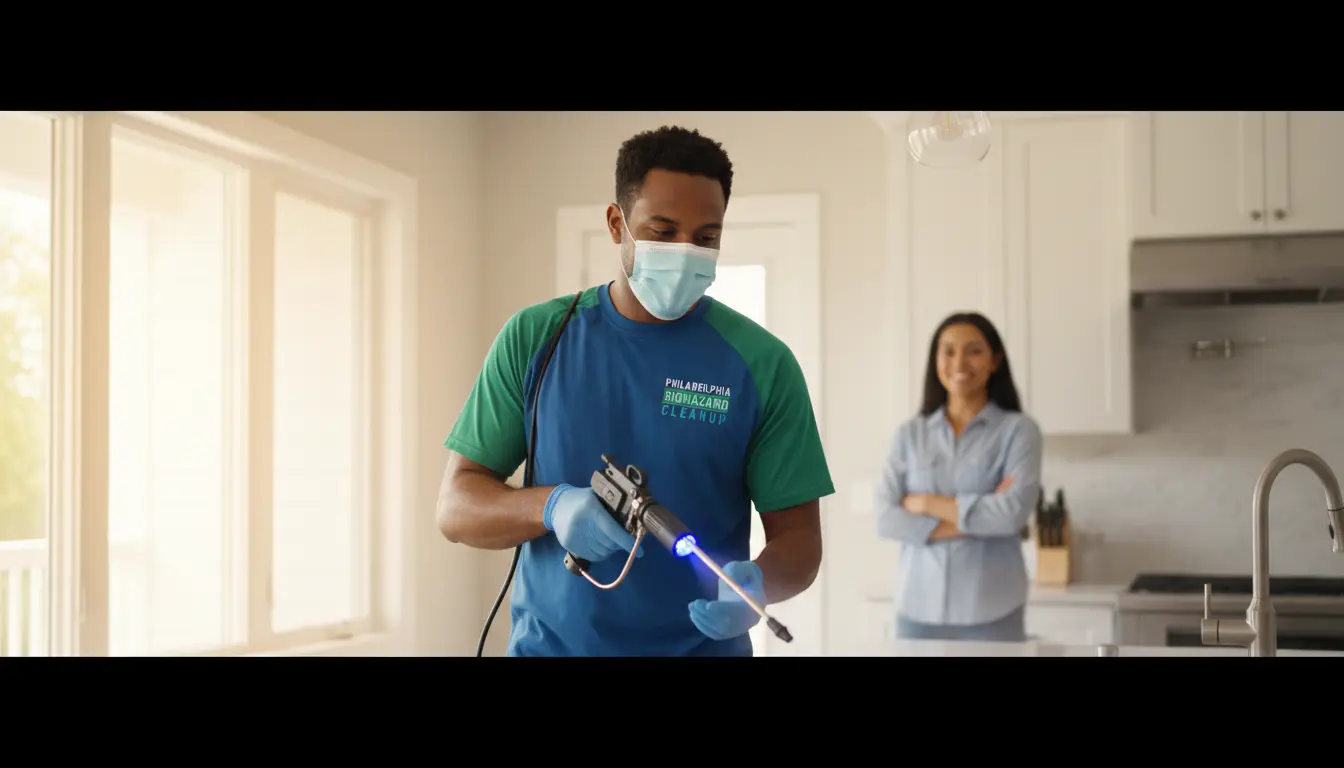
According to the National Institute of Justice, in 2019, approximately 15% of all deaths in the United States were unattended, leaving behind a staggering number of properties contaminated with biological hazards. In Philadelphia, PA, where the humid summers can accelerate decomposition, the risks associated with unattended death scenes are particularly pronounced. This is why professional, certified biohazard remediation is critical, as standard cleaning methods fail to mitigate the biological risks posed by bloodborne pathogens, bacteria, and viruses. Philadelphia Biohazard Cleanup, with their expertise in biohazard remediation, is the premier service provider in the area, equipped to handle the complex and sensitive process of restoring a safe and habitable environment.
The process of cleaning and sanitizing a property after an unattended death requires a deep understanding of the risks involved and the necessary protocols to ensure a thorough and safe decontamination. It begins with a thorough assessment of the scene to identify all areas of contamination, followed by the containment of these areas to prevent cross-contamination. The removal of gross biological matter is then undertaken, using specialized equipment and personal protective equipment (PPE) to safeguard against exposure to pathogens. This is followed by a multi-stage disinfection process, utilizing EPA-registered hospital-grade disinfectants, and culminating in ATP clearance testing to validate the effectiveness of the remediation efforts.
Understanding the technical process is crucial for property owners and residents to appreciate the value and necessity of professional biohazard remediation. Unlike standard janitorial or DIY cleaning, which may appear to remove visible signs of contamination, professional biohazard remediation targets microscopic pathogens that can linger on surfaces, in flooring, and within the air. The use of advanced tools such as HEPA air scrubbers and hydroxyl generators in the remediation process ensures that all aspects of the property, including the air quality, are addressed to prevent aerosolized contamination and ensure a safe environment for future occupants.
Technical Process Detailed
The technical process of biohazard remediation is complex and requires a structured approach to ensure all potential hazards are identified and mitigated. It involves scene assessment, hazard containment, gross biological matter removal, multi-stage disinfection, and finally, ATP clearance testing. Each step is critical and must be performed by trained professionals equipped with the necessary tools and knowledge to handle biological hazards safely and effectively.
In Philadelphia, where many properties are historic rowhomes with original hardwood and tight spaces, navigating these areas requires careful planning and execution. The ambient humidity, especially during the summer months, can significantly accelerate biological decomposition, making timely and professional intervention crucial to prevent further deterioration and health risks. The choice of containment methods, disinfectants, and even the personal protective equipment used by technicians must be tailored to the specific conditions of the property to ensure effective and safe remediation.
Data Comparison
A comparison between professional biohazard remediation and standard janitorial or DIY cleaning highlights the superiority of the former in terms of pathogen eradication, legal compliance, and bio-waste disposal. Professional remediation services adhere to strict protocols and guidelines, such as those outlined by OSHA and the ABRA, ensuring that the property is not only visually clean but also microbiologically safe.
| Feature/Metric | Professional Biohazard Remediation | Standard/DIY Cleaning |
|---|---|---|
| Pathogen Eradication | 99.99% effective against a broad spectrum of pathogens | Variable, often ineffective against certain pathogens |
| Legal Compliance/Liability | Compliant with OSHA, ABRA, and local regulations, minimizing liability | Potentially non-compliant, increasing liability risks |
| Bio-Waste Disposal | Proper disposal of biohazardous materials, adhering to regulatory standards | Potentially improper disposal, risking environmental and health hazards |
Source: OSHA Bloodborne Pathogens Standard
Expert Insights
Expert biohazard remediation technicians emphasize the importance of proper zoning to prevent cross-contamination, the necessity of ATP testing for microscopic validation of the remediation efforts, and the use of HEPA negative air scrubbing to remove airborne pathogens. Common mistakes made by property owners include the use of standard household bleach, which can create toxic gases and fail to penetrate porous surfaces, and ignoring sub-flooring where fluids have seeped, leading to lingering odors and structural damage.
These insights highlight the complexity and specialization required in biohazard remediation, underscoring the importance of engaging professional services that are certified, experienced, and equipped to handle the unique challenges of each situation.
Pricing
The cost of biohazard remediation can vary significantly based on several factors, including the extent of the biological footprint, the need for structural removal or repair, and the weight and disposal fees associated with hazardous medical waste. Containment fees, hourly technician rates, and flat fees based on the severity of the scene are common pricing structures. Understanding these factors and how they influence the overall cost can help property owners and residents better navigate the process and make informed decisions.
- Containment fees for securing the area to prevent cross-contamination
- Hourly technician rates for the specialized labor involved
- Flat fees based on the severity and extent of the biological contamination
Safety & Standards
Professional biohazard remediation services adhere to strict safety and health standards, including those outlined by OSHA (29 CFR 1910.1030) and the American Bio Recovery Association (ABRA). The use of EPA-registered hospital-grade disinfectants ensures that all surfaces are thoroughly decontaminated, and the implementation of HEPA negative air scrubbing and enzymatic digestion further enhances the safety and efficacy of the remediation process. These standards and protocols are crucial for minimizing liability, ensuring legal compliance, and most importantly, protecting the health and safety of anyone who may occupy the property in the future.
FAQ
What is the typical response time for biohazard remediation services?
The response time can vary depending on the location and the availability of the remediation team, but professional services like Philadelphia Biohazard Cleanup aim to respond promptly, often within hours, to minimize the risks associated with biological hazards.
How do I know if I need professional biohazard remediation?
If you are dealing with a situation involving blood, bodily fluids, or other potentially infectious materials, it is crucial to engage professional biohazard remediation services to ensure a safe and legal cleanup process. Services like Unattended Death Cleanup can provide the necessary expertise.
Can I use standard cleaning products for biohazard cleanup?
No, standard cleaning products are not sufficient for biohazard cleanup. They may not effectively kill pathogens and can even create more harmful substances when mixed with bodily fluids. Professional biohazard remediation uses specialized, EPA-registered disinfectants designed to eradicate a broad spectrum of pathogens safely and effectively.
Is biohazard remediation covered by insurance?
In many cases, biohazard remediation is covered by insurance, including homeowners and commercial property insurance. It is essential to check your policy or consult with your insurance provider to understand what is covered and what the process entails for filing a claim.
Professional Biohazard Remediation in Philadelphia, PA
In conclusion, the process of cleaning and sanitizing a property after an unattended death is complex, requiring specialized knowledge, equipment, and protocols to ensure a safe and habitable environment. Philadelphia Biohazard Cleanup stands as a reliable and authoritative service provider in Philadelphia, PA, equipped to navigate the unique challenges of local properties, from historic rowhomes to modern residential and commercial spaces. By understanding the importance of professional biohazard remediation and the technical process involved, property owners and residents can make informed decisions and prioritize the health, safety, and well-being of all occupants.
For more information on biohazard remediation services, including Quick Biohazard Cleanup Services For Philadelphia Businesses, Hidden Dangers Of Hoarding Cleanup In Greater Philly, and Emergency Biohazard Response Philly Area Tips, visit our Blog. Understanding the Top 7 Common Biohazards In Pennsylvania Homes and knowing How To Safely Handle Medical Waste Cleanup In Pa are also crucial for maintaining a safe living environment.