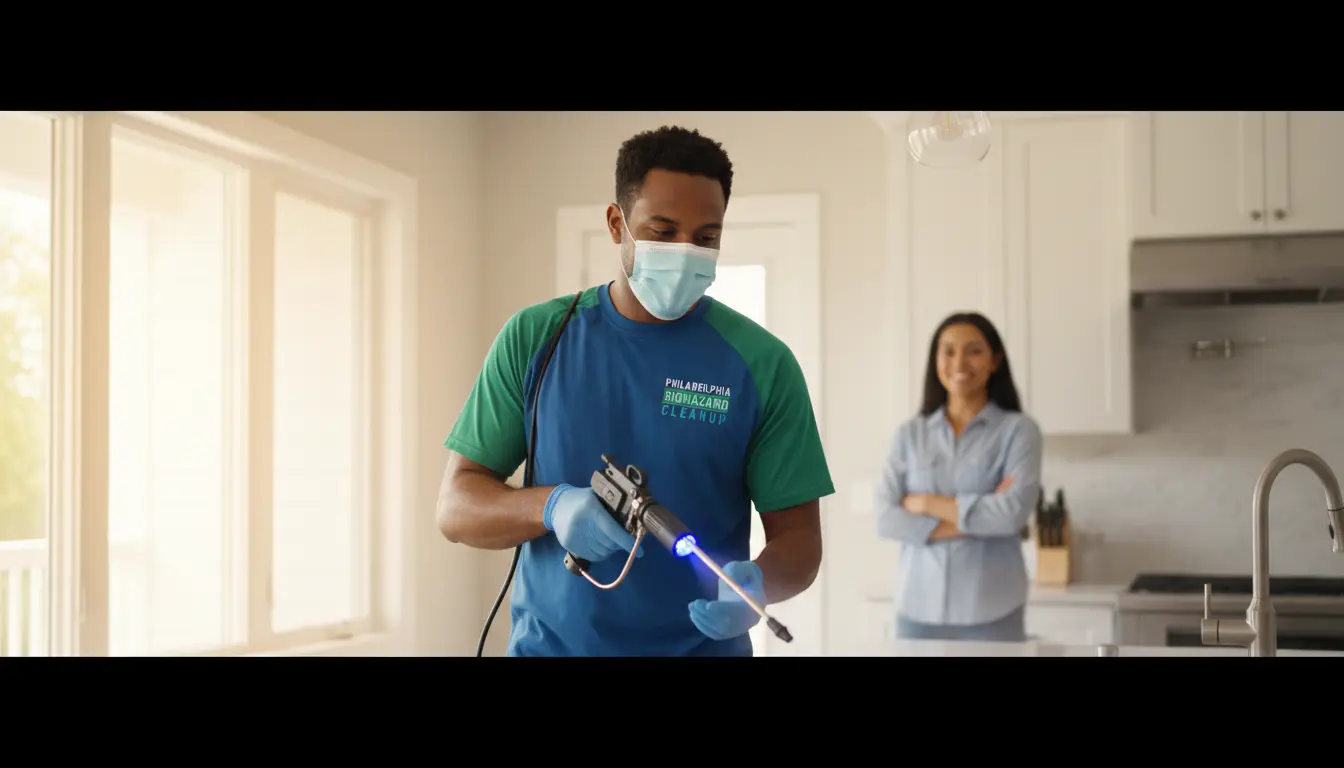
In the aftermath of a traumatic event or biological hazard, property owners in Philadelphia, PA, often find themselves facing a daunting and costly challenge: how to safely and effectively dispose of contaminated materials. The consequences of improper handling can be severe, ranging from lingering health risks to significant financial burdens. In fact, the average cost of biohazard remediation can exceed $10,000, with some cases reaching upwards of $50,000 or more. Moreover, standard cleaning methods are woefully inadequate for mitigating biological risks, and the use of untrained personnel can lead to further contamination and increased liability.
Professional biohazard remediation is critical in such situations, and Philadelphia Biohazard Cleanup is the premier service provider in the area. With years of experience and a team of certified experts, they possess the necessary knowledge and equipment to ensure a safe and sanitized environment. Their services include crime scene cleanup, hoarding cleanup, and unattended death remediation, all of which are tailored to meet the unique needs of each client.
The importance of certified biohazard remediation cannot be overstated. In Philadelphia, PA, the humid summers can aggressively accelerate biological decomposition, while the historic rowhomes with porous original hardwood and tight spaces pose significant challenges for containment and cleaning. Local regulations regarding biomedical waste transport also necessitate a deep understanding of the relevant laws and protocols. By choosing a reputable and experienced provider like Philadelphia Biohazard Cleanup, property owners can ensure that their premises are restored to a safe and habitable state, minimizing the risk of future health problems and financial liabilities.
Technical Process
The professional biohazard remediation workflow involves a meticulous, step-by-step approach to ensure thorough decontamination and restoration. This begins with a comprehensive scene assessment, where trained technicians identify potential hazards and develop a tailored remediation plan. Hazard containment and zoning are then implemented to prevent cross-contamination, using equipment such as HEPA air scrubbers and hydroxyl generators to create a safe working environment.
Gross biological matter removal is a critical component of the process, requiring specialized tools and personal protective equipment (PPE) to minimize exposure risks. Multi-stage disinfection is then performed, utilizing EPA-registered hospital-grade disinfectants to eradicate pathogens. Finally, ATP clearance testing is conducted to validate the effectiveness of the remediation efforts, providing microscopic validation of the results.
Local variables such as navigating narrow rowhome layouts and ambient humidity affecting decomposition are carefully considered during the remediation process. By understanding these factors, technicians can adapt their methods to ensure optimal results, whether it involves specialized containment methods or the use of targeted disinfection protocols.
Data Comparison Table
When comparing professional biohazard remediation to standard janitorial or DIY cleaning, the differences are stark. The following table highlights the key advantages of professional remediation:
| Feature/Metric | Professional Biohazard Remediation | Standard/DIY Cleaning |
|---|---|---|
| Pathogen Eradication | 99.99%+ effectiveness | Often incomplete or ineffective |
| Legal Compliance/Liability | Full compliance with OSHA and local regulations | Potential for non-compliance and increased liability |
| Bio-Waste Disposal | Proper disposal and documentation | Often improper or incomplete disposal |
Source: OSHA Bloodborne Pathogens Standard
Expert Insights
Proper zoning to prevent cross-contamination is a critical aspect of biohazard remediation. By isolating the affected area and creating a safe perimeter, technicians can minimize the risk of further contamination and ensure a more effective remediation process. The necessity of ATP testing for microscopic validation is also essential, as it provides a quantitative measure of the remediation efforts and ensures that the area is safe for reoccupation.
Common mistakes property owners make during biohazard cleanup include using standard household bleach on blood, which can create toxic gases and fail to penetrate porous surfaces. Ignoring sub-flooring where fluids have seeped is another critical error, as it can lead to lingering odors, structural damage, and severe health risks. By understanding these potential pitfalls, property owners can take steps to avoid them and ensure a safe and effective remediation process.
Pricing
The cost of biohazard remediation can vary significantly depending on several factors, including the extent of the biological footprint, hazardous medical waste disposal weight/fees, and structural removal needs. Containment fees, hourly technician rates, and flat fees based on the severity of the scene are all potential pricing structures. By understanding these factors and working with a reputable provider, property owners can better anticipate and manage the costs associated with biohazard remediation.
- Containment fees: $500-$2,000
- Hourly technician rates: $100-$300 per hour
- Flat fees: $2,000-$10,000 or more, depending on the severity of the scene
Safety & Standards
Certifications such as ABRA and OSHA standard 29 CFR 1910.1030 are essential for ensuring that biohazard remediation technicians are properly trained and equipped to handle complex and hazardous situations. The use of EPA-registered hospital-grade disinfectants is also critical, as it provides a high level of effectiveness against a broad spectrum of pathogens. By prioritizing safety and adhering to relevant standards and protocols, property owners can minimize the risks associated with biohazard remediation and ensure a safe and healthy environment.
FAQ Section
What is the typical response time for biohazard remediation services?
The typical response time for biohazard remediation services can vary depending on the location and severity of the situation. However, most reputable providers aim to respond within 1-2 hours of initial contact. This rapid response is critical in minimizing the risks associated with biohazardous materials and ensuring a safe and effective remediation process.
Are biohazard remediation services covered by insurance?
In many cases, biohazard remediation services are covered by insurance, either in whole or in part. However, the specifics of coverage can vary significantly depending on the policy and provider. It is essential to review your insurance policy and consult with your provider to determine the extent of coverage and any potential out-of-pocket expenses.
What safety protocols are in place to protect technicians and occupants during biohazard remediation?
Reputable biohazard remediation providers prioritize the safety of both technicians and occupants through the use of personal protective equipment (PPE), containment protocols, and rigorous disinfection procedures. These measures are designed to minimize exposure risks and ensure a safe working environment. By choosing a certified and experienced provider, property owners can trust that their premises are being remediated in a safe and responsible manner.
Can I perform biohazard remediation myself, or is it necessary to hire a professional?
While it may be tempting to attempt biohazard remediation yourself, it is highly recommended that you hire a professional provider. Biohazardous materials pose significant health risks, and improper handling can lead to further contamination, liability, and financial burdens. Professional biohazard remediation technicians possess the necessary training, equipment, and expertise to ensure a safe and effective remediation process, minimizing the risks associated with biohazardous materials and restoring your premises to a safe and habitable state.
Professional Biohazard Remediation in Philadelphia, PA
In conclusion, the importance of professional biohazard remediation in Philadelphia, PA, cannot be overstated. By choosing a reputable and experienced provider like Philadelphia Biohazard Cleanup, property owners can ensure that their premises are restored to a safe and habitable state, minimizing the risk of future health problems and financial liabilities. With their team of certified experts, state-of-the-art equipment, and commitment to safety and excellence, Philadelphia Biohazard Cleanup is the premier choice for biohazard remediation services in the Philadelphia area. For more information on their services, including quick biohazard cleanup services for Philadelphia businesses, hidden dangers of hoarding cleanup in Greater Philly, and emergency biohazard response tips for the Philly area, please visit their website or contact them directly at (215) 484-0325.
As a property owner in Philadelphia, PA, it is essential to prioritize the safety and well-being of your occupants and the community at large. By understanding the importance of professional biohazard remediation and choosing a reputable provider, you can minimize the risks associated with biohazardous materials and ensure a safe and healthy environment. Remember, the consequences of improper handling can be severe, and the benefits of professional remediation far outweigh the costs. Don’t hesitate to reach out to Philadelphia Biohazard Cleanup for all your biohazard remediation needs.
For additional resources and information on biohazard remediation, please visit our blog or contact our team directly. We are committed to providing the highest level of service and expertise in the industry, and we look forward to serving your needs.