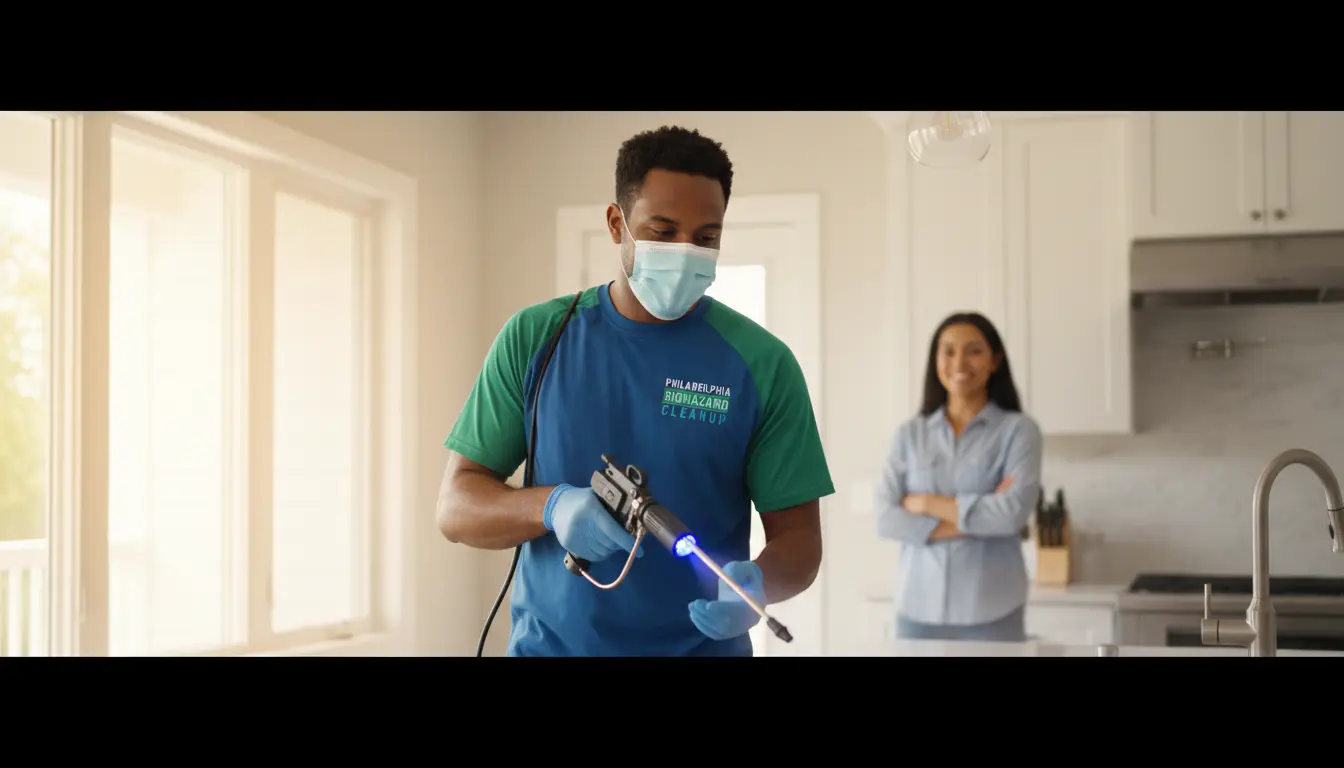
Biohazard remediation refers to the process of removing and disposing of biological contaminants, such as blood, bodily fluids, and other potentially infectious materials, from a scene or environment. This is distinct from standard cleaning, which may not address the underlying health risks associated with biohazards. In Philadelphia, PA, where historic rowhomes and tight spaces can exacerbate biological decomposition, professional biohazard remediation is crucial to prevent the spread of diseases and ensure public health safety.
The importance of certified biohazard remediation cannot be overstated, as it requires specialized training, equipment, and protocols to effectively mitigate biological risks. Standard cleaning methods, on the other hand, may only scratch the surface, leaving behind residual contaminants that can pose serious health threats. Philadelphia Biohazard Cleanup, as a premier service provider in the area, understands the complexity of biohazard remediation and the need for a meticulous approach to restore a safe and habitable environment.
In urban environments like Philadelphia, the risk of biohazard exposure is heightened due to the proximity of residents and the potential for rapid decomposition in humid summers. Moreover, the prevalence of historic rowhomes with porous original hardwood and tight spaces demands a tailored approach to biohazard remediation, taking into account local conditions and regulations. By choosing a certified and experienced provider like Philadelphia Biohazard Cleanup, property owners can ensure that their space is not only cleaned but also sanitized and safe for occupation.
Technical Process
A professional biohazard remediation workflow involves a step-by-step process, starting with scene assessment and hazard containment/zoning. This is followed by gross biological matter removal, multi-stage disinfection, and ATP clearance testing to validate the eradication of pathogens. The use of specialized tools, such as HEPA air scrubbers and hydroxyl generators, is critical in preventing aerosolized contamination and ensuring the molecular breakdown of pathogens.
In Philadelphia, navigating narrow rowhome layouts and addressing ambient humidity’s effect on decomposition are key considerations. The chosen containment methods must be tailored to these local variables to prevent cross-contamination and ensure effective remediation. For instance, the use of trauma scene decontamination services can be crucial in such scenarios, providing a comprehensive approach to biohazard cleanup.
Data Comparison
When comparing professional biohazard remediation to standard janitorial or DIY cleaning, several key differences emerge. The following table highlights some of these differences:
| Feature/Metric | Professional Biohazard Remediation | Standard/DIY Cleaning |
|---|---|---|
| Pathogen Eradication | 99.99% eradication rate through specialized protocols and equipment | Variable and often incomplete removal of pathogens, potentially leaving behind biohazards |
| Legal Compliance/Liability | Full compliance with OSHA and local regulations, minimizing liability | Potential non-compliance and increased liability due to lack of specialized training and equipment |
| Bio-Waste Disposal | Proper disposal of biohazardous materials according to regulations | Potentially improper disposal, leading to environmental and health hazards |
Source: OSHA Bloodborne Pathogens Standard
Expert Insights
For effective biohazard remediation, it’s essential to follow expert guidelines and avoid common mistakes. One critical tip is proper zoning to prevent cross-contamination, which involves isolating the contaminated area to prevent the spread of pathogens to other parts of the property. Another important consideration is the necessity of ATP testing for microscopic validation of pathogen eradication. This ensures that the remediation efforts have been effective in removing all biological contaminants.
A common mistake property owners make is using standard household bleach on blood, which not only fails to penetrate porous surfaces effectively but also creates toxic gases. Ignoring sub-flooring where fluids have seeped is another oversight, as it can lead to lingering odors, structural damage, or severe health risks. For more information on the common biohazards found in Pennsylvania homes, and how to address them, it’s essential to consult with a professional biohazard remediation service.
Pricing
The cost of biohazard remediation services can vary widely depending on several factors, including:
- Containment fees, which depend on the complexity of the scene and the equipment required
- Hourly technician rates, which can vary based on the level of expertise and the time required for the job
- Flat fees based on the severity of the scene, which can range from minor incidents to extensive biohazard contaminations
Understanding these factors and how they influence the final cost is crucial for property owners to make informed decisions about their biohazard remediation needs. For businesses in Philadelphia, quick biohazard cleanup services can be particularly beneficial in minimizing downtime and ensuring a safe working environment.
Safety & Standards
Certifications such as those offered by the American Bio Recovery Association (ABRA) and compliance with OSHA standard 29 CFR 1910.1030 are essential for any biohazard remediation service. The use of EPA-registered hospital-grade disinfectants further ensures the effectiveness of the remediation process. These standards and certifications are not just about regulatory compliance; they are critical for protecting the health of current and future building occupants and for minimizing liability.
In the context of medical waste cleanup in PA, understanding and adhering to these standards is particularly important due to the high risk of pathogen transmission and the need for specialized handling and disposal of medical waste.
FAQ Section
What is the typical response time for biohazard remediation services?
The response time for biohazard remediation services can vary depending on the location and the severity of the incident. However, professional services like Philadelphia Biohazard Cleanup aim to respond quickly, often within hours, to minimize the risk of further contamination and health hazards. The prompt response is crucial in urban environments where the risk of exposure is higher due to population density.
How do I know if I need biohazard cleanup services?
Determining the need for biohazard cleanup services can be challenging, especially for those unfamiliar with the signs of biohazard contamination. Generally, if a scene involves blood, bodily fluids, or other potentially infectious materials, it’s best to consult a professional. For a comprehensive guide on signs you need biohazard cleanup in Philadelphia, it’s advisable to refer to expert resources.
Are biohazard remediation services covered by insurance?
Insurance coverage for biohazard remediation services varies depending on the policy and the circumstances of the incident. It’s essential to check with your insurance provider to understand what is covered and what is not. In many cases, especially involving traumatic events, biohazard cleanup may be covered as part of the overall cleanup and restoration process.
What safety protocols do biohazard remediation technicians follow?
Biohazard remediation technicians follow strict safety protocols to protect themselves and others from biohazard exposure. These protocols include the use of personal protective equipment (PPE), adherence to containment procedures, and careful handling and disposal of biohazardous materials. For more information on emergency biohazard response in the Philly area, consulting with a professional service can provide detailed insights into safety measures and response strategies.
Professional Biohazard Remediation in Philadelphia, PA
In conclusion, the importance of professional biohazard remediation in Philadelphia, PA, cannot be overstated. Given the unique challenges posed by the city’s environment and the potential health risks associated with biohazards, choosing a certified and experienced provider like Philadelphia Biohazard Cleanup is crucial. By understanding the technical process, comparing professional remediation to standard cleaning, and recognizing the value of expert insights and adherence to safety standards, property owners can make informed decisions about their biohazard remediation needs.
Philadelphia Biohazard Cleanup stands as the premier choice for biohazard cleanup services in Philadelphia, PA, offering a comprehensive, reliable, and compassionate approach to restoring safe and habitable environments. Whether you’re dealing with the aftermath of a trauma incident, hoarding cleanup, or any other biohazard situation, trusting a professional service is the first step towards recovery and peace of mind.