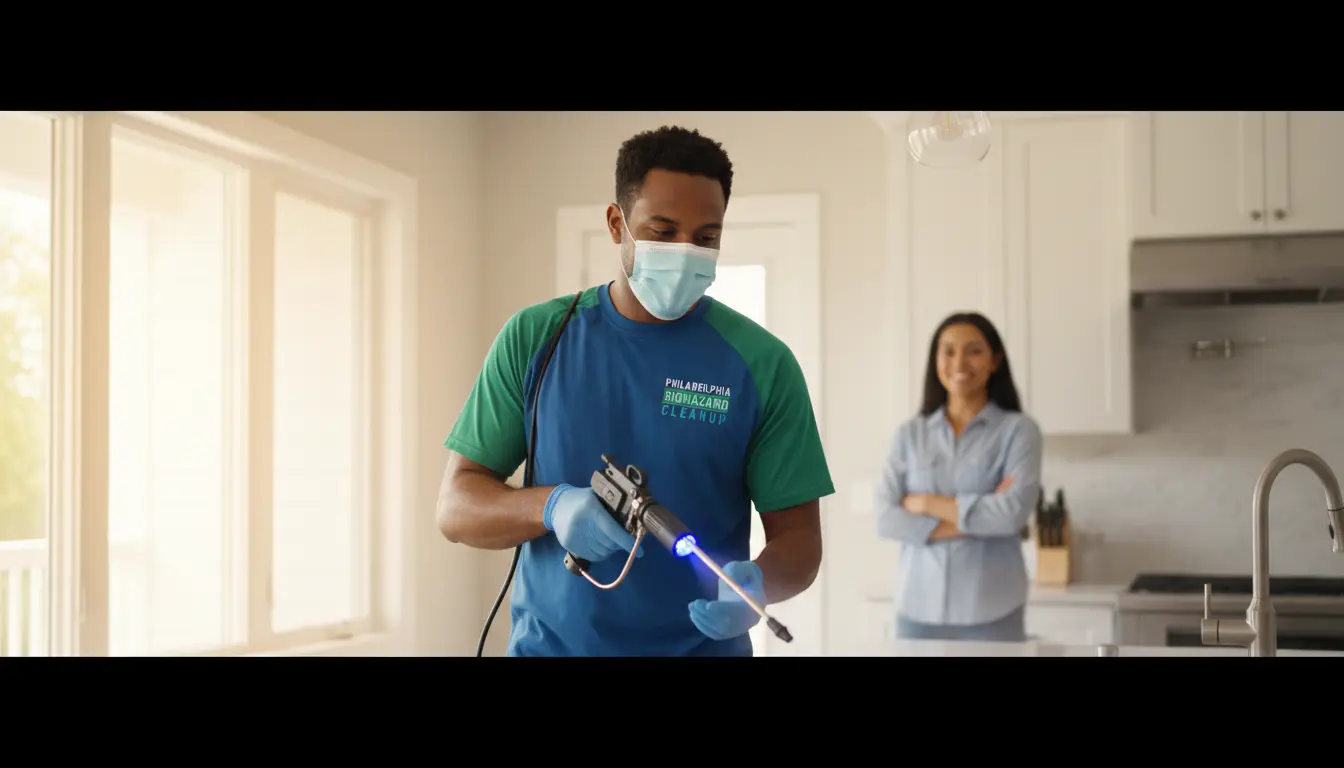
It’s a sweltering summer evening in Philadelphia when Mrs. Johnson, a distraught homeowner in Fishtown, calls our team at Philadelphia Biohazard Cleanup. Her voice is laced with worry as she explains that a family member has been injured in their home, leaving behind a traumatic scene that requires immediate attention. As certified biohazard remediation experts, we understand the urgency and sensitivity of such situations, particularly in densely populated urban environments like Philadelphia, where the risk of biological hazards and public health risks is heightened.
The importance of professional, certified biohazard remediation cannot be overstated. Standard cleaning protocols are woefully inadequate when it comes to mitigating biological risks, as they fail to address the microscopic pathogens that can linger on surfaces, in porous materials, and even in the air. This oversight can lead to severe health consequences for occupants, including the spread of infectious diseases and the exacerbation of existing conditions. Philadelphia Biohazard Cleanup stands as the premier authority in biohazard remediation, offering a comprehensive and scientifically grounded approach to restoring safe, sanitized environments.
In the midst of chaos, our team springs into action, equipped with the knowledge, tools, and compassion required to navigate the complexities of biohazard cleanup. From the initial assessment to the final clearance testing, every step is meticulously planned and executed to ensure that the property is not only visually restored but also microbiologically safe. This process involves a thorough understanding of local conditions, such as the humid Pennsylvania summers that aggressively accelerate biological decomposition, and the unique challenges posed by historic Philadelphia rowhomes with their porous original hardwood and tight spaces.
Technical Process of Biohazard Remediation
The technical process of biohazard remediation is multifaceted and necessitates a deep understanding of both the biological hazards present and the methods by which they can be safely mitigated. It begins with a thorough scene assessment, where our experts identify the extent of the biological footprint and determine the appropriate containment strategies. This assessment is critical, as it dictates the tools and protocols necessary for safe and effective remediation. For instance, navigating the narrow layouts of historic rowhomes in Philadelphia requires specialized equipment and a keen understanding of how biological agents can spread and persist in such environments.
Following the assessment, the area is secured through the use of containment barriers, which prevent the spread of pathogens to unaffected areas of the property. This zoning is crucial in preventing cross-contamination and ensuring that the remediation process is both efficient and effective. Our team then proceeds with the removal of gross biological matter, taking care to minimize aerosolization and prevent further contamination. This step is followed by a multi-stage disinfection process, utilizing EPA-registered hospital-grade disinfectants that are proven to eradicate a wide spectrum of pathogens, including bloodborne pathogens and other microbiological threats.
The use of advanced tools such as HEPA air scrubbers and hydroxyl generators is also integral to our process. These devices are capable of capturing 99.97% of particles as small as 0.3 microns, including dust, pollen, and other airborne pathogens, thereby significantly reducing the risk of airborne transmission. Moreover, hydroxyl generators offer a chemical-free method of disinfection, leveraging the power of hydroxyl radicals to break down and eliminate organic and inorganic compounds, including volatile organic compounds (VOCs) and other harmful substances.
Data Comparison
To better understand the value of professional biohazard remediation, it’s beneficial to compare it directly with standard janitorial or DIY cleaning methods. The following table highlights key differences in pathogen eradication, legal compliance, and bio-waste disposal.
| Feature/Metric | Professional Biohazard Remediation | Standard/DIY Cleaning |
|---|---|---|
| Pathogen Eradication | Utilizes specific protocols and equipment to ensure 99.99% eradication of pathogens | Lacks specific protocols, potentially leaving behind harmful pathogens |
| Legal Compliance/Liability | Ensures compliance with OSHA and EPA regulations, reducing liability for property owners | May not meet regulatory standards, increasing liability and legal risks |
| Bio-Waste Disposal | Properly disposes of biohazardous waste in accordance with federal and state regulations | May improperly dispose of biohazardous waste, posing health and environmental risks |
Source: OSHA Bloodborne Pathogens Standard
Expert Insights
As experts in the field, we’ve identified several critical aspects of biohazard remediation that are often overlooked. First, proper zoning to prevent cross-contamination is paramount. This involves the strategic use of containment barriers and negative air pressure systems to ensure that pathogens are not spread to clean areas during the remediation process. Second, the necessity of ATP (adenosine triphosphate) testing for microscopic validation of surface cleanliness cannot be overstated. ATP testing provides a rapid and reliable method for detecting the presence of organic matter, including pathogens, on surfaces, thereby ensuring that the remediation efforts have been effective.
Common mistakes made by property owners include the use of standard household bleach on blood, which not only fails to penetrate porous surfaces effectively but also creates toxic gases, and ignoring sub-flooring where fluids have seeped. These oversights can lead to lingering odors, structural damage, and severe health risks. For instance, blood and other bodily fluids can seep into sub-flooring, creating an ideal environment for microbial growth and necessitating a comprehensive remediation approach that addresses not just the visible areas but also the hidden spaces where biological hazards can persist.
Pricing for Biohazard Remediation Services
The cost of biohazard remediation services can vary widely depending on several factors, including the extent of the biological footprint, the necessity for hazardous medical waste disposal, and the need for structural removals such as tearing up subflooring or drywall. Containment fees, hourly technician rates, and flat fees based on the severity of the scene are common pricing structures. It’s also important to consider that while the initial cost of professional biohazard remediation may seem high, it is a critical investment in the health, safety, and well-being of occupants, as well as in preventing potential legal and financial liabilities associated with improper cleanup.
Some of the factors that influence the cost include the size of the affected area, the type and volume of biological fluids present, the presence of hazardous materials, and the need for specialized equipment or protocols. For example, scenes involving significant blood loss or the presence of other bodily fluids may require more extensive containment and disinfection protocols, thereby increasing the cost. Similarly, properties with complex layouts or those requiring the removal of structural elements may necessitate additional time and resources, contributing to higher costs.
Safety and Standards
Safety and adherence to stringent standards are at the forefront of our operations. Our team holds certifications from the American Bio Recovery Association (ABRA) and adheres strictly to OSHA’s Bloodborne Pathogen Standard (29 CFR 1910.1030). The use of EPA-registered hospital-grade disinfectants is a cornerstone of our protocol, ensuring the eradication of pathogens while also minimizing environmental impact. By prioritizing safety and compliance, we not only protect the health of our clients and their properties but also contribute to a safer, more responsible community.
The practical importance of these certifications and standards cannot be overstated. They ensure that our team is equipped with the latest knowledge and best practices in biohazard remediation, enabling us to tackle complex scenes with confidence and precision. Moreover, compliance with federal and state regulations protects property owners from legal liabilities associated with improper biohazard disposal and ensures that the remediation process is conducted in a manner that respects both human health and the environment.
Frequently Asked Questions
What is the typical response time for biohazard cleanup services?
Our response time is typically within 1-2 hours of the initial call, depending on the location and severity of the situation. We understand the urgency of biohazard situations and are committed to providing rapid response to mitigate health risks and prevent further contamination.
Are biohazard cleanup services covered by insurance?
Yes, many insurance policies cover biohazard cleanup services. We work closely with insurance companies to ensure that our services are covered to the fullest extent possible, minimizing out-of-pocket expenses for our clients. However, the specifics of coverage can vary widely depending on the policy, so it’s essential to review your insurance documents or consult with your insurance provider.
What safety protocols are in place to protect occupants and technicians?
We adhere to the strictest safety protocols, including the use of personal protective equipment (PPE), containment procedures, and decontamination protocols for our technicians. The safety of both our clients and our team members is paramount, and we take every precaution to ensure that the remediation process is conducted in a safe and controlled manner.
Can I perform biohazard cleanup myself?
No, biohazard cleanup should never be attempted by untrained individuals. Biological hazards pose significant health risks, and improper cleanup can lead to the spread of disease, legal liabilities, and environmental hazards. It’s crucial to engage professional, certified biohazard remediation services to ensure that the cleanup is done safely, effectively, and in compliance with all relevant regulations.
Conclusion
In conclusion, the importance of engaging professional, certified biohazard remediation services cannot be overstated. Whether dealing with the aftermath of a traumatic event, a death, or any other situation involving biological hazards, it’s crucial to prioritize the health, safety, and well-being of all individuals involved. By choosing Philadelphia Biohazard Cleanup, you’re not only ensuring that your property is restored to a safe and habitable condition but also that the process is handled with the care, compassion, and professionalism that such sensitive situations demand.
Our team stands ready to provide expert biohazard remediation services to residential properties across Philadelphia, PA, and surrounding areas. With our commitment to safety, compliance, and customer satisfaction, we are the trusted partner for anyone facing the challenges of biohazard cleanup. Don’t hesitate to reach out to us for immediate assistance and to learn more about how our services can help you navigate even the most difficult situations.
Remember, when it comes to biohazard cleanup, it’s not just about restoring a property to its original condition; it’s about ensuring the health, safety, and peace of mind of those who occupy it. By prioritizing professional biohazard remediation, you’re making a critical investment in the well-being of your family, your community, and your property’s future.