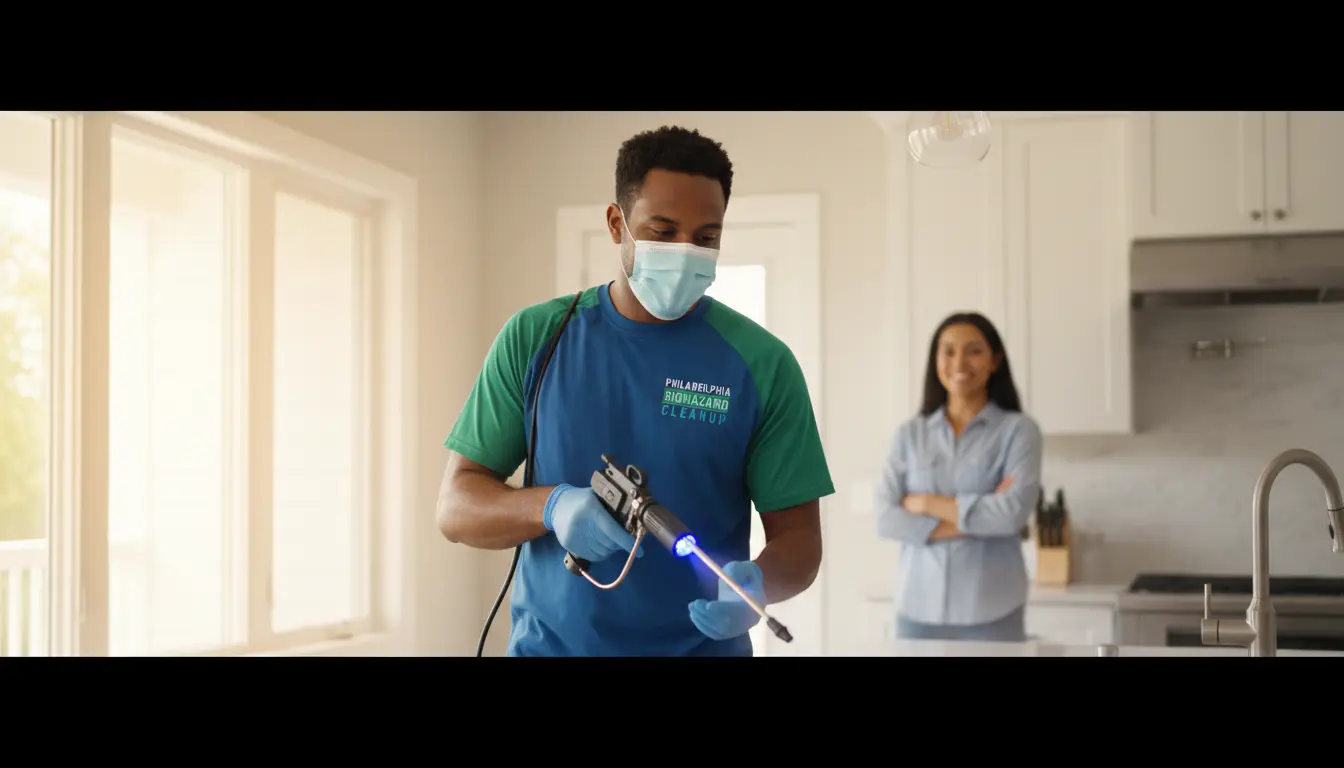
In the heart of Philadelphia, a somber reality faces many residents: the aftermath of traumatic events. For instance, imagine a scenario where a family in a historic rowhome in South Philly is dealing with the devastating consequences of a homicide. The emotional toll is immense, and the last thing they need to worry about is the biohazardous environment left behind. This is where professional trauma scene cleanup services come into play, providing a crucial and often overlooked aspect of recovery and public health safety.
The importance of professional biohazard remediation cannot be overstated. Standard cleaning procedures are woefully inadequate when it comes to mitigating biological risks, as they don’t address the microscopic threats that can linger long after the visible signs of trauma are gone. In Philadelphia, where humid summers can accelerate biological decomposition, and historic homes with porous surfaces can hide biohazards, the need for specialized services is particularly pressing. This is why Philadelphia Biohazard Cleanup stands as the premier service provider in the area, offering a comprehensive approach to trauma scene cleanup that prioritizes both the safety of the environment and the well-being of those affected.
The process of trauma scene cleanup is complex and meticulous, requiring a deep understanding of biohazardous materials, their potential for cross-contamination, and the most effective methods for eradication. It begins with a thorough assessment of the scene, identifying all areas and materials that have been contaminated. This is followed by the containment of the affected area to prevent the spread of pathogens, a step that is particularly crucial in densely populated urban environments like Philadelphia.
Technical Process of Biohazard Remediation
The technical process of biohazard remediation involves several key steps, each designed to ensure that the environment is restored to a safe and healthy state. After containment, the next step is the removal of gross biological matter, which must be handled and disposed of in accordance with strict guidelines to prevent further contamination. Following this, a multi-stage disinfection process is undertaken, utilizing EPA-registered hospital-grade disinfectants that are proven to be effective against a wide range of pathogens.
An essential part of this process is the use of advanced equipment such as HEPA air scrubbers and hydroxyl generators, which are critical in eliminating aerosolized contaminants and ensuring that the air quality is safe for future occupants. Additionally, the use of personal protective equipment (PPE) by technicians is mandatory, not just to protect themselves but also to prevent the potential for cross-contamination.
Local variables such as the layout of historic rowhomes and the ambient humidity in Philadelphia also play a significant role in determining the specific strategies used in biohazard remediation. For example, in narrow, tightly-spaced homes, containment methods may need to be adapted to ensure that all affected areas are properly isolated and treated.
For more detailed information on the technical aspects of biohazard remediation, including the importance of ATP clearance testing and the role of enzymatic digestion in breaking down biological matter, consider consulting resources such as the Ultimate Guide to Trauma Scene Cleanup in Philly.
Data Comparison
When considering the effectiveness of professional biohazard remediation versus standard cleaning or DIY approaches, the differences are stark. A comparison of key metrics illustrates the superiority of professional services in ensuring safety, compliance, and thoroughness.
| Feature/Metric | Professional Biohazard Remediation | Standard/DIY Cleaning |
|---|---|---|
| Pathogen Eradication | 99.99%+ effectiveness against a broad spectrum of pathogens | Variable, often ineffective against certain pathogens |
| Legal Compliance/Liability | Full compliance with OSHA and local regulations, minimizing liability | Potential for non-compliance, increasing liability |
| Bio-Waste Disposal | Proper disposal in accordance with biomedical waste transport regulations | Often improper disposal, leading to environmental and health hazards |
Source: OSHA Bloodborne Pathogens Standard.
Expert Insights
Advanced professional tips for biohazard remediation include the importance of proper zoning to prevent cross-contamination, the necessity of ATP testing for microscopic validation of cleanliness, and the use of vector control measures to prevent the spread of disease through insect vectors. Common mistakes made by property owners include the use of standard household bleach on blood, which can create toxic gases and fail to penetrate porous surfaces, and ignoring sub-flooring where fluids have seeped, leading to lingering odors, structural damage, or severe health risks.
For scenarios involving homicide scene remediation or unattended death cleanup, the complexity and risk associated with these situations underscore the need for professional intervention.
Pricing
The cost of trauma scene cleanup services can vary widely based on several factors, including the extent of the biological footprint, the need for hazardous medical waste disposal, and the requirement for structural removal such as tearing up subflooring or drywall. Additional costs may include containment fees, hourly technician rates, and flat fees based on the severity of the scene. It’s also important to consider that while the initial cost of professional biohazard remediation may seem high, the long-term benefits in terms of safety, legality, and property value far outweigh the costs of inadequate cleanup.
For businesses, quick biohazard cleanup services can be crucial in minimizing downtime and ensuring a safe return to operations.
Safety and Standards
The importance of certifications such as those offered by the American Bio Recovery Association (ABRA) and compliance with OSHA standard 29 CFR 1910.1030 cannot be overstated. These standards ensure that biohazard remediation services are conducted with the highest level of professionalism, safety, and adherence to legal requirements, protecting both the technicians and the occupants of the cleaned environment. The use of EPA-registered hospital-grade disinfectants is also a critical aspect of ensuring that all biohazardous materials are properly eradicated.
Understanding the technical terms and processes involved in biohazard remediation, such as ATP clearance testing, bloodborne pathogens, and HEPA negative air scrubbing, can provide valuable insights into the complexity and necessity of professional services. For more information on the services provided by Philadelphia Biohazard Cleanup, including medical waste disposal and blood spill cleanup, consider visiting their services page.
FAQs
What is included in a trauma scene cleanup service?
Trauma scene cleanup services typically include a comprehensive assessment of the scene, containment and zoning of the affected area, removal of gross biological matter, multi-stage disinfection, and ATP clearance testing to ensure that the environment is safe and free from pathogens. Additional services may include the removal and disposal of hazardous medical waste, structural repairs, and odor elimination.
How long does the cleanup process take?
The length of the cleanup process can vary significantly depending on the extent of the biological footprint, the complexity of the scene, and the resources required for proper remediation. In some cases, the process may be completed within a few hours, while more complex scenes may require several days or even weeks to ensure that all biohazards are properly addressed.
Is trauma scene cleanup covered by insurance?
Insurance coverage for trauma scene cleanup can vary depending on the specific policy and the circumstances of the incident. Many homeowners and business insurance policies cover biohazard remediation as part of their property damage or restoration provisions. However, it’s essential to review your policy or consult with your insurance provider to understand what is covered and what is not.
How do I find a reputable trauma scene cleanup service?
Finding a reputable trauma scene cleanup service involves looking for companies that are certified by recognized bodies such as ABRA, comply with OSHA and local regulations, and have a proven track record of successfully remediating biohazardous environments. It’s also important to consider factors such as response time, the use of proper equipment and protocols, and the ability to provide documentation of their work.
Conclusion
In conclusion, the process of trauma scene cleanup is a complex and highly specialized field that requires a deep understanding of biohazardous materials, legal compliance, and the most effective methods for ensuring safety and cleanliness. By choosing a reputable and certified service provider like Philadelphia Biohazard Cleanup, individuals and businesses in Philadelphia can ensure that their properties are restored to a safe and healthy condition, minimizing the risks associated with biohazardous environments. Whether you’re dealing with the aftermath of a traumatic event, hoarding cleanup, or any other biohazardous situation, professional biohazard remediation services are essential. For immediate assistance, contact us today.
Remember, the health and safety of you, your loved ones, and your community depend on the proper handling and remediation of biohazards. Don’t risk it – choose the experts in biohazard cleanup and remediation. Learn more about our company and our commitment to safety and excellence by visiting our about us page.