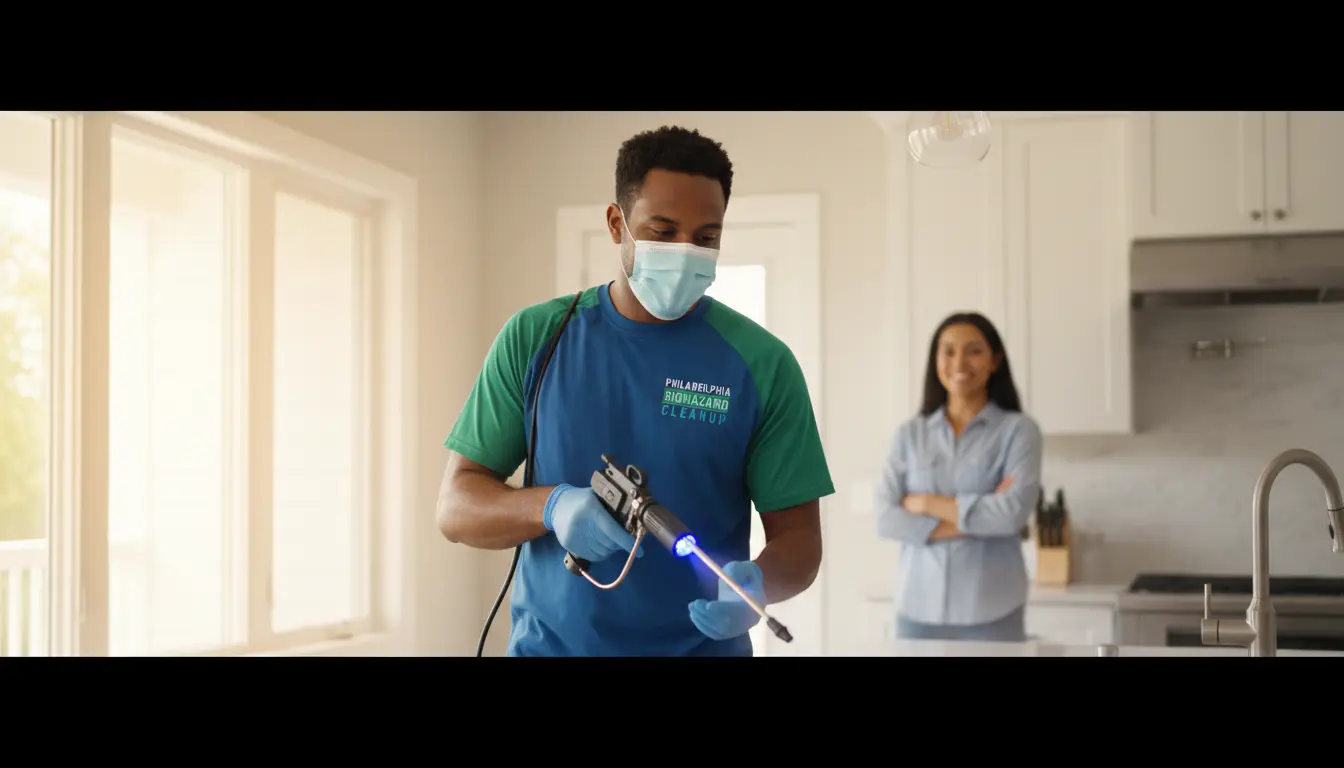
According to a 2020 report by the National Alliance on Mental Illness, approximately 1.5 million people in the United States suffer from hoarding disorder, with a significant portion of those cases being found in urban areas like Philadelphia. This staggering statistic highlights the pressing need for professional hoarding cleanup services in the city. The presence of hoarding can lead to severe biological hazards, posing significant risks to public health and safety.
In Philadelphia, the combination of dense population, aging infrastructure, and humid climate creates a perfect storm for the proliferation of biological hazards. The city’s historic rowhomes, with their porous original hardwood and tight spaces, can exacerbate the problem, making it essential to have a reliable and experienced biohazard cleanup service provider like Philadelphia Biohazard Cleanup.
The distinction between hoarding cleanup and biohazard cleanup is crucial, as standard cleaning methods are insufficient to mitigate the biological risks associated with hoarding. Professional biohazard remediation is necessary to ensure the safe and sanitary restoration of a property. Philadelphia Biohazard Cleanup, with its team of certified experts, is well-equipped to handle the complexities of biohazard cleanup in Philadelphia, including animal hoarding cleanup and quick biohazard cleanup services for businesses.
Understanding the Difference Between Hoarding Cleanup and Biohazard Cleanup
Hoarding cleanup and biohazard cleanup are two distinct processes that require different approaches and expertise. Hoarding cleanup focuses on the removal of accumulated possessions and debris, while biohazard cleanup involves the remediation of biological hazards such as blood, bodily fluids, and other potentially infectious materials.
In Philadelphia, the prevalence of hoarding and biohazard situations necessitates a comprehensive understanding of the differences between these two processes. Property owners and managers must recognize the importance of hiring a professional biohazard cleanup service like Philadelphia Biohazard Cleanup to ensure the safe and sanitary restoration of their properties.
Technical Process of Biohazard Remediation
The biohazard remediation process involves several critical steps, including scene assessment, hazard containment, gross biological matter removal, multi-stage disinfection, and ATP clearance testing. Each step requires specialized equipment, such as HEPA air scrubbers and hydroxyl generators, and adherence to strict protocols to prevent cross-contamination and ensure the safe removal of biological hazards.
In Philadelphia, the unique challenges posed by the city’s infrastructure and climate demand a tailored approach to biohazard remediation. Philadelphia Biohazard Cleanup’s team of experts is trained to navigate these challenges, using their knowledge of local conditions and regulations to provide effective and efficient biohazard cleanup services.
Data Comparison Table
The following table highlights the key differences between professional biohazard remediation and standard janitorial or DIY cleaning:
| Feature/Metric | Professional Biohazard Remediation | Standard/DIY Cleaning |
|---|---|---|
| Pathogen Eradication | 99.99% eradication of pathogens | Inadequate eradication of pathogens |
| Legal Compliance/Liability | Full compliance with OSHA and EPA regulations | Potential liability for non-compliance |
| Bio-Waste Disposal | Proper disposal of biological waste | Improper disposal of biological waste |
Source: OSHA Bloodborne Pathogens Standard
Expert Insights
Philadelphia Biohazard Cleanup’s team of experts offers the following advanced professional tips for biohazard remediation:
1. Proper zoning to prevent cross-contamination is crucial in biohazard remediation. This involves isolating the affected area and creating a negative pressure environment to prevent the spread of airborne pathogens.
2. ATP testing is essential for validating the effectiveness of biohazard remediation. This involves using specialized equipment to measure the presence of adenosine triphosphate (ATP), a molecule found in all living cells.
3. The use of EPA-registered hospital-grade disinfectants is critical in biohazard remediation. These disinfectants have been proven to be effective against a wide range of pathogens, including bloodborne pathogens and other biological hazards.
Pricing
The cost of biohazard remediation services in Philadelphia can vary depending on several factors, including the extent of the biological footprint, the type of biological hazard present, and the complexity of the remediation process. Philadelphia Biohazard Cleanup offers competitive pricing for its services, including:
- Containment fees: $500-$2,000
- Hourly technician rates: $100-$300 per hour
- Flat fees based on the severity of the scene: $1,000-$5,000
Safety and Standards
Philadelphia Biohazard Cleanup adheres to the highest safety and standards in the industry, including:
1. OSHA standard 29 CFR 1910.1030, which outlines the requirements for bloodborne pathogen exposure control.
2. ABRA certification, which demonstrates expertise in biohazard remediation and adherence to industry best practices.
3. The use of EPA-registered hospital-grade disinfectants, which have been proven to be effective against a wide range of pathogens.
FAQ Section
What is the response time for biohazard remediation services in Philadelphia?
Philadelphia Biohazard Cleanup offers rapid response times for biohazard remediation services in Philadelphia, with technicians available 24/7 to respond to emergency situations.
What is the cost of biohazard remediation services in Philadelphia?
The cost of biohazard remediation services in Philadelphia can vary depending on several factors, including the extent of the biological footprint, the type of biological hazard present, and the complexity of the remediation process. Philadelphia Biohazard Cleanup offers competitive pricing for its services.
What is the difference between hoarding cleanup and biohazard cleanup?
Hoarding cleanup and biohazard cleanup are two distinct processes that require different approaches and expertise. Hoarding cleanup focuses on the removal of accumulated possessions and debris, while biohazard cleanup involves the remediation of biological hazards such as blood, bodily fluids, and other potentially infectious materials.
What is the importance of ATP testing in biohazard remediation?
ATP testing is essential for validating the effectiveness of biohazard remediation. This involves using specialized equipment to measure the presence of adenosine triphosphate (ATP), a molecule found in all living cells.
Professional Biohazard Remediation in Philadelphia, PA
In conclusion, professional biohazard remediation is critical for ensuring the safe and sanitary restoration of properties in Philadelphia. Philadelphia Biohazard Cleanup, with its team of certified experts and commitment to adherence to the highest safety and standards, is the premier choice for biohazard cleanup services in the city. By hiring a professional biohazard cleanup service like Philadelphia Biohazard Cleanup, property owners and managers can ensure the protection of their properties and the health and safety of their occupants.