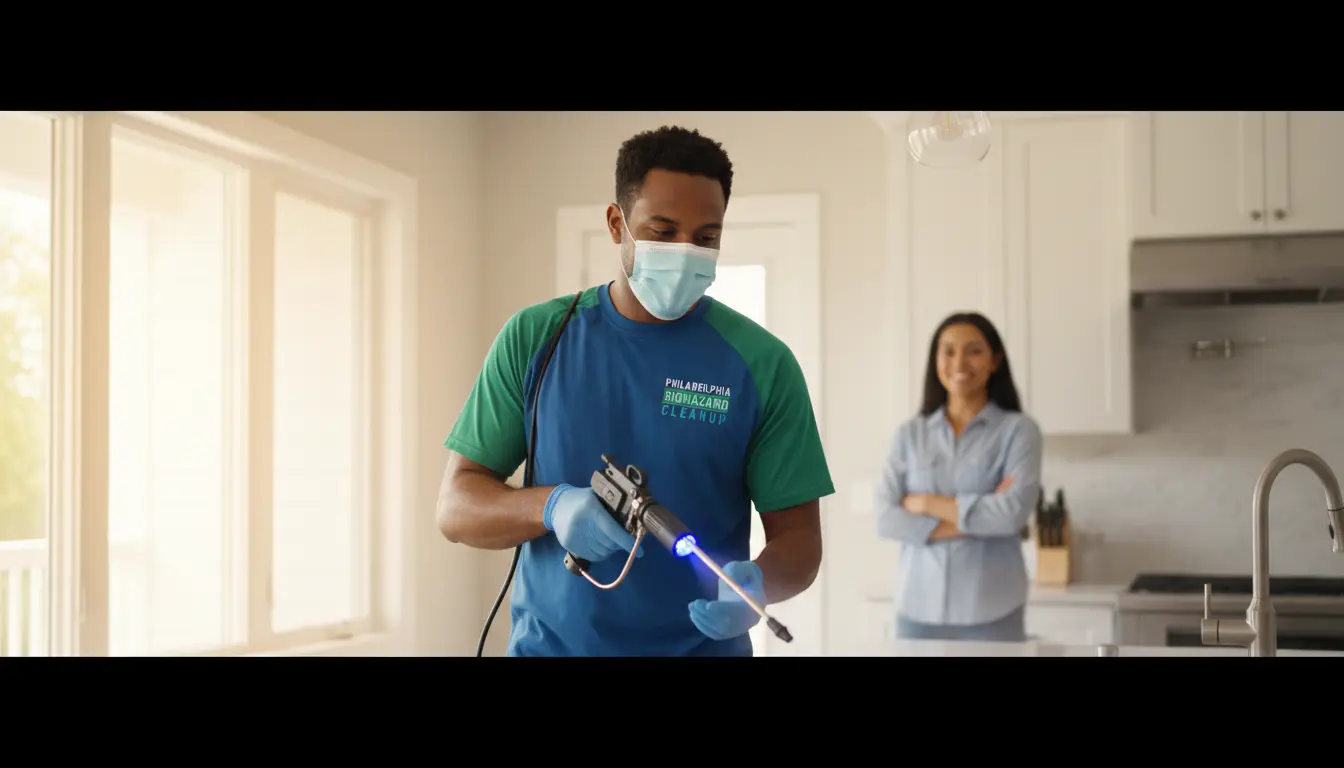
Biohazard remediation refers to the process of safely and effectively cleaning and disinfecting areas contaminated with biological hazards, such as blood, bodily fluids, and other infectious materials. It is often confused with standard cleaning or janitorial services, but it requires specialized training, equipment, and protocols to ensure the removal of pathogens and the prevention of disease transmission. In Philadelphia, PA, where historic rowhomes and tight spaces can exacerbate the risk of biological hazards, professional biohazard remediation is crucial for maintaining public health and safety.
Philadelphia Biohazard Cleanup is a premier service provider in the area, offering certified and experienced technicians who understand the unique challenges of biohazard remediation in urban environments. Our team is equipped with the latest technology and equipment, including HEPA air scrubbers, hydroxyl generators, and heavy-duty personal protective equipment (PPE), to ensure the safe and effective removal of biological hazards.
In the event of an accident or trauma scene, it is essential to prioritize biohazard remediation to prevent the spread of disease and ensure the safety of individuals and the community. Standard cleaning or DIY methods are often insufficient, as they may not address the underlying biological risks and can even spread contamination. By choosing a professional biohazard remediation service like Philadelphia Biohazard Cleanup, property owners can rest assured that their space is thoroughly cleaned, disinfected, and safe for occupancy.
Technical Process
The technical process of biohazard remediation involves a step-by-step approach to ensure the safe and effective removal of biological hazards. Our team begins with a thorough scene assessment to identify the extent of the contamination and develop a customized remediation plan. This plan includes hazard containment and zoning to prevent cross-contamination, gross biological matter removal, and multi-stage disinfection using EPA-registered hospital-grade disinfectants.
We also utilize ATP (adenosine triphosphate) clearance testing to validate the effectiveness of our disinfection protocols and ensure that all surfaces are free from microbial contamination. This process involves using a luminometer to measure the amount of ATP present on a surface, which indicates the presence of microbial life. By achieving ATP clearance, we can confirm that our remediation efforts have been successful and that the area is safe for re-occupancy.
Our team is also trained to navigate the unique challenges of biohazard remediation in Philadelphia’s historic rowhomes, including narrow layouts, ambient humidity, and porous surfaces. We use specialized equipment, such as hydroxyl generators, to address these challenges and ensure that all areas, including sub-flooring and tight spaces, are thoroughly cleaned and disinfected.
Data Comparison Table
When it comes to biohazard remediation, it is essential to choose a professional service that can provide effective and safe removal of biological hazards. The following table compares the features and metrics of professional biohazard remediation vs. standard janitorial/DIY cleaning:
| Feature/Metric | Professional Biohazard Remediation | Standard/DIY Cleaning |
|---|---|---|
| Pathogen Eradication | 99.99% effective | Unknown/Variable |
| Legal Compliance/Liability | Compliant with OSHA and local regulations | Non-compliant/Risk of liability |
| Bio-Waste Disposal | Proper disposal of biohazardous materials | Improper disposal/Risk of contamination |
Source: OSHA Bloodborne Pathogens Standard
Expert Insights
As a certified senior biohazard remediation expert, I can provide the following advanced professional tips for biohazard remediation:
Firstly, it is essential to prioritize proper zoning to prevent cross-contamination. This involves containing the affected area and creating a safe perimeter to prevent the spread of biological hazards. Secondly, ATP testing is crucial for validating the effectiveness of disinfection protocols and ensuring that all surfaces are free from microbial contamination. Finally, it is essential to address sub-flooring and tight spaces, where biological hazards can accumulate and pose a significant risk to health and safety.
Common mistakes property owners make when attempting to clean up biological hazards include using standard household bleach, which can create toxic gases and fail to penetrate porous surfaces, and ignoring sub-flooring and tight spaces, which can lead to lingering odors, structural damage, and severe health risks.
Pricing
The cost of biohazard remediation services can vary depending on several factors, including:
- Containment fees: These fees are associated with the cost of containing the affected area and creating a safe perimeter.
- Hourly technician rates: These rates are associated with the cost of technician labor and can vary depending on the complexity of the remediation process.
- Flat fees: These fees are associated with the cost of remediation services and can vary depending on the severity of the scene.
Other factors that influence the cost of biohazard remediation include the extent of the biological footprint, hazardous medical waste disposal weight/fees, and structural removal needs like tearing up subflooring or drywall.
Safety and Standards
At Philadelphia Biohazard Cleanup, we prioritize safety and standards in all our remediation services. Our team is certified by the American Bio Recovery Association (ABRA) and adheres to OSHA standard 29 CFR 1910.1030, which governs the handling of bloodborne pathogens. We also use EPA-registered hospital-grade disinfectants to ensure the safe and effective removal of biological hazards.
Our commitment to safety and standards is reflected in our use of heavy-duty PPE, including gloves, masks, and eye protection, to prevent exposure to biological hazards. We also prioritize the health and safety of our technicians, who undergo regular training and certification to ensure that they are equipped to handle the unique challenges of biohazard remediation.
FAQ Section
What is the average response time for biohazard remediation services?
The average response time for biohazard remediation services can vary depending on the location and severity of the scene. However, at Philadelphia Biohazard Cleanup, we prioritize rapid response and can typically arrive on scene within 1-2 hours of initial contact.
Are biohazard remediation services covered by insurance?
Yes, many insurance policies cover biohazard remediation services, including homeowners and commercial policies. However, it is essential to review your policy and contact your insurance provider to confirm coverage and determine the extent of coverage.
What safety protocols do you have in place to protect technicians and property owners?
At Philadelphia Biohazard Cleanup, we prioritize safety and have several protocols in place to protect our technicians and property owners. These include the use of heavy-duty PPE, proper containment and zoning, and adherence to OSHA standards and regulations.
Can I attempt to clean up biological hazards myself?
No, it is not recommended to attempt to clean up biological hazards yourself. Biohazard remediation requires specialized training, equipment, and protocols to ensure the safe and effective removal of biological hazards. Attempting to clean up biological hazards yourself can pose significant risks to health and safety and may not address the underlying biological risks.
Professional Biohazard Remediation in Philadelphia, PA
In conclusion, professional biohazard remediation is a critical service that requires specialized training, equipment, and protocols to ensure the safe and effective removal of biological hazards. At Philadelphia Biohazard Cleanup, we are committed to providing high-quality, rapid response services to property owners in Philadelphia, PA. Our team is certified, experienced, and equipped to handle the unique challenges of biohazard remediation in urban environments, and we prioritize safety and standards in all our remediation services.
If you are in need of biohazard remediation services, do not hesitate to contact us. Our team is available 24/7 to provide rapid response and support, and we are committed to restoring a safe, sanitized, and habitable environment for you and your loved ones. For more information on our services, please visit our website or contact us directly.
We also encourage you to learn more about the importance of biohazard remediation and the risks associated with biological hazards. You can find more information on our blog, which features articles and resources on topics such as common biohazards in Pennsylvania homes and trauma scene cleanup in Philadelphia.