Hoarding is more than just clutter—it’s a complex issue that affects thousands in Philadelphia and surrounding areas. Imagine stepping into a home in Fishtown where years of accumulated items have turned a once-cozy space into a potential health hazard. The path to recovery starts with understanding the risks involved in hoarding cleanup. At Philadelphia Biohazard Cleanup, we’ve seen firsthand how improper handling can lead to serious consequences. In this post, we’ll dive into the hidden dangers of hoarding cleanup in Greater Philly, offering insights to help you navigate this challenging process safely.
Whether you’re dealing with a family member’s situation in Northern Liberties or a rental property in Rittenhouse Square, recognizing these dangers is crucial. Professional intervention isn’t just recommended—it’s often necessary to avoid escalating problems. Let’s explore why.
Understanding Hoarding and Its Impact on Philly Homes
Hoarding disorder affects an estimated 2-6% of the population, and in a city like Philadelphia with its historic rowhomes and dense urban living, the implications can be amplified. Hoarding isn’t simply about excess possessions; it often stems from emotional, psychological, or medical factors. In Greater Philly, where space is at a premium, hoarding can quickly overwhelm living areas, leading to unsafe conditions.
The Emotional and Structural Toll
Beyond the visible piles, hoarding creates invisible threats. Emotionally, it strains families and communities, but structurally, it compromises home integrity. In areas like Jenkintown, where older homes are common, heavy accumulations can weaken floors and walls. We’ve assisted clients whose hoarding led to collapsed ceilings, turning a cleanup into a full-scale renovation nightmare.
Local references highlight the issue: Philadelphia’s Department of Licenses and Inspections often intervenes in severe cases, especially in neighborhoods like Camden, where code violations from hoarding are on the rise. Ignoring these signs doesn’t make them disappear—it amplifies the risks.
Hidden Health Hazards in Hoarding Situations
One of the most overlooked aspects of hoarding cleanup is the biohazard potential. What starts as newspapers and clothes can harbor dangerous pathogens over time.
Biohazards and Infectious Risks
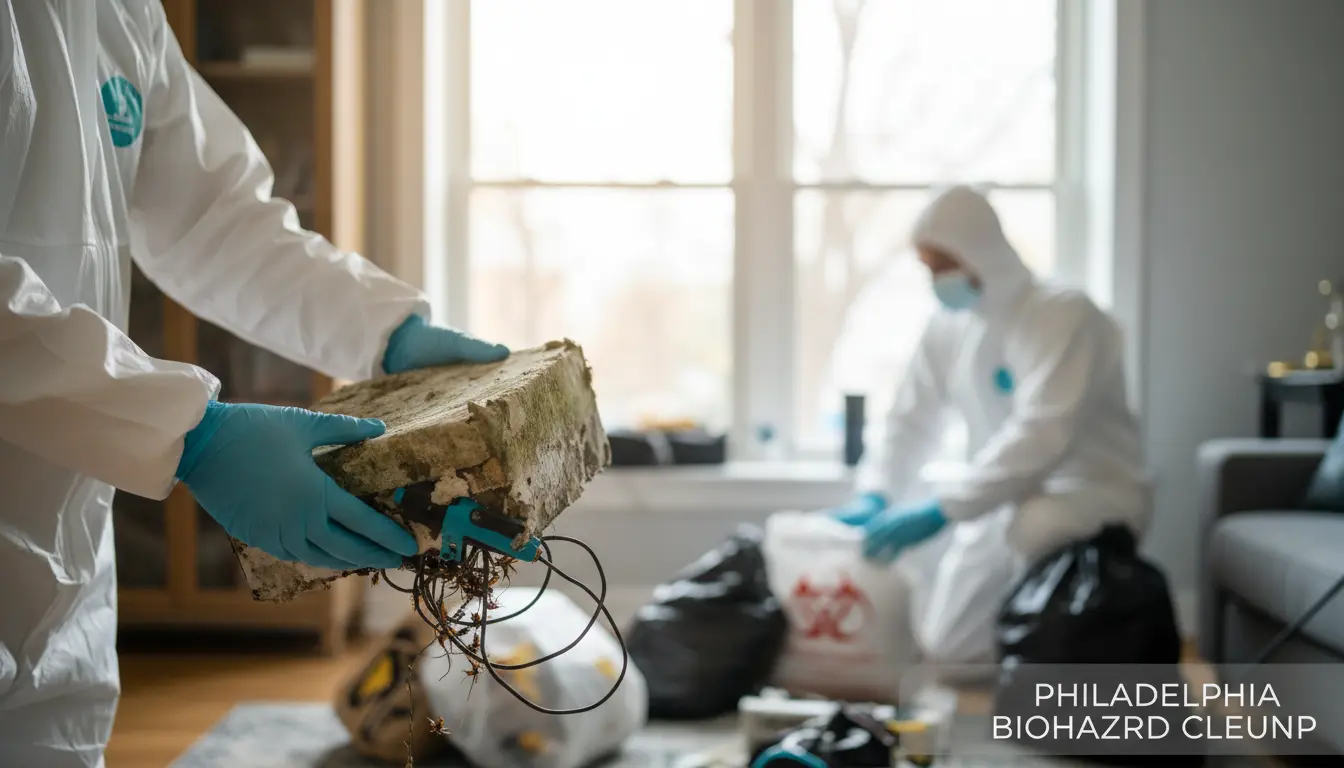
Rodent infestations, mold growth, and human waste are common in hoarded environments. In humid Philly summers, mold thrives in damp, cluttered spaces, releasing spores that can cause respiratory issues. Worse, if there’s been any illness or injury amid the hoard, blood spill cleanup becomes essential to prevent the spread of infectious diseases.
Our team at Philadelphia Biohazard Cleanup has handled cases where untreated biohazards led to hepatitis or bacterial infections. For instance, in a recent Northern Liberties project, we discovered expired medications and medical waste that posed serious infectious disease cleanup challenges.
Structural and Fire Dangers
Clutter isn’t just unsightly—it’s flammable. Philadelphia Fire Department reports show hoarding contributes to a disproportionate number of structure fires in the city. Narrow pathways increase fall risks, and unstable stacks can topple, causing injuries. In Rittenhouse Square apartments, where space is tight, these dangers are even more pronounced.
Why DIY Hoarding Cleanup Can Backfire
Tempted to tackle the hoard yourself? Think again. Without proper training and equipment, you could expose yourself to toxins or spread contaminants further.
Common Mistakes to Avoid
Rushing the process often leads to incomplete removal, leaving behind biohazard waste that requires specialized disposal. In Greater Philly, local regulations mandate proper handling of such materials to prevent environmental harm, especially near the Delaware River.
Another pitfall: Ignoring ventilation. Disturbing dust and debris without HEPA filters can aerosolize harmful particles, worsening air quality in enclosed Philly rowhomes.
Practical Tips for Safe Hoarding Cleanup in Philadelphia
If you’re committed to starting the process, here’s actionable advice tailored to our local context.
Step 1: Assess the Situation Professionally
Begin with a professional evaluation. Contact Philadelphia Biohazard Cleanup at (215) 484-0325 for a free consultation. We’ll identify biohazards and structural issues specific to your area, like flood-prone basements in Fishtown.
Step 2: Prioritize Safety Gear and Protocols
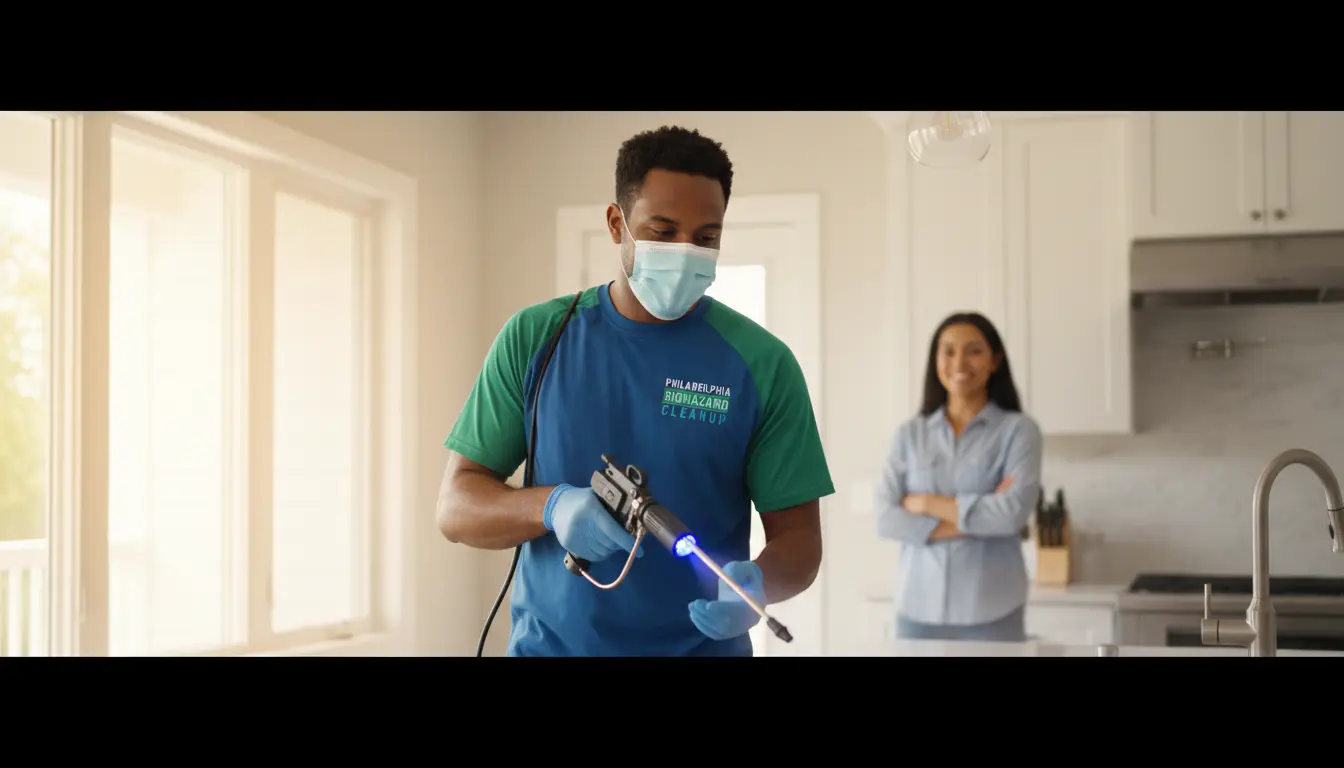
Wear PPE: gloves, masks, and coveralls are non-negotiable. For severe cases, opt for our hoarding cleanup services, which include OSHA-compliant protocols. In Camden, where industrial pollutants add layers of risk, this is especially vital.
Step 3: Sort and Dispose Responsibly
Categorize items: keep, donate, or discard. For hazardous waste, use licensed haulers. Tip: In Philly, recycling programs can help with non-hazardous items, reducing landfill strain in areas like Jenkintown.
Step 4: Address Underlying Causes
Cleanup is temporary without support. Partner with local mental health resources, such as those from the Philadelphia Corporation for Aging, to tackle hoarding at its root.
Restoration After Cleanup
Post-removal, decontaminate thoroughly. Services like trauma scene decontamination ensure surfaces are sanitized, preventing mold regrowth in Philly’s variable climate.
Local Insights: Hoarding Challenges in Greater Philly
Philadelphia’s unique blend of historic architecture and urban density exacerbates hoarding issues. In Fishtown’s converted warehouses, high ceilings hide upper-level accumulations that are hard to access. Meanwhile, in suburban Jenkintown, larger homes allow hoards to grow unchecked until they spill into garages and yards.
Across the river in Camden, economic pressures contribute to higher hoarding rates, often intertwined with eviction risks. Our services extend to these areas, providing compassionate, efficient cleanup that respects local nuances.
FAQ: Common Questions About Hoarding Cleanup
What Are the Signs That Professional Hoarding Cleanup Is Needed?
If clutter blocks exits, causes pest issues, or leads to health complaints, it’s time to call pros. In Philly, persistent odors or neighbor reports often signal the need for intervention.
How Long Does Hoarding Cleanup Take in Greater Philly?
It varies: a small apartment in Rittenhouse Square might take days, while a house in Northern Liberties could require weeks. Factors include hoard volume and biohazard levels.
Is Hoarding Cleanup Covered by Insurance?
Often yes, under property damage or liability policies. Contact your provider, and we’ll assist with claims during our service in areas like Camden.
Can Family Members Handle Hoarding Cleanup Alone?
Not recommended for safety reasons. Emotional ties can complicate decisions, and without expertise, you risk injury or incomplete remediation.
How Much Does Professional Hoarding Cleanup Cost?
Costs depend on scope, starting around $500 for basic jobs. In Greater Philly, we offer transparent quotes—call (215) 484-0325 for details.
Conclusion: Take the First Step Toward a Safer Home
The hidden dangers of hoarding cleanup in Greater Philly—from biohazards to fire risks—underscore the need for expert help. At Philadelphia Biohazard Cleanup, we’re dedicated to restoring safety and dignity to affected homes across Fishtown, Northern Liberties, and beyond. Don’t let these risks linger; reach out today at (215) 484-0325 or visit our hoarding cleanup services page to schedule a consultation. Your path to a cleaner, healthier space starts now.