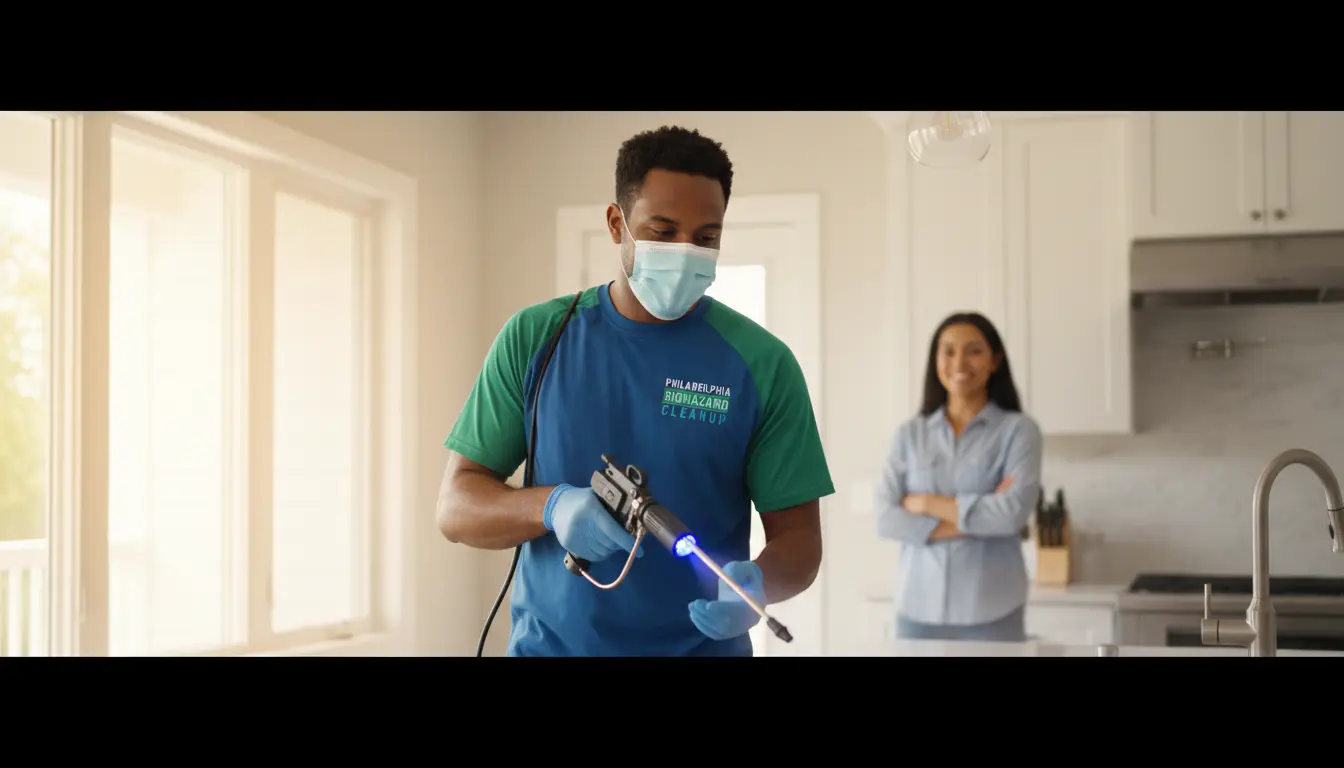
Despite the common misconception that standard cleaning methods can effectively mitigate biological hazards, the truth is that professional biohazard remediation is often the only way to truly restore a safe and sanitary environment in the aftermath of a traumatic event. In urban environments like Philadelphia, where the risk of biological hazards is heightened due to factors such as high population density and aging infrastructure, the need for expert biohazard cleanup services cannot be overstated. Philadelphia Emergency Blood Cleanup Services are a critical component of this process, providing families with the support and expertise they need to navigate the complex and often overwhelming process of biohazard remediation.
In Philadelphia, the prevalence of historic rowhomes with porous original hardwood and tight spaces can exacerbate the risk of biological hazards, as these conditions can facilitate the spread of pathogens and create an environment conducive to the growth of harmful microorganisms. Furthermore, the humid Pennsylvania summers can aggressively accelerate biological decomposition, making it even more critical to address biological hazards in a timely and effective manner. By partnering with a certified and experienced biohazard remediation service provider like Philadelphia Biohazard Cleanup, families can ensure that their homes are restored to a safe and habitable state, free from the risks associated with biological hazards.
The importance of professional biohazard remediation cannot be overstated, as standard cleaning methods are often inadequate for mitigating the risks associated with biological hazards. In fact, using standard household bleach on blood can actually create toxic gases and fail to penetrate porous surfaces, leaving behind a lingering risk of infection and disease. By contrast, professional biohazard remediation services utilize specialized equipment and techniques, such as HEPA air scrubbers and enzymatic digestion, to effectively eradicate pathogens and restore a safe and sanitary environment.
Technical Process
The technical process of biohazard remediation involves a step-by-step approach that begins with scene assessment and hazard containment. This is followed by the removal of gross biological matter, multi-stage disinfection, and ATP clearance testing to validate the effectiveness of the remediation process. In Philadelphia, the unique challenges posed by historic rowhomes and humid summers require a tailored approach to biohazard remediation, taking into account factors such as ambient humidity and the potential for cross-contamination.
Tools such as HEPA air scrubbers and hydroxyl generators play a critical role in the biohazard remediation process, as they enable the effective removal of pathogens and other harmful microorganisms from the environment. The scientific reasoning behind these tools is rooted in the molecular breakdown of pathogens, which requires a comprehensive and multi-faceted approach to eradication. By utilizing these tools in conjunction with specialized techniques and equipment, professional biohazard remediation services can provide a safe and effective solution for families in need.
Data Comparison Table
The following table highlights the key differences between professional biohazard remediation and standard janitorial/DIY cleaning:
| Feature/Metric | Professional Biohazard Remediation | Standard/DIY Cleaning |
|---|---|---|
| Pathogen Eradication | 99.99% effective | Limited efficacy |
| Legal Compliance/Liability | Full compliance with OSHA and ABRA standards | Potential liability risks |
| Bio-Waste Disposal | Proper disposal of biohazardous waste | Improper disposal of biohazardous waste |
Source: OSHA Bloodborne Pathogens Standard
Expert Insights
One of the most critical aspects of biohazard remediation is proper zoning to prevent cross-contamination. This involves isolating the affected area and creating a contained environment that prevents the spread of pathogens to other parts of the home or building. Another key consideration is the necessity of ATP testing for microscopic validation, which provides a quantitative measure of the effectiveness of the remediation process.
In addition to these technical considerations, it is also important to be aware of common mistakes that property owners make when attempting to clean up biological hazards. Using standard household bleach on blood, for example, can create toxic gases and fail to penetrate porous surfaces, leaving behind a lingering risk of infection and disease. Ignoring sub-flooring where fluids have seeped can also lead to structural damage and severe health risks, as the affected area can provide a conduit for the growth of harmful microorganisms.
Pricing
The cost of biohazard remediation services can vary widely depending on a number of factors, including the extent of the biological footprint, hazardous medical waste disposal weight/fees, and structural removal needs like tearing up subflooring or drywall. Containment fees, hourly technician rates, and flat fees based on the severity of the scene are all potential pricing structures that may be employed.
Some of the key factors that influence the cost of biohazard remediation include the size and complexity of the affected area, the type and quantity of biological materials present, and the need for specialized equipment or techniques. In Philadelphia, the unique challenges posed by historic rowhomes and humid summers can also impact the cost of biohazard remediation, as these conditions may require a more comprehensive and tailored approach to remediation.
Safety & Standards
When it comes to biohazard remediation, safety and standards are of the utmost importance. This is why it is critical to partner with a certified and experienced service provider like Philadelphia Biohazard Cleanup, which adheres to the highest standards of safety and quality. From OSHA standard 29 CFR 1910.1030 to the use of EPA-registered hospital-grade disinfectants, our team is committed to providing a safe and effective solution for families in need.
The importance of certifications like ABRA cannot be overstated, as they provide a measure of assurance that the service provider has the necessary training and expertise to effectively mitigate biological hazards. By prioritizing safety and standards, families can trust that their homes are being restored to a safe and habitable state, free from the risks associated with biological hazards.
FAQ Section
What is the typical response time for biohazard remediation services in Philadelphia?
The typical response time for biohazard remediation services in Philadelphia can vary depending on the severity of the scene and the availability of resources. However, at Philadelphia Biohazard Cleanup, we prioritize rapid response and strive to arrive on scene within a matter of hours. This enables us to quickly contain the affected area and prevent the spread of pathogens, minimizing the risk of infection and disease.
Are biohazard remediation services covered by insurance?
Biohazard remediation services may be covered by insurance, depending on the specific policy and the circumstances of the incident. At Philadelphia Biohazard Cleanup, we work closely with insurance providers to ensure that our services are covered and that families are not left with unexpected expenses. We also offer competitive pricing and flexible payment options to help make our services more accessible.
What safety protocols are in place to protect technicians and occupants during the remediation process?
The safety of our technicians and the occupants of the affected home or building is our top priority. To ensure their protection, we utilize a range of safety protocols, including the use of personal protective equipment (PPE), containment and zoning to prevent cross-contamination, and regular testing and validation to ensure the effectiveness of the remediation process. We also adhere to the highest standards of safety and quality, as outlined by OSHA and ABRA.
How long does the biohazard remediation process typically take?
The length of the biohazard remediation process can vary widely depending on the severity of the scene and the complexity of the affected area. In some cases, the process may be completed within a matter of hours, while in other cases it may take several days or even weeks. At Philadelphia Biohazard Cleanup, we prioritize efficient and effective remediation, working closely with families to ensure that their homes are restored to a safe and habitable state as quickly as possible.
Professional Biohazard Remediation in Philadelphia, PA
In conclusion, the importance of professional biohazard remediation in Philadelphia, PA cannot be overstated. By partnering with a certified and experienced service provider like Philadelphia Biohazard Cleanup, families can trust that their homes are being restored to a safe and habitable state, free from the risks associated with biological hazards. From the initial scene assessment to the final validation and testing, our team is committed to providing a comprehensive and effective solution for biohazard remediation, utilizing the latest techniques and equipment to ensure a safe and sanitary environment.
For more information on our Blood Spill Cleanup services, please visit our website. We also offer Quick Biohazard Cleanup Services For Philadelphia Businesses and Emergency Biohazard Response Philly Area Tips. Additionally, you can learn more about the 5 Signs You Need Biohazard Cleanup In Philadelphia and our Services including Trauma Scene Decontamination and Hoarding Cleanup Services.