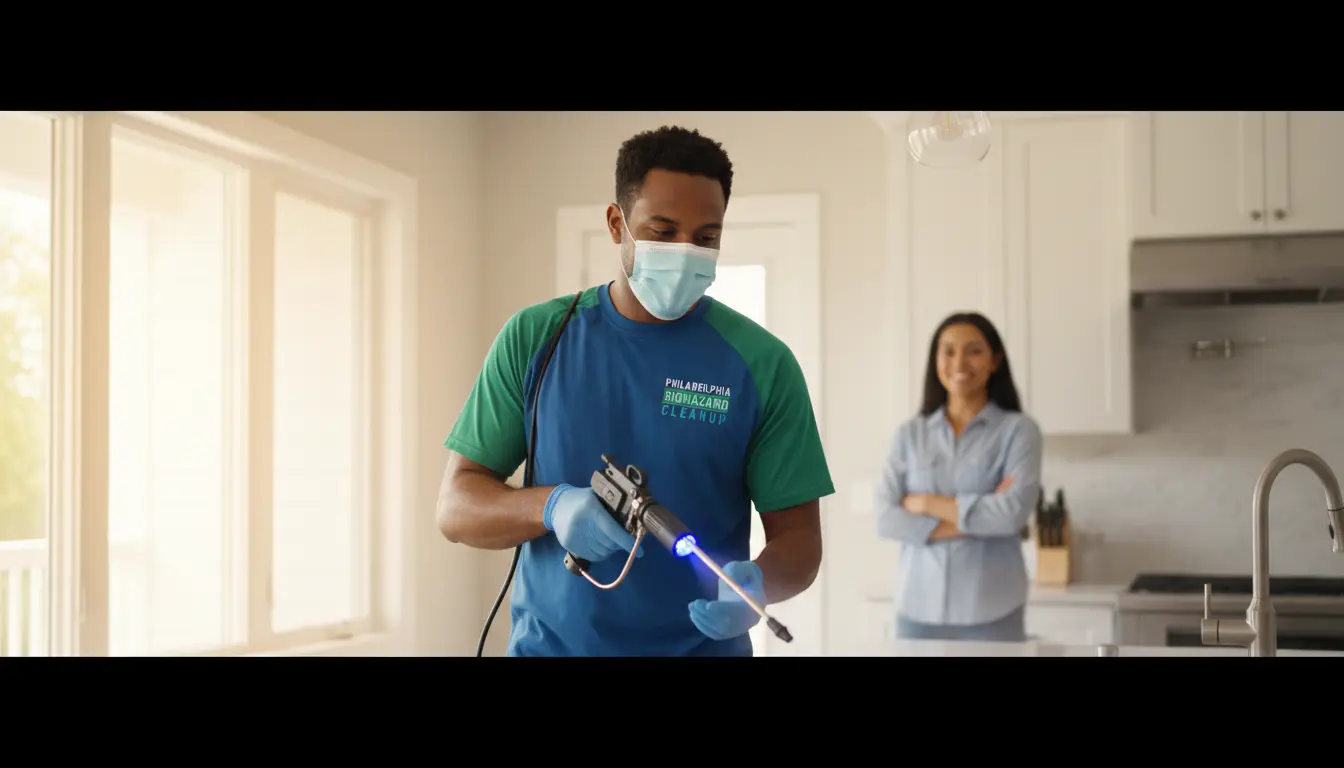
Biohazard remediation refers to the process of removing and disposing of biological hazards, such as blood, bodily fluids, and other potentially infectious materials, from a given area or environment. This process is critical in preventing the spread of diseases and ensuring the safety of individuals who may be exposed to these hazards. However, biohazard remediation is often confused with hazardous waste removal, which involves the disposal of non-biological hazardous materials, such as chemicals and pesticides. In Philadelphia, PA, where the risk of biological hazards is heightened due to the city’s dense population and aging infrastructure, it is essential to understand the difference between these two processes and the importance of professional biohazard remediation.
The city’s humid summers and historic rowhomes with porous original hardwood and tight spaces create an environment conducive to the rapid growth of bacteria, mold, and other microorganisms, making biohazard remediation a pressing concern. Philadelphia Biohazard Cleanup, a premier service provider in the area, emphasizes the need for certified, professional biohazard remediation to mitigate biological risks and ensure compliance with local and state regulations regarding biomedical waste transport.
Standard cleaning methods are insufficient in addressing biological hazards, as they may not effectively remove all pathogens and may even spread contamination. Professional biohazard remediation, on the other hand, involves a meticulous process of scene assessment, hazard containment, gross biological matter removal, multi-stage disinfection, and ATP clearance testing to ensure that the area is safe and sanitized.
Technical Process of Biohazard Remediation
The technical process of biohazard remediation involves several critical steps. First, a thorough scene assessment is conducted to identify the extent of the biological hazard and determine the necessary containment and removal procedures. This is followed by the establishment of a containment zone to prevent cross-contamination and the removal of gross biological matter using specialized equipment and personal protective gear.
Next, a multi-stage disinfection process is implemented, utilizing EPA-registered hospital-grade disinfectants and HEPA air scrubbers to eradicate pathogens and prevent aerosolized contamination. The process concludes with ATP clearance testing to validate the effectiveness of the remediation efforts. Throughout the process, technicians must navigate challenging environments, such as narrow rowhome layouts and ambient humidity, which can affect decomposition and dictate containment methods.
For example, in the case of a traumatic event, the remediation process may involve the removal of blood and bodily fluids from carpeting, flooring, and other surfaces, as well as the disinfection of all affected areas. This requires specialized training and equipment, as well as a thorough understanding of the risks associated with biological hazards. By understanding the technical process of biohazard remediation, property owners and managers can better appreciate the importance of hiring a certified and experienced remediation service.
Data Comparison Table
To illustrate the differences between professional biohazard remediation and standard cleaning, consider the following comparison:
| Feature/Metric | Professional Biohazard Remediation | Standard/DIY Cleaning |
|---|---|---|
| Pathogen Eradication | 99.99% effective | Variable, often ineffective |
| Legal Compliance/Liability | Compliant with OSHA and EPA regulations | May not meet regulatory requirements |
| Bio-Waste Disposal | Proper disposal of biohazardous materials | Often disposed of improperly |
Source: OSHA Bloodborne Pathogens Standard
Expert Insights
As a certified senior biohazard remediation expert, it is essential to emphasize the importance of proper zoning to prevent cross-contamination, the necessity of ATP testing for microscopic validation, and the use of HEPA air scrubbers to prevent aerosolized contamination. Common mistakes property owners make include using standard household bleach on blood, which can create toxic gases and fail to penetrate porous surfaces, and ignoring sub-flooring where fluids have seeped, leading to lingering odors and structural damage.
For instance, in the case of a hoarding situation, it is crucial to address the underlying issues contributing to the hoarding behavior, rather than simply removing the accumulated debris. This may involve working with mental health professionals and social services to provide support and resources to the individual. By taking a comprehensive approach to biohazard remediation, property owners and managers can ensure a safe and healthy environment for occupants.
Pricing
The cost of biohazard remediation services can vary depending on several factors, including the extent of the biological footprint, hazardous medical waste disposal weight/fees, and structural removal needs. Containment fees, hourly technician rates, and flat fees based on the severity of the scene are common pricing structures. It is essential to work with a reputable and transparent service provider to ensure that all costs are clearly communicated and justified.
- Containment fees: $500-$2,000
- Hourly technician rates: $100-$300 per hour
- Flat fees: $1,000-$5,000 depending on the severity of the scene
Safety and Standards
Philadelphia Biohazard Cleanup adheres to the highest safety standards, including those set by OSHA and the EPA. Our technicians are certified by the American Bio Recovery Association (ABRA) and trained in the use of EPA-registered hospital-grade disinfectants and HEPA air scrubbers. We prioritize the health and safety of our clients and technicians, ensuring that all remediation efforts are conducted with the utmost care and attention to detail.
For example, our technicians are trained to use personal protective equipment (PPE) and follow strict protocols for containment and removal of biological hazards. We also conduct regular training and drills to ensure that our team is prepared to respond to any situation. By prioritizing safety and standards, we can ensure a safe and healthy environment for our clients and the community.
FAQ Section
What is the response time for biohazard remediation services?
Our response time for biohazard remediation services is typically within 2-4 hours, depending on the location and severity of the situation. We understand the importance of prompt response in preventing the spread of diseases and minimizing the risk of further contamination.
Are biohazard remediation services covered by insurance?
In many cases, biohazard remediation services are covered by insurance, including homeowners and commercial policies. However, it is essential to review your policy and consult with your insurance provider to determine the extent of coverage.
What safety protocols are in place to protect technicians and occupants?
We prioritize the health and safety of our technicians and occupants, ensuring that all remediation efforts are conducted with the utmost care and attention to detail. Our technicians are trained in the use of personal protective equipment (PPE) and follow strict protocols for containment and removal of biological hazards.
Can I clean up a biohazard situation myself?
No, it is not recommended to clean up a biohazard situation yourself. Biohazard remediation requires specialized training, equipment, and expertise to ensure that all pathogens are effectively removed and the area is safe and sanitized. Improper cleanup can lead to further contamination, health risks, and legal liabilities.
Conclusion
In conclusion, biohazard remediation is a critical process that requires specialized training, equipment, and expertise. By understanding the differences between biohazard remediation and hazardous waste removal, property owners and managers can ensure a safe and healthy environment for occupants. Philadelphia Biohazard Cleanup is a premier service provider in Philadelphia, PA, offering certified, professional biohazard remediation services that prioritize safety, standards, and customer satisfaction. If you are in need of biohazard remediation services, please contact us at (215) 484-0325 or visit our website at Philadelphiabiohazardcleanup.Com to learn more about our services and schedule an appointment.
We also provide other services such as Biohazard Waste Removal, How To Safely Handle Medical Waste Cleanup In Pa, and Medical Waste Disposal. You can also check our Blog for more information on biohazard remediation and other related topics.
We serve the following areas: Fishtown, Manayunk, Northern Liberties, Rittenhouse Square, South Philadelphia, Cherry Hill, Camden, Bryn Mawr, Ardmore, Havertown, and Upper Darby.